
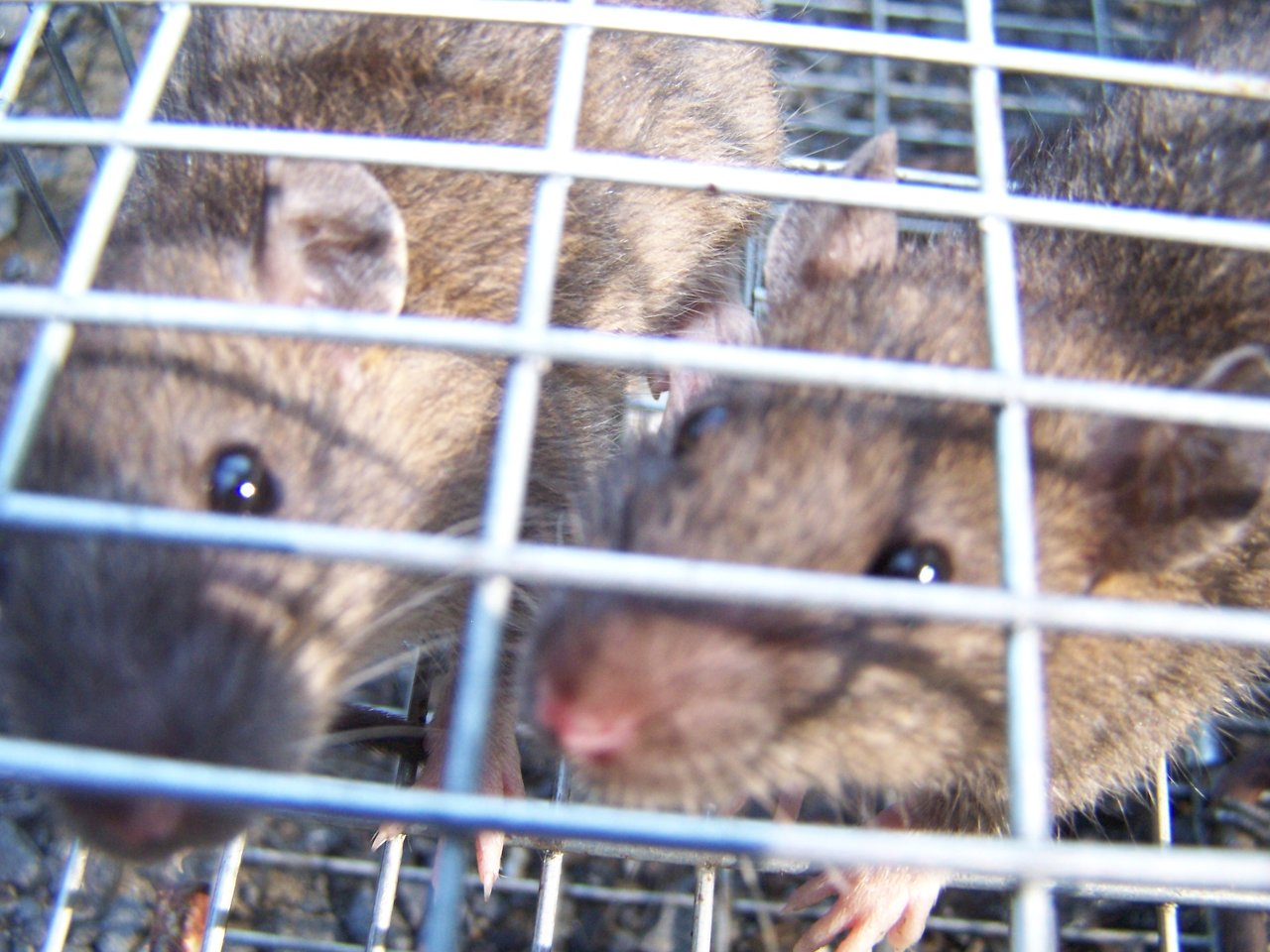
If you’re hearing strange noises in your attic, walls, or ceiling, your first thought might be mice. That makes sense — mice are one of the most common nuisance animals homeowners deal with in Connecticut. But not every sound in the house means mice.
In many cases, the noises people hear are actually bats.
One of the biggest clues is this: mice are usually silent most of the time, while bats can be much more vocal. If you’re hearing squeaking, chirping, or fluttering sounds, especially around dusk or dawn, bats may be the real problem.
At Housatonic Valley Wildlife Control, we help homeowners in Litchfield County identify and remove nuisance animals the right way. In the winter months, we do a lot of mouse trapping, but when attic noises happen during the warmer months, bats are often the animal people are actually dealing with.
Need help with attic noises?
If you’re hearing squeaking, scratching, or fluttering sounds in your home, call 860-318-1778 for professional wildlife help.
Why People Mistake Bats for Mice
When homeowners hear sounds overhead, mice are often the first thing they think of. That’s because mice are common in houses, especially in cooler months when they move indoors looking for warmth and food.
But mice usually do not make much noise unless they are moving through walls, chewing, or nesting. Bats, on the other hand, are often more noticeable because they are vocal and active in a different way.
You may hear:
- squeaking
- chirping
- fluttering
- scratching near the roofline
- movement at dusk or early morning
That sound pattern is often a better clue for bats than mice.
Signs It Might Be Bats, Not Mice
Here are a few common signs that point more toward bats:
1. Noises at sunset or sunrise
Bats are most active around dusk and dawn. If the noises happen around those times, that’s a strong clue.
2. Chirping or squeaking
Mice can make noise, but bats are typically more vocal.
3. Guano in the attic
Bat droppings, called guano, are often found in attic spaces, along beams, or beneath entry points.
4. Strong odor
A bat colony can create a musty or ammonia-like smell from urine and waste buildup.
5. Small entry points near the roofline
Bats can get into homes through tiny openings along:
- roof edges
- soffits
- gable vents
- fascia gaps
- flashing seams
- dormers
When It Actually Is Mice
Mice are still a very common problem, especially in the colder months. If the issue is happening in winter and you’re seeing signs like droppings, gnaw marks, or food contamination, mice may be the culprit.
In those cases, the right solution is usually:
- trapping
- sealing entry points
- removing attractants
- monitoring for continued activity
That’s why identifying the animal correctly matters so much. Mice and bats require very different approaches.
Why Bat Problems Need the Right Solution
Bats cannot be handled like ordinary rodents. They are protected wildlife in Connecticut, and removal must be done using proper humane exclusion methods.
That means:
- no poisons
- no quick fixes
- no sealing openings before the colony exits
- no guesswork
If bats are present, the structure has to be inspected carefully and sealed the right way so the animals can leave safely and stay out.
Learn more about our bat removal in Litchfield County.
Why Winter Mouse Trapping Matters Too
Even though this post focuses on bats, mice are still a real seasonal issue in homes across Litchfield County.
During the winter months, mice often move indoors looking for:
- warmth
- nesting space
- food
- water
That’s why mouse trapping is one of the most common services during the colder part of the year. If you have actual rodent activity in the winter, trapping and exclusion are the right path.
But if the noises sound more like squeaking or fluttering, especially in warmer weather, don’t assume mice right away. It might be bats instead.
What To Do If You Hear Noises in the Attic
If you think something is in your attic or walls:
- Listen for when the noise happens
- Look for droppings or entry points
- Check whether the sounds are scratching, squeaking, or fluttering
- Don’t seal openings blindly
- Call a professional for identification
Getting the animal right the first time saves time, money, and a lot of frustration.
Final Thoughts
If you’ve been hearing noises in your home and assuming mice, it may be worth taking a second look. Mice are often quiet, while bats are much more vocal. That difference can help point you in the right direction.
If you need help identifying the problem or want humane bat removal in Litchfield County, Housatonic Valley Wildlife Control is here to help.
Call or Text: 860-318-1778s
