
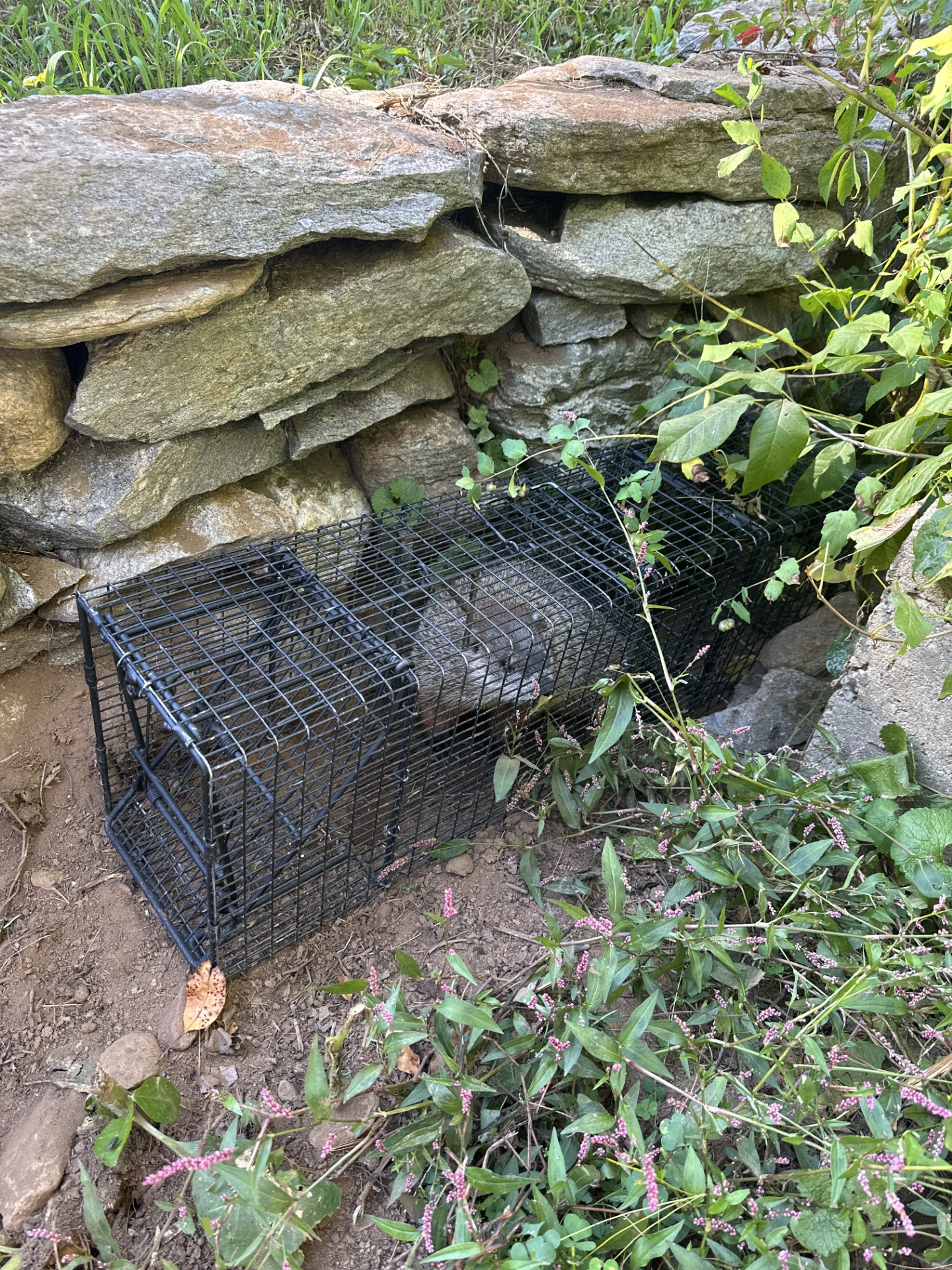
Salisbury, with its mix of historic homes, lakefront properties, wooded hills, and rural estates, sees steady wildlife activity — including bats in attics, skunks under decks, raccoons in chimneys, squirrels in soffits, woodchucks burrowing near foundations, snakes around stone walls and basements, and opossums under sheds and porches.
Wildlife issues are common throughout Salisbury, especially in homes near wooded areas, lakefront properties, and seasonal residences with limited year-round activity.
Work in Salisbury often involves high-end homes, older structures, and properties with multiple access points such as rooflines, chimneys, crawlspaces, and detached buildings—conditions that allow wildlife to enter and remain undetected for extended periods if not properly addressed.
In one situation, a homeowner returning to a seasonal property noticed odor and staining near the upper levels of the home. What initially appeared minor turned out to be a bat colony that had been active in the attic for an extended period. Situations like this are common in Salisbury, especially in homes that are not occupied year-round.
Wildlife Activity in Salisbury – What Makes It Different
- Lakefront properties and wooded hills — ideal wildlife habitat
- Seasonal and second homes — problems go unnoticed longer
- Historic and high-end construction — hidden entry points
- Low-density development — allows long-term activity
- Detached structures and outbuildings — increased access opportunities
Important: Most repeat wildlife problems happen when entry points are not fully sealed or durable materials aren’t used.
Common Wildlife Entry Problems in Salisbury Homes
- Roofline and soffit gaps allowing attic access
- Chimney entry points used by raccoons
- Burrowing under decks, porches, and foundations
- Hidden openings in complex or older structures
- Rodent activity attracting predators
These issues are especially common in seasonal and lake-area properties.
Bat Removal in Salisbury, CT
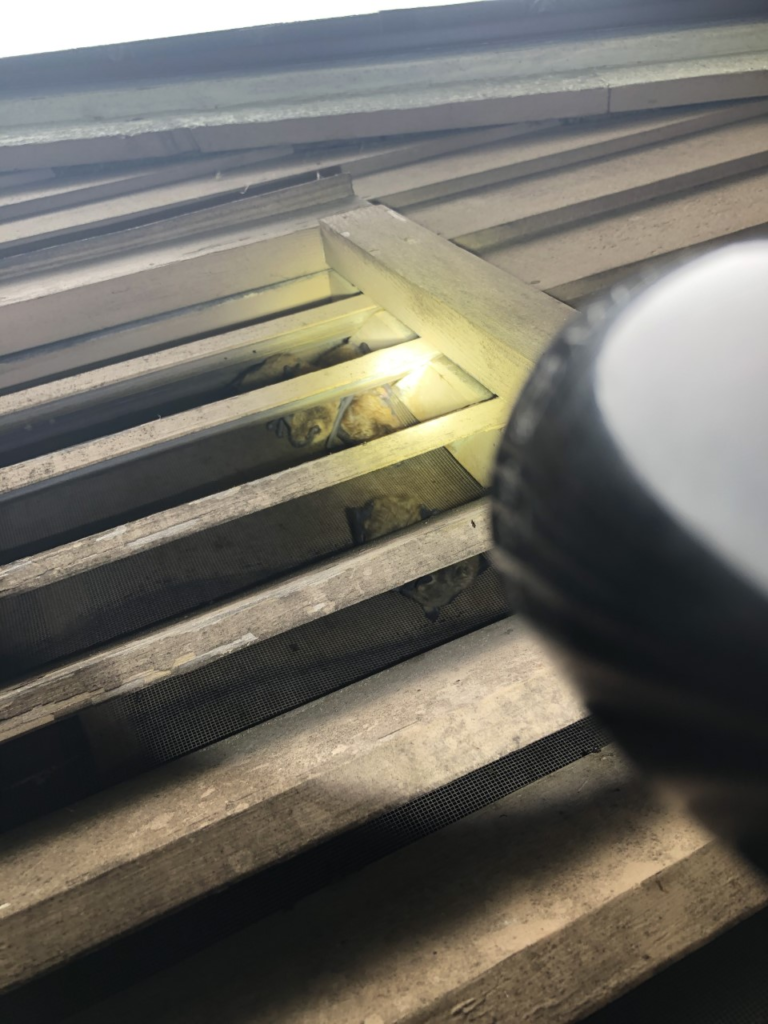
Bats are very common in Salisbury, especially in older homes, barns, and wooded areas.
Most bat problems occur along ridge vents, soffits, and roofline gaps.
Colonies will return unless full exclusion is completed.
Learn more about bat removal in Litchfield County.
- Inspection for colonies and entry points
- Seasonal exclusion using one-way devices
- Guano cleanup (as needed)
- Full structure sealing and prevention
All work follows Connecticut DEEP regulations.
Skunk Removal in Salisbury, CT
Skunks are a frequent issue in Salisbury, especially around properties with decks, sheds, outbuildings, and crawlspaces that provide protected denning areas. These spaces offer shelter from predators and human activity, making them ideal locations for skunks to establish long-term dens.
Quiet residential properties, wooded land, and rural areas throughout Salisbury create perfect conditions for skunk activity. Skunks are most active at night and often go unnoticed until strong odor builds up or visible damage begins to appear around the structure.
During spring, female skunks commonly burrow under structures to raise their young. This is when problems become more noticeable — with increased activity, digging, and a much higher risk of odor issues if the animals are disturbed.
On a recent job in Salisbury, baby skunks were found under an outbuilding where a female had established a den. Entry was through a small gap along the base of the structure, which had gone unnoticed. Situations like this require careful handling, as disturbing the area too early can lead to defensive spraying or separation of the young from the mother.
Skunk problems in Salisbury rarely resolve on their own. Once a den is established, the activity will continue until the animals are properly removed and the area is sealed to prevent future use.
Common Skunk Problems in Salisbury, CT
- Strong odor building around sheds, decks, and outbuildings
- Burrowed entry holes along foundations and structure edges
- Lawn and garden damage from digging for grubs and insects
- Increased risk of spraying when skunks feel threatened
- Denning activity with young during spring and early summer
Once a den is established, skunks will continue using the same location and often return year after year if the area isn’t properly secured.
Skunk Removal & Exclusion in Salisbury
- Inspection to locate active burrows, den sites, and hidden entry points
- Humane trapping in accordance with Connecticut regulations (no relocation)
- Careful handling of den sites, especially when young are present
- Sealing and reinforcement of entry points to prevent re-entry
- Recommendations to eliminate attractants and reduce future activity
Skunk problems don’t resolve on their own. If the den is not properly removed and secured, another skunk will move right back into the same location — especially in quiet areas like Salisbury where suitable den sites are common.
For a complete breakdown of skunk trapping and long-term prevention, visit our skunk removal and exclusion in Litchfield County, CT.
Squirrel Removal in Salisbury, CT
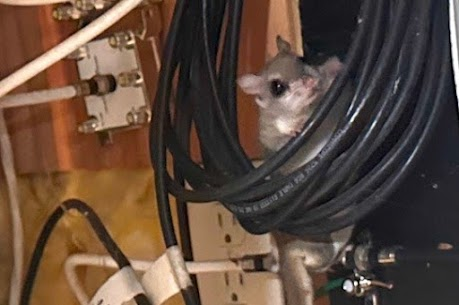
Squirrels are common in Salisbury and frequently enter attics by using nearby tree coverage to access rooflines. Overhanging branches make it easy for squirrels to reach soffits, vents, and other vulnerable entry points.
Most infestations occur when existing entry points are not fully sealed. Once inside, squirrels create nesting areas, damage insulation, and will continue to return if the structure is not properly secured.
Squirrel Removal & Prevention
- Inspection to locate entry points and nesting areas
- Eviction using one-way doors or trapping when necessary
- Sealing of entry points using durable materials
- Prevention measures to reduce future access
While squirrels are a common attic issue, many rodent problems in Salisbury occur at ground level. Woodchucks, which are one of the largest rodents in the area, often cause more serious structural damage by burrowing under foundations, sheds, and stone walls.
Beavers — another large rodent species — can also create significant property issues in Salisbury by altering water flow and causing flooding in low-lying areas.
For more severe rodent-related problems, especially those involving burrowing and structural impact, visit our woodchuck removal in Litchfield County CT page.
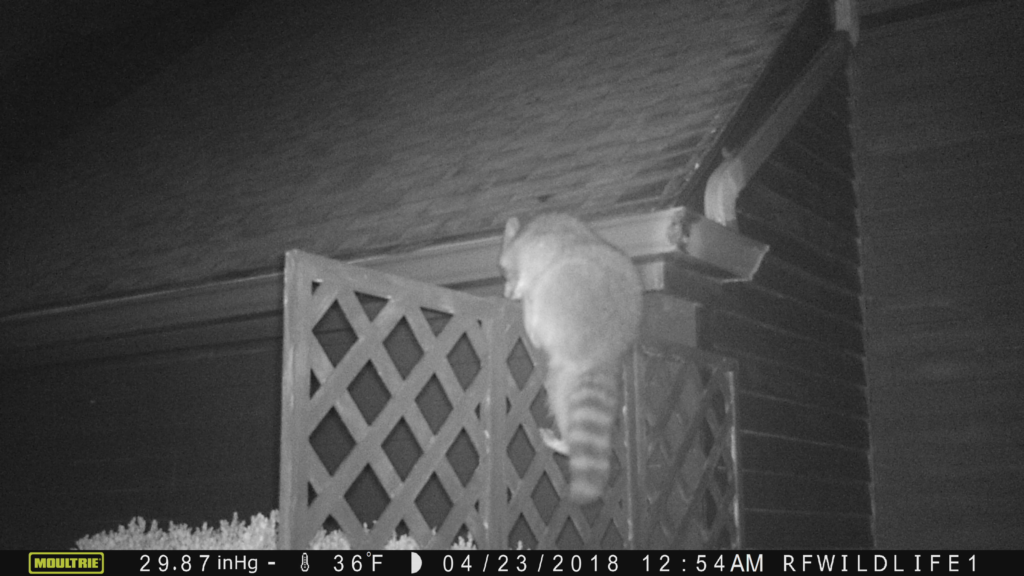
Raccoon Removal in Salisbury, CT
Raccoons are common in Salisbury, especially around wooded properties, older homes, and structures with complex rooflines. They frequently enter homes by tearing into weak points along the roofline or using open chimneys as den sites.
Most break-ins occur along soffits, roof edges, ridge vents, and attic access points. Once inside, raccoons establish nesting areas, damage insulation, and often return to the same location if entry points are not properly sealed.
For a complete breakdown of removal and exclusion methods, visit our raccoon removal in Litchfield County page.
Raccoon Removal & Exclusion in Salisbury
- Inspection to locate den sites, entry points, and structural damage
- Humane trapping and removal in accordance with Connecticut regulations
- Chimney and attic eviction when raccoons are nesting inside
- Damage repair and sealing of all entry points
- Prevention measures to stop future infestations
Raccoons will continue to return to the same structure if entry points are not properly sealed. Proper removal and full exclusion is the only way to prevent repeat problems.
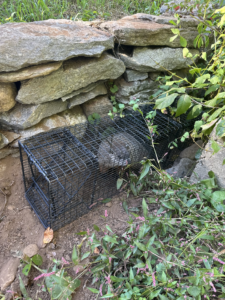
Woodchuck Removal in Salisbury, CT
Woodchucks are common in Salisbury, especially around foundations, gardens, open land, and historic stone walls. These walls provide ideal cover, and once a woodchuck begins digging beneath them, the damage can spread quickly and become difficult to control.
Woodchuck burrows in Salisbury often extend deep under stone walls and structures, making them harder to locate and fully eliminate without proper inspection.
They create extensive burrow systems with multiple entrances, often running directly under walls, patios, sheds, and foundations. On older properties and historic structures, this can lead to shifting stones, collapsing sections, and long-term structural instability.
Woodchuck activity in Salisbury is especially common on properties with stone walls and open land, where digging conditions are ideal and cover is already established.
Common Signs of Woodchuck Activity in Salisbury, CT
- Large burrow openings near foundations, sheds, or stone walls
- Mounds of fresh dirt pushed out from tunnel systems
- Damage along stone walls where digging has started underneath
- Visible woodchuck activity during daytime hours around the property
- Garden and plant damage from feeding activity
- Multiple hidden entrances indicating an established burrow system
Woodchucks are active during the day, and early signs are often visible if you know what to look for. In Salisbury, activity is commonly found around stone walls, open land, and structures where digging conditions are ideal.
Identifying the problem early helps prevent larger structural damage and makes removal more straightforward.
Woodchuck Damage to Stone Walls & Foundations
- Undermining of historic rock walls and dry-stacked stone structures
- Voids forming beneath foundations, steps, and patios
- Collapse or shifting of stones due to tunneling
- Multiple hidden entrances expanding the damaged area
- Repeat activity if burrows are not fully addressed
On a recent job in Salisbury, a woodchuck was removed after damaging a historic rock wall. The burrow system had begun undermining the base of the structure, creating instability that would have worsened over time if left untreated.
Woodchuck Removal & Burrow Repair in Salisbury
- Full inspection of burrow systems and structural impact areas
- Targeted humane trapping near active entrances and travel routes
- Safe removal in accordance with Connecticut regulations
- Collapse and reinforcement of burrow systems to prevent reuse
- Recommendations to protect foundations, walls, and surrounding areas
Woodchuck problems do not stop on their own. If the burrow system is not properly collapsed and secured, new animals will move in and reuse the same areas — especially around stone walls and older structures where cover already exists.
For a complete breakdown of trapping and long-term prevention, visit our woodchuck removal in Litchfield County CT page.
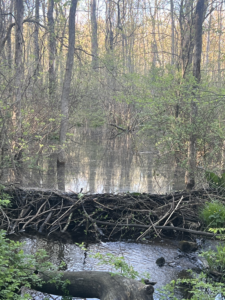
Beaver Trapping in Salisbury, CT
Beavers are active in Salisbury, especially near streams, wetlands, and low-lying wooded areas where steady water allows dam building and rapid flooding.
Beaver activity can quickly turn into major property damage. In one case in Salisbury, a beaver dam flooded over 5 acres of land, backing water far beyond the original stream and impacting the entire area. Situations like this often develop slowly, then reach a point where the damage becomes impossible to ignore.
Common Beaver Problems in Salisbury
- Large areas of standing water and flooding
- Blocked culverts and drainage systems
- Tree loss along ponds, streams, and wooded edges
- Expanding dams that continue raising water levels
Once established, beavers will continue building and maintaining dams, increasing water levels and extending the flooded area over time.
Beaver Trapping & Removal
- Inspection of active areas, dams, and travel routes
- Identification of runs, slides, and key activity points
- Strategic trap placement based on water flow and site conditions
- Removal in accordance with Connecticut regulations
- Recommendations to stabilize the area and reduce repeat activity
Proper setup is critical—incorrect trapping attempts often fail or only temporarily reduce activity. Breaking a dam alone will not solve the problem. Beavers will rebuild quickly, and in many cases, water levels can return just as fast if the colony is not fully addressed.
Learn more about beaver removal in Litchfield County.
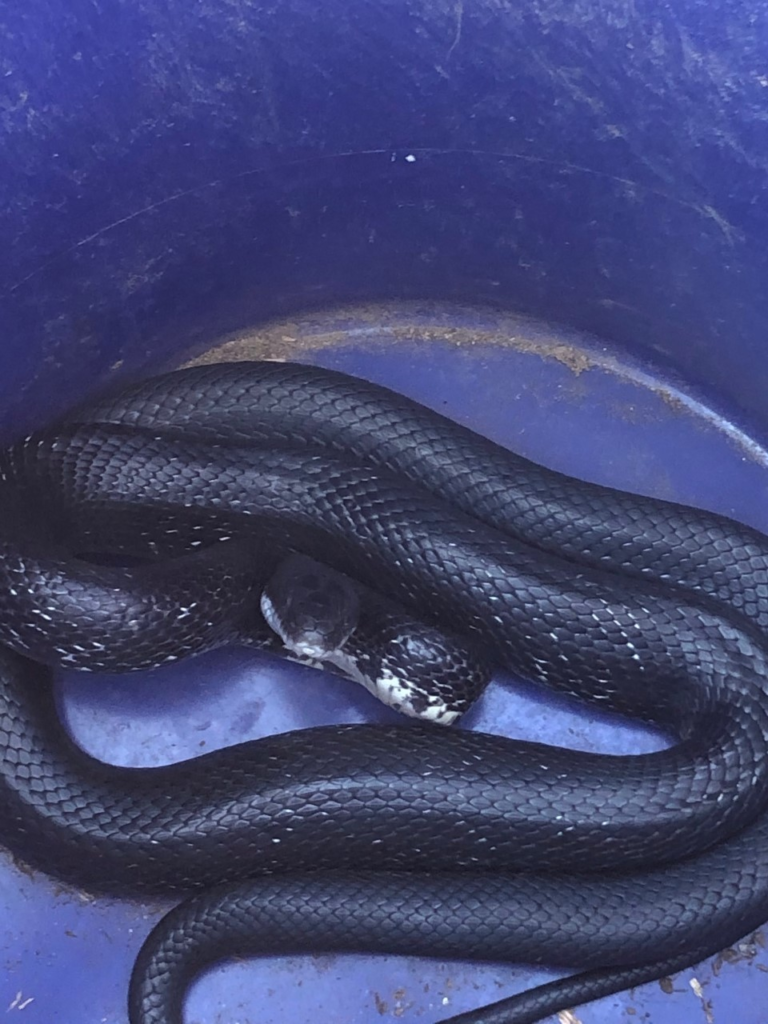
Snake Removal in Salisbury, CT
Snakes are commonly found around stone walls, basements, and wooded areas.
Snake activity is often tied to rodent presence and structural gaps.
- Inspection to locate access points
- Safe removal when necessary
- Sealing of gaps and openings
- Habitat reduction recommendations
Opossum Removal in Salisbury, CT
Opossums often shelter under decks, sheds, and crawlspaces.
Most problems occur in low-access areas around structures.
- Inspection of den areas
- Humane trapping
- Exclusion and sealing
- Prevention of return activity
Local Emergency & Health Contacts in Salisbury
If you have an animal bite or possible rabies exposure, contact your local health department or 911 immediately.
- Sharon Health Department (serves Salisbury) – (860) 364-0884
- Connecticut DPH Rabies Program – (860) 509-7994
Important: If a bat is found in a room where someone was sleeping or contact may have occurred, it should be captured and tested — do not release it.
Call or text Housatonic Valley Wildlife Control at 860-318-1778 for wildlife removal in Salisbury.
Wildlife Removal Near Salisbury, CT
- Bat Removal North Canaan
- Raccoon Removal Canaan
- Wildlife Removal Norfolk
- Skunk Removal Cornwall
- Bat Removal Sharon
Wildlife Problems in Salisbury, CT – Questions & Answers
What wildlife problems are most common in Salisbury, CT?
Salisbury properties commonly deal with woodchucks, skunks, raccoons, bats, and beavers. Woodchucks cause structural damage by burrowing under stone walls and foundations, beavers create flooding issues by blocking water flow, skunks den under structures, raccoons enter attics and chimneys, and bats commonly use roofline gaps and attic spaces.
What animal causes the most damage to property?
Woodchucks and beavers typically cause the most serious property damage in Salisbury. Woodchucks undermine stone walls, patios, sheds, and foundations, while beavers can flood large areas by building dams that block drainage systems.
Why do animals keep coming back to the same spot?
Wildlife returns when entry points, burrows, or den sites are not fully addressed. Woodchucks reuse burrow systems, skunks return to sheltered den areas, raccoons will re-enter attics if openings are not properly sealed, and bats can return year after year if exclusion is not completed correctly.
Can I just fill a burrow or remove a dam?
No. Filling burrows or breaking dams without removing the animal is only a temporary fix. Woodchucks will reopen tunnels, and beavers will rebuild dams quickly — often overnight.
When is wildlife activity worst in Salisbury?
Spring and early summer are the most active times for skunks, raccoons, squirrels, woodchucks, and bats because many animals are nesting or raising young. Beaver activity can cause problems throughout the year when dams block water flow and flooding begins.
What is the best way to permanently solve wildlife problems?
The most effective solution is proper removal followed by sealing, exclusion, trapping, or burrow repair depending on the species. Without addressing both the animal and the structure or property condition, problems will continue.
For more detailed solutions, visit:
- Woodchuck removal in Litchfield County
- Beaver trapping and flooding control
- Skunk removal and exclusion
- Raccoon removal and exclusion
- Bat removal and exclusion
🐾 Wildlife Problem in Salisbury, CT?
Flooding from beavers, woodchucks damaging stone walls, raccoons in the attic, or skunks under your deck — these problems don’t go away on their own.
Housatonic Valley Wildlife Control provides professional removal and long-term solutions throughout Salisbury and Litchfield County.
