
Common Skunk Problems in New Hartford, CT
- Strong odor around homes, decks, and crawlspaces
- Yard damage from digging up lawns for grubs
- Burrows under sheds, porches, and foundations
- Risk of spraying if startled or pets get too close
- Potential exposure to rabies and other diseases
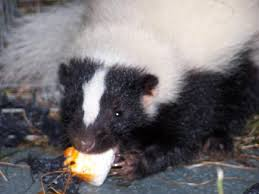
In New Hartford, skunks are common around wooded properties and residential edges. Many infestations go unnoticed until the smell becomes strong or digging appears—by then, a den is usually already active.
For a complete breakdown of removal, trapping, and long-term prevention, visit our Litchfield County skunk removal and control.
Skunk Removal & Exclusion
- Inspection to locate active den sites and entry points
- Humane trapping placed along travel routes and den openings
- Safe removal following Connecticut regulations
- Sealing and reinforcement to prevent re-entry
- Recommendations to reduce attractants and future activity
Skunk problems won’t resolve on their own. If the den isn’t properly removed and secured, another skunk will move right back into the same location—especially in areas like New Hartford.
Wildlife Removal in New Hartford, CT – Frequently Asked Questions
What wildlife problems are most common in New Hartford homes?
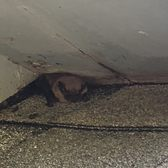
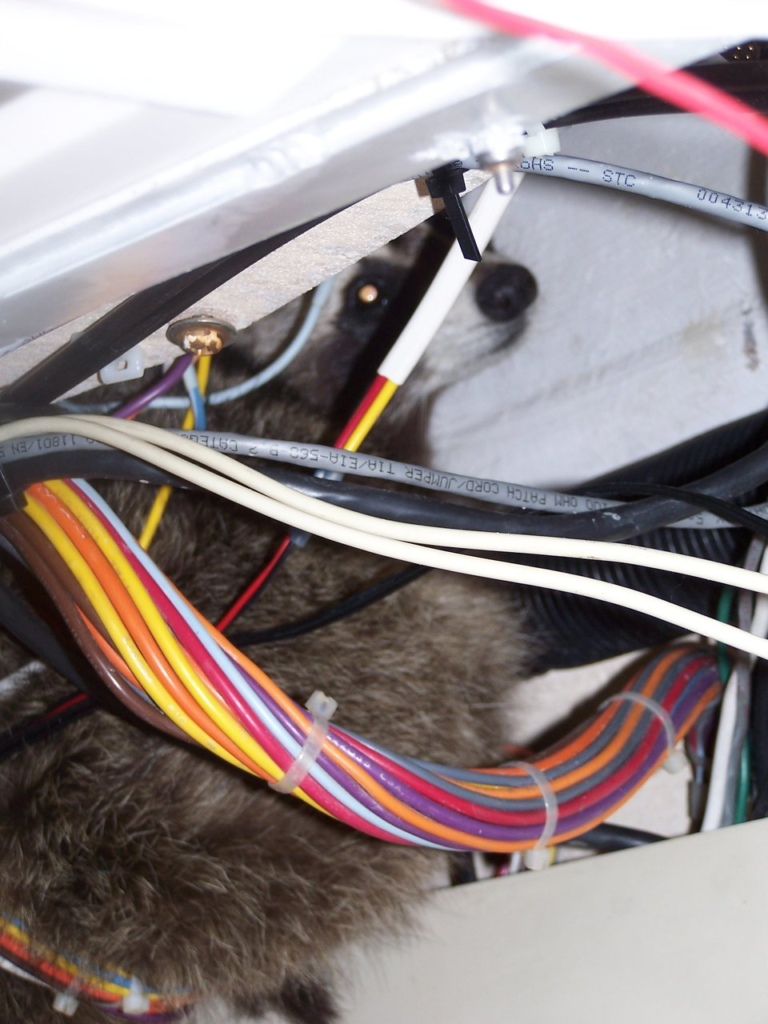
Common issues in New Hartford include bats in attics, squirrels in walls, raccoons in chimneys, and skunks under decks. Homes near wooded areas, the Farmington River, and properties with stone walls or outbuildings tend to see the most consistent activity.
Why do wildlife problems keep coming back?
Most repeat problems happen when entry points are not fully sealed. Animals will return to the same structure if even a small gap is left open or repaired with weak materials they can break through.
What are the signs of an animal in the attic?
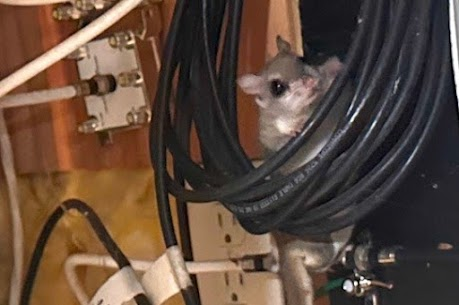
Typical signs include scratching or movement noises, droppings, strong odors, and visible damage near rooflines or vents. Flying squirrels are usually heard at night, while gray squirrels are more active during the day.
Are bats dangerous to have in the house?
Bats are not aggressive, but they can pose health risks due to guano buildup and potential rabies exposure. If a bat is found in a living space, especially a bedroom, it should be handled carefully and not released.
When is the best time to remove bats in New Hartford?
Bat removal depends on the season. During summer, exclusion may be restricted because of maternity colonies. Proper timing ensures all bats can exit safely without trapping young inside.
Do squirrels leave on their own?
No. Once squirrels establish a nesting area, they will continue using the structure. Without proper removal and sealing, the problem usually continues or grows.
Why are there snakes around my house?
Snakes are usually present because of a food source. If rodents like mice or chipmunks are active around a property, snakes will follow and may use the same entry points to access basements, crawlspaces, or garages.
How do animals get under decks and sheds?
Animals use gaps along the edges or dig underneath structures. Once access is created, it becomes a reliable den site that will be reused unless properly sealed.
Do you remove baby animals too?
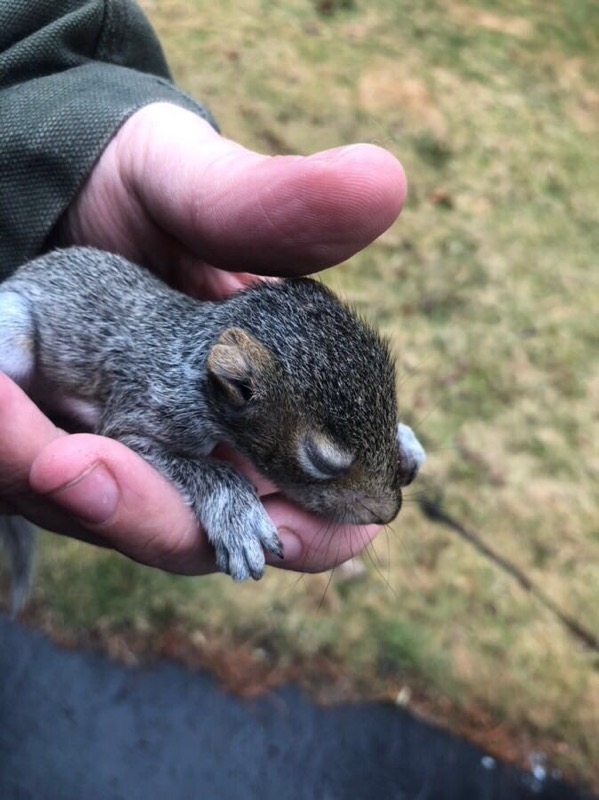
Yes. In cases involving raccoons or squirrels, young animals are often present during certain times of the year. Proper removal includes addressing both the adult and the young to fully resolve the problem.
Do flying squirrels really glow?
Yes — flying squirrels actually glow bright pink under ultraviolet (blacklight) conditions. This unusual trait has been observed in species commonly found in Connecticut attics during the winter.
Why do opossums end up in strange places?
Opossums are opportunistic and explore tight, dark spaces looking for shelter. This often leads them into unusual spots like window wells, garages, crawlspaces, or under bulkhead stairs where they can become stuck or establish a den.
Wildlife Removal Near New Hartford, CT
- Bat Removal Barkhamsted
- Raccoon Removal Winchester
- Wildlife Removal Torrington
- Skunk Removal Harwinton
- Burlington
- Canton
Common issues in New Hartford include bats in attics, squirrels in walls, raccoons in chimneys, and skunks under decks. Homes near wooded areas, the Farmington River, and properties with stone walls or outbuildings tend to see the most consistent activity.
Most repeat problems happen when entry points are not fully sealed. Animals will return to the same structure if even a small gap is left open or repaired with weak materials they can break through.
Typical signs include scratching or movement noises, droppings, strong odors, and visible damage near rooflines or vents. Flying squirrels are usually heard at night, while gray squirrels are more active during the day.
Bats are not aggressive, but they can pose health risks due to guano buildup and potential rabies exposure. If a bat is found in a living space, especially a bedroom, it should be handled carefully and not released.
Bat removal depends on the season. During summer, exclusion may be restricted because of maternity colonies. Proper timing ensures all bats can exit safely without trapping young inside.
No. Once squirrels establish a nesting area, they will continue using the structure. Without proper removal and sealing, the problem usually continues or grows.
Snakes are usually present because of a food source. If rodents like mice or chipmunks are active around a property, snakes will follow and may use the same entry points to access basements, crawlspaces, or garages.
Animals use gaps along the edges or dig underneath structures. Once access is created, it becomes a reliable den site that will be reused unless properly sealed.
Yes. In cases involving raccoons or squirrels, young animals are often present during certain times of the year. Proper removal includes addressing both the adult and the young to fully resolve the problem.
Yes — flying squirrels actually glow bright pink under ultraviolet (blacklight) conditions. This unusual trait has been observed in species commonly found in Connecticut attics during the winter.
Opossums are opportunistic and explore tight, dark spaces looking for shelter. This often leads them into unusual spots like window wells, garages, crawlspaces, or under bulkhead stairs where they can become stuck or establish a den.
