Cornwall, with its rural landscape, wooded hills, farmland, and proximity to the Housatonic River, sees consistent wildlife activity — including bats in attics, skunks under decks, raccoons in chimneys, squirrels in soffits, woodchucks burrowing near foundations, snakes around stone walls and basements, and opossums under sheds and porches.
Cornwall serves as a core service area for Housatonic Valley Wildlife Control, with wildlife activity common across large rural properties, horse farms, and homes surrounded by forest and open land.
Work in Cornwall often involves farm properties, barns, sheds, and homes with crawlspaces or older foundations—conditions that allow wildlife to enter and establish long-term denning areas if not properly addressed.
In one situation, skunks established a den beneath a structure near a barn on a horse property. The location provided shelter, minimal disturbance, and easy access to food sources. Situations like this are common in Cornwall, especially on farm properties where structures and open land create ideal conditions for burrowing animals.
Wildlife Issues on Cornwall Properties
- Farm and horse properties — provide shelter and food sources for wildlife
- Wooded and low-density areas — allow long-term denning
- Barns, sheds, and outbuildings — create multiple access points
- Stone walls and older foundations — common entry areas
- Large properties with minimal disturbance — problems go unnoticed longer
Important: Most repeat wildlife problems happen because entry points are not fully sealed or improper materials are used.
Common Wildlife Entry Problems in Cornwall
- Burrowing under barns, sheds, and foundations
- Roofline and soffit gaps allowing attic access
- Hidden entry points around outbuildings
- Repeat infestations from incomplete exclusion
- Rodent activity attracting predators
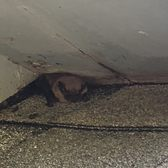
Bat Removal in Cornwall, CT
Bats are common in Cornwall, especially in barns, older homes, and wooded areas.
Most bat problems occur along ridge vents, soffits, and roofline gaps.
Colonies will return unless full exclusion is completed.
Learn more about bat removal in Litchfield County.
- Inspection for colonies and entry points
- Seasonal exclusion using one-way devices
- Guano cleanup (as needed)
- Full structure sealing and prevention
All work follows Connecticut DEEP regulations.
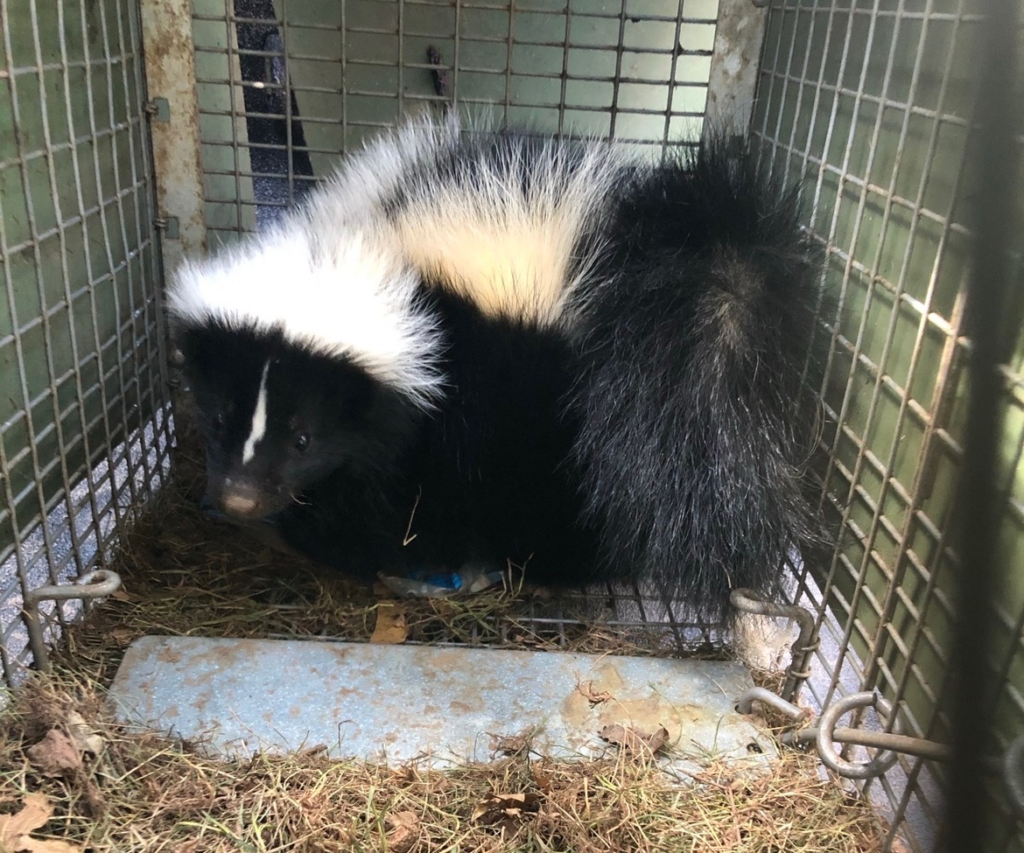
Common Skunk Problems in Cornwall, CT
- Strong odor around homes, barns, and crawlspaces
- Yard damage from digging for grubs and insects
- Burrows under sheds, decks, and foundations
- Risk of spraying if startled or cornered
- Potential exposure to rabies and other diseases
In Cornwall, skunks are often active around rural properties, wooded areas, and quiet neighborhoods. Many infestations go unnoticed until odor becomes strong or digging appears—by then, a den is typically already established.
For a complete breakdown of removal, trapping, and prevention, visit our skunk removal and control in Litchfield County, CT.
Skunk Removal & Exclusion
- Inspection to locate active den sites and entry points
- Humane trapping along travel routes and den openings
- Safe removal following Connecticut wildlife regulations
- Sealing and reinforcement to prevent re-entry
- Recommendations to reduce attractants and future activity
Skunk problems won’t resolve on their own. If the den isn’t properly removed and secured, another skunk will move right back into the same location—especially in quiet towns like Cornwall.
Squirrel Removal in Cornwall, CT
Squirrels frequently enter attics and barns due to tree coverage and easy roof access.
Most infestations occur when entry points are not fully sealed.
- Inspection for entry points and nesting
- Eviction using one-way doors or trapping
- Sealing with durable materials
- Long-term prevention
Raccoon Removal in Cornwall, CT
Raccoons commonly enter homes, barns, and outbuildings in Cornwall.
Most break-ins occur along roof edges, soffits, and chimney areas.
It is common for raccoons to use attic spaces or outbuildings to raise young.
Learn more about raccoon removal in Litchfield County.
- Inspection for den sites and entry points
- Humane trapping and eviction
- Damage repair and sealing
- Prevention for long-term control
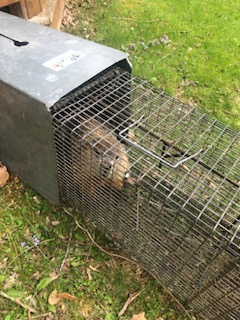
Woodchuck Removal in Cornwall, CT
Woodchucks are widespread in Cornwall, especially around farmland, foundations, and open land.
They create burrow systems that can undermine structures and barns.
Learn more about woodchuck removal in Litchfield County.
- Inspection of burrow systems
- Humane trapping
- Burrow collapse and reinforcement
- Prevention to stop re-digging
Beaver Trapping in Cornwall, CT
Beavers are active in Cornwall, especially near the Housatonic River, streams, and wetland areas where water access allows dam building and flooding.
Beaver activity can lead to flooding, tree damage, and drainage issues if not addressed.
Learn more about beaver removal in Litchfield County.
- Inspection of active areas and travel routes
- Strategic trap placement based on site conditions
- Removal in accordance with Connecticut regulations
- Recommendations to prevent repeat activity
Proper setup is critical—incorrect trapping attempts often fail.
Snake Removal in Cornwall, CT
Snakes are commonly found around stone walls, barns, woodpiles, and wooded areas.
Snake activity is often tied to rodent presence and structural gaps.
- Inspection to locate access points
- Safe removal when necessary
- Sealing of gaps and openings
- Habitat reduction recommendations
Opossum Removal in Cornwall, CT
Opossums often shelter under barns, sheds, and crawlspaces.
Most issues occur in low-access, protected areas around structures.
- Inspection of den areas
- Humane trapping
- Exclusion and sealing
- Prevention of return activity
Local Emergency & Health Contacts in Cornwall
If you have an animal bite or possible rabies exposure, contact your local health department or 911 immediately.
- Sharon Health Department (serves Cornwall) – (860) 364-0884
- Connecticut DPH Rabies Program – (860) 509-7994
Important: If a bat is found in a room where someone was sleeping or contact may have occurred, it should be captured and tested — do not release it.
Call or text Housatonic Valley Wildlife Control at 860-318-1778 for wildlife removal in Cornwall.
