
Wildlife Problems Around Your Harwinton Property?
Burrowing under foundations, animals in the attic, or damage around barns and sheds — wildlife problems in Harwinton don’t stay contained. Once they start, they spread across the property and get worse quickly.
Call Housatonic Valley Wildlife Control
860-318-1778Harwinton, CT — with its mix of rural properties, wooded areas, farmland, and residential homes — creates ideal conditions for ongoing wildlife activity. Homes in this area regularly deal with bats in attics, skunks under decks, raccoons in chimneys, squirrels in soffits, woodchucks burrowing near foundations, snakes around stone walls, and opossums sheltering under sheds and porches.
Wildlife problems are especially common in Harwinton because of how properties are laid out. Larger lots, wooded edges, and open land provide cover and food sources, while older construction and detached structures create easy access into homes. Once animals find a way in, they tend to return to the same location repeatedly.
Housatonic Valley Wildlife Control handles wildlife removal throughout Harwinton, where activity is consistent across both residential neighborhoods and rural properties. Work in this area often involves homes with barns, sheds, crawlspaces, and stone foundations — all of which create multiple entry points that are easy for wildlife to exploit.
In many cases, homeowners don’t notice a problem right away. It often starts with subtle signs like scratching in the attic, movement in the walls, or digging near the foundation. By the time it becomes obvious, the issue is usually already established and spreading within the structure or property.
Wildlife Pressure in Harwinton – Why It’s So Common
Wildlife issues in Harwinton aren’t random — they’re driven by the way properties are built and the surrounding environment. The combination of rural land, older homes, and low disturbance areas makes it easier for animals to enter and stay.
- Large residential lots and farmland — provide space for burrowing, denning, and long-term activity
- Wooded edges and minimal disturbance — allow animals to nest and remain undetected for extended periods
- Stone walls and older foundations — create natural gaps, voids, and entry points
- Detached structures — sheds, barns, and outbuildings offer easy shelter and access
- Less monitored areas of the property — problems often go unnoticed until they become more severe
In Harwinton, wildlife problems rarely stay isolated to one area. Animals will move between structures, expand burrows, or continue using the same entry point until it is properly addressed.
Why Wildlife Problems in Harwinton Get Worse Fast
Most recurring wildlife problems happen because entry points are not fully sealed or are repaired incorrectly. Animals like raccoons, squirrels, and bats will return to the same opening, while burrowing animals like woodchucks and skunks continue expanding underground activity.
Common issues that lead to repeat infestations include:
- Partial sealing that leaves hidden gaps
- Materials that animals can chew through or pull apart
- Ignoring secondary entry points around the structure
- Focusing only on removal without addressing access
What starts as a single animal or small entry point can quickly turn into:
- Multiple animals inside the structure
- Expanding burrow systems under foundations or walls
- Increased damage to insulation, wood, and structural areas
- Ongoing odor and contamination issues
In Harwinton properties with open land and multiple structures, these problems tend to spread faster and become more expensive if not handled correctly from the start.not fully sealed or incorrect materials are used.
Common Wildlife Issues in Harwinton Homes
- Roofline and soffit entry points
- Burrowing under decks, sheds, and foundations
- Hidden access around barns and outbuildings
- Repeat infestations from incomplete sealing
- Rodent activity attracting snakes and predators
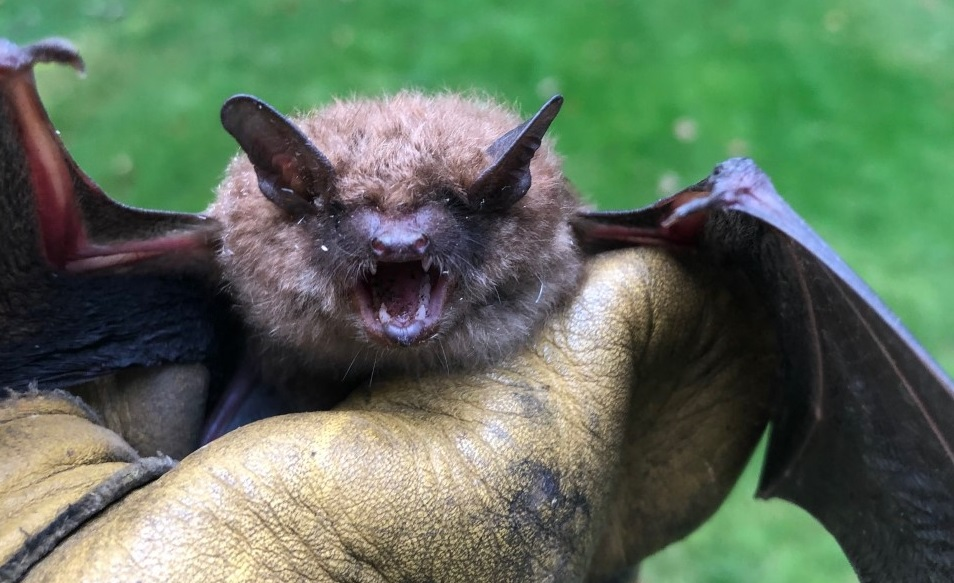
Bat Removal in Harwinton, CT
Bats are a common issue in Harwinton, especially in homes near wooded areas, farmland, and properties with barns or detached structures. These buildings often have gaps along the roofline, ridge vents, and soffits that allow bats to enter and establish colonies without being noticed.
Most bat problems start small, but they don’t stay that way. Once bats find an entry point, they return to it repeatedly and bring others with them. Over time, this leads to larger colonies, guano buildup, strong odors, and contamination inside attics and wall voids. In many cases, homeowners don’t realize there’s a problem until the colony is already well established.
In Harwinton, bat activity is especially common in:
- Homes with ridge vents and aging rooflines
- Barns, sheds, and outbuildings with open gaps
- Properties near wooded edges or water sources
- Structures with unsealed soffits or roofline openings
If handled incorrectly, bat problems can get worse. Sealing entry points at the wrong time or without proper exclusion can trap bats inside or force them into other areas of the structure.
What Bat Removal Involves
- Full inspection to locate colonies and all entry points
- Installation of one-way exclusion devices to allow bats to leave safely
- Sealing of all roofline gaps, vents, and structural openings
- Guano cleanup and contamination control (if needed)
- Long-term prevention to stop re-entry
Bat exclusion is the only effective long-term solution. Removing the bats without sealing the structure will lead to repeat infestations.
Why Timing Matters
Bat removal in Connecticut is regulated, and exclusion must be performed at the correct time of year to avoid trapping young bats inside. Proper timing and method are critical to solving the problem without creating additional issues.
Learn more about bat removal in Litchfield County.
Skunk Removal in Harwinton, CT
Skunks frequently burrow under decks, sheds, and crawlspaces in Harwinton’s quiet residential and rural areas. If you’re noticing strong odors, digging around your foundation, or signs of a den, the problem is likely active and needs to be handled quickly before it gets worse.
Learn exactly how the process works and what to expect on our full skunk removal in Litchfield County, CT page.
- Locate and confirm active den areas
- Humane trapping and safe removal
- Full exclusion and structural reinforcement
- Prevention to stop future infestations
Need skunk removal in Harwinton right now?
Call or text Housatonic Valley Wildlife Control at 860-318-1778 for fast, professional service and permanent solutions.
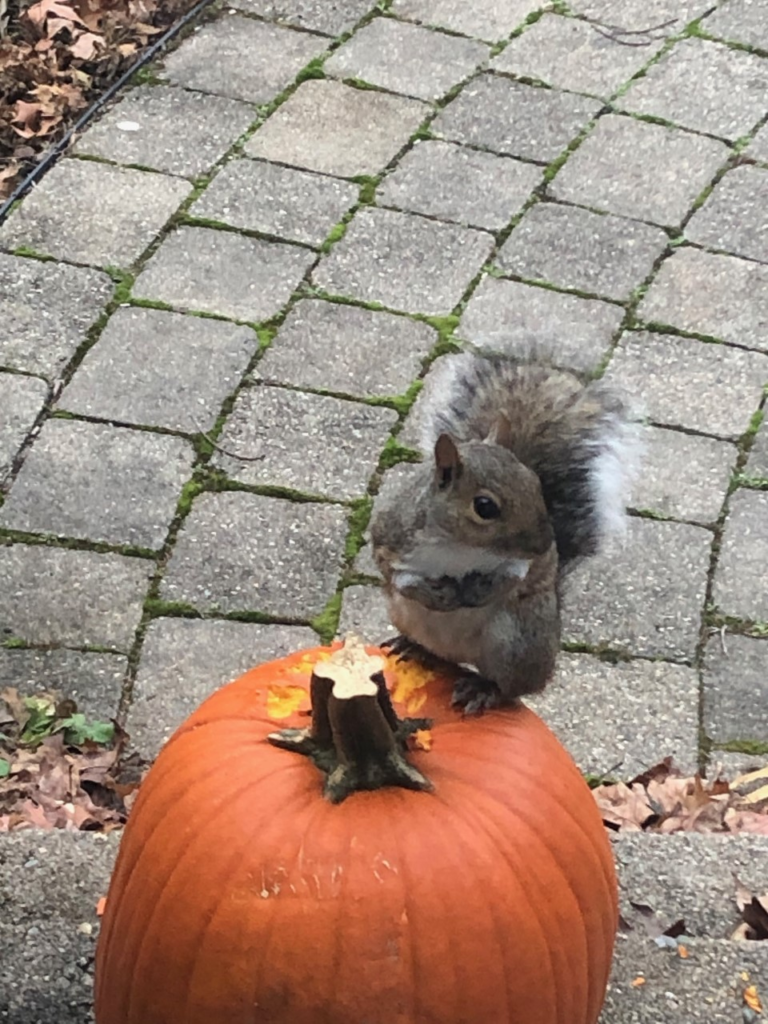
Squirrel Removal in Harwinton, CT
Squirrels are a frequent problem in Harwinton, especially on properties with heavy tree coverage and rooflines that are easy to access. Both gray squirrels and flying squirrels commonly enter attics through gaps along soffits, fascia boards, roof edges, and vents.
Most infestations start with a small opening, but squirrels will quickly make it worse. They chew entry points larger, nest in insulation, and can damage wiring — creating both structural issues and potential fire hazards. Homeowners usually first notice scratching or running sounds in the attic, especially early in the morning or at night.
In Harwinton, squirrel activity is especially common in:
- Homes with trees overhanging or touching the roof
- Older soffits and fascia boards that are easier to chew through
- Attic vents or roofline gaps that are not properly sealed
- Rural properties where food sources and cover are consistent
Most repeat squirrel problems happen when the entry point is not fully sealed. If even a small gap is left behind, squirrels will return or new ones will move in and reuse the same access point.
What Squirrel Removal Involves
- Inspection to locate entry points and nesting areas
- Safe removal or eviction based on activity
- Sealing of roofline gaps, vents, and structural openings
- Reinforcement of vulnerable areas to prevent re-entry
Long-term squirrel control depends on proper exclusion — not just removing the animal, but making sure it can’t get back in.
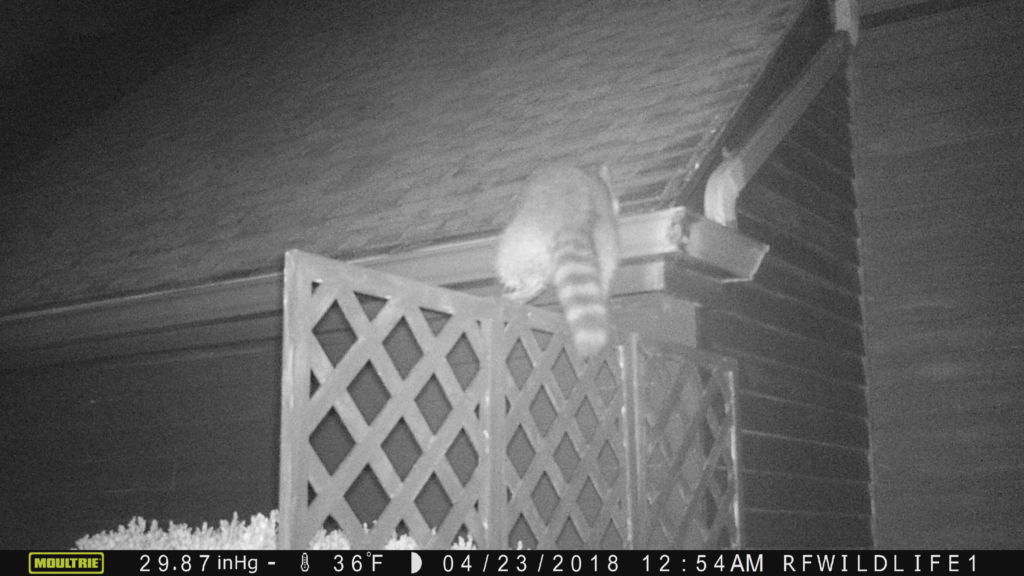
Raccoon Removal in Harwinton, CT
Raccoons are a common and destructive problem in Harwinton, especially on rural properties with barns, sheds, and older homes. They typically enter through soffits, roof edges, and chimneys, but in this area it’s also very common to find them nesting in barns and haylofts where there is cover, warmth, and little disturbance.
Most raccoon problems start with a single entry point, but they don’t stay contained. Once inside, raccoons will tear open soffits, rip insulation, and create large den areas in attics or loft spaces. In barns and haylofts, they often establish nesting areas that can go unnoticed for long periods, leading to heavy accumulation of droppings and contamination.
Raccoon droppings can carry roundworm (Baylisascaris), which can pose a health risk to people and pets if disturbed. In enclosed areas like attics or lofts, this contamination can build up quickly and spread through insulation, dust, and stored materials.
In Harwinton, raccoon activity is especially common in:
- Homes with open or damaged soffits and roof edges
- Uncapped or accessible chimneys
- Barns, haylofts, and outbuildings with minimal disturbance
- Properties near wooded areas and farmland
It’s also very common for raccoons to use attics or chimneys to raise young. When this happens, removing the adult without addressing the litter can lead to ongoing noise, odor, and aggressive attempts to re-enter the structure.
If not handled correctly, raccoons will return to the same entry point or create a new one nearby — often causing more damage each time.
What Raccoon Removal Involves
- Full inspection to locate entry points, nesting areas, and contamination
- Safe removal of raccoons, including handling of young if present
- Sealing and reinforcement of soffits, roof edges, chimneys, and barn openings
- Cleanup of contaminated attic or loft spaces (if needed)
- Long-term prevention to stop repeat break-ins
Proper raccoon removal is not just about getting them out — it’s about addressing the nesting area, contamination, and entry points so the problem doesn’t come back.
Learn more about raccoon removal in Litchfield County.
Woodchuck Removal in Harwinton, CT
Woodchucks are one of the most destructive wildlife problems in Harwinton, CT — especially on properties with stone walls, barns, sheds, and older foundations. The combination of farmland, open land, and existing structures makes this area ideal for burrowing.
Most homeowners notice a single hole, but that’s rarely the full problem. Woodchucks create large, multi-chamber burrow systems that extend deep underground with multiple hidden entrances. In Harwinton, these burrows are often found running:
- Directly under home foundations
- Beneath stone walls and patios
- Under sheds, barns, and outbuildings
- Along garden edges and open land
The real issue isn’t just the animal — it’s the loss of structural support underneath the surface. As these tunnels expand, they create voids that can cause stone walls to shift, patios to sink, and sections of ground to collapse. On older or rural properties, this damage can spread quickly and become expensive to repair.
In Harwinton, where many properties have historic stone walls and exposed foundations, this type of burrowing can lead to long-term structural instability if not handled correctly.
Woodchuck activity is especially common in:
- Properties with stone walls and older construction
- Homes with barns, sheds, and exposed foundations
- Open land, gardens, and farmland
- Transition areas between woods and cleared property
Once a burrow system is established, woodchucks will continue expanding it and return year after year. Simply filling the hole or removing one animal does not solve the problem — the tunnel system remains active or gets reused.
What Woodchuck Removal Involves
- Full inspection to locate all burrow entrances and underground activity
- Targeted removal based on how the burrow system is being used
- Collapse and treatment of tunnel systems to prevent reuse
- Protection of foundations, stone walls, and structures
- Long-term prevention to stop future digging in the same area
Effective woodchuck control is not just about removing the animal — it’s about eliminating the burrow system and protecting the structure before the damage spreads further.
Why Woodchuck Problems Get Worse Fast in Harwinton
In rural areas like Harwinton, woodchucks have plenty of space and cover to expand their burrows without disturbance. What starts as a single entry hole can quickly turn into a network of tunnels extending under multiple parts of the property.
As these tunnels grow:
- More ground becomes unstable
- Additional entrances appear in new areas
- Structures begin to lose support underneath
- The cost of repair increases significantly
If left untreated, woodchuck damage in Harwinton properties can go from a small burrow to widespread structural issues beneath the property.ls.
Learn more about woodchuck removal in Litchfield County.
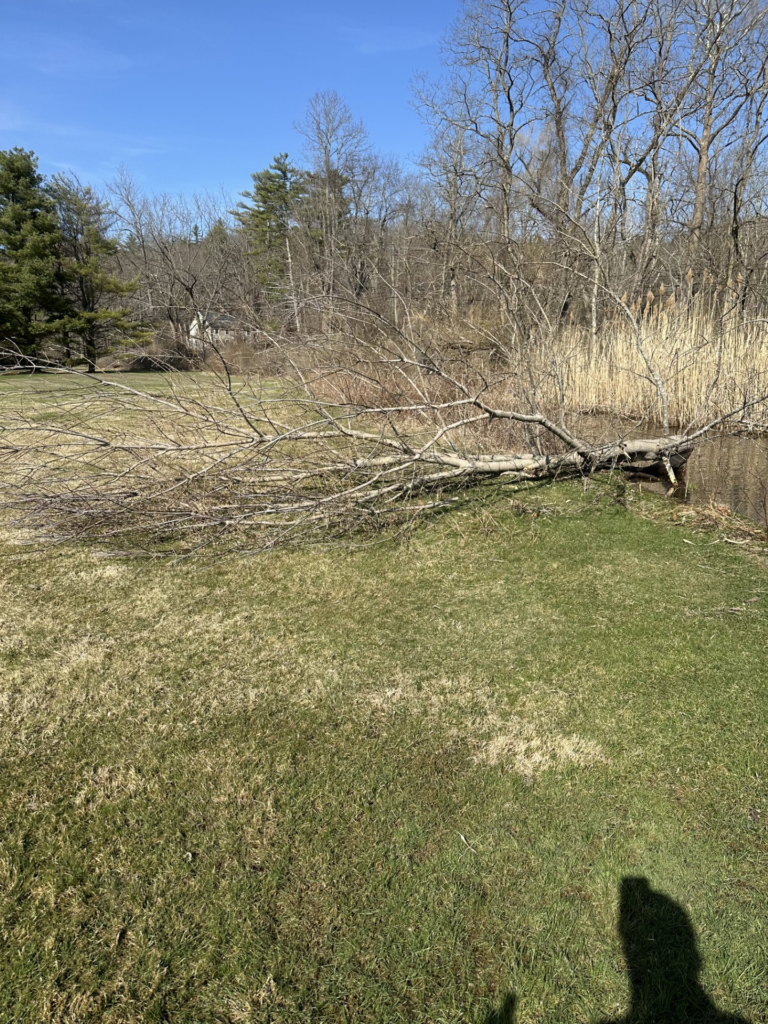
Beaver Trapping in Harwinton, CT
Beavers are one of the most damaging wildlife problems in Harwinton, CT, especially on properties near streams, wetlands, drainage areas, and low-lying wooded land. The town’s mix of farmland, natural water systems, and rural roads creates ideal conditions for dam building and long-term beaver activity.
Once beavers move into an area, the problem is not just the animals — it’s the water they control. Even a small dam can back up a large volume of water, and in Harwinton, it’s common for water levels to rise quickly after rain, spreading flooding well beyond the original stream or ditch.
Beaver dams in this area are often found:
- Blocking culverts and roadside drainage systems
- Backing water into fields, yards, and wooded areas
- Flooding driveways, access roads, and low-lying structures
- Saturating soil around foundations, barns, and outbuildings
As water builds, the impact spreads. Trees begin to die from saturation, soil becomes unstable, and drainage systems stop functioning. What starts as a small blockage can quickly turn into widespread flooding and property damage across multiple areas.
Beaver activity is especially common in Harwinton properties with:
- Streams, ponds, or wetlands running through or near the land
- Culverts, drainage pipes, or roadside ditches
- Large wooded areas with minimal disturbance
- Low-lying sections of property where water naturally collects
If not handled correctly, beavers will continue building and maintaining their dam. Breaking the dam without removing the beavers is only a temporary fix — they will rebuild, often overnight.
What Beaver Trapping & Water Control Involves
- Inspection of active beaver areas, dams, and travel routes
- Identification of how water is backing up and spreading across the property
- Strategic trap placement based on terrain, water flow, and activity patterns
- Licensed removal in accordance with Connecticut regulations
- Controlled opening or reduction of dams to relieve pressure safely
- Restoration of drainage through culverts, ditches, or blocked flow paths
- Long-term strategies to reduce repeat damming in the same location
Effective beaver control in Harwinton requires handling both the animals and the water system at the same time. Removing one without addressing the other will not solve the problem.
Why Beaver Problems Escalate Quickly in Harwinton
In areas with active water flow, beaver problems don’t stay stable — they expand. Each time it rains, more water is held back, and flooding spreads further across the property.
As conditions worsen:
- Flood zones expand into new areas
- Driveways and access roads begin to wash out
- Septic systems and underground utilities can be affected
- Water pressure builds around structures and foundations
- Repair costs increase as damage spreads
In Harwinton, where many properties rely on natural drainage, this is not a slow problem. It can escalate quickly and continue getting worse until both the beavers and the water flow are properly controlled.
Learn more about beaver trapping in Litchfield County.
Snake Removal in Harwinton, CT
Snakes are a common sight in Harwinton, especially around stone walls, woodpiles, basements, and wooded edges. Properties with open land, barns, and older foundations provide the kind of shelter and access points snakes use to move in and stay hidden.
In most cases, snake activity is tied directly to rodent problems. If mice or other small animals are living in or around the structure, snakes will follow that food source and use the same gaps and openings to get inside basements, crawlspaces, and wall voids.
What many homeowners don’t realize is that the snake itself is usually not the main issue — it’s a sign that the property has:
- Structural gaps or entry points
- Active rodent populations
- Conditions that allow wildlife to move freely around the home
In Harwinton, snake activity is especially common in:
- Properties with stone walls or rock landscaping
- Homes with basements or crawlspace access gaps
- Woodpiles, sheds, and debris near the structure
- Rural areas with consistent rodent activity
If these conditions aren’t addressed, snake activity will continue even if one is removed.
What Snake Removal Involves
- Inspection to identify access points and contributing conditions
- Safe removal when necessary
- Sealing of gaps around foundations, basements, and structures
- Identification and reduction of rodent activity
- Recommendations to reduce shelter areas like woodpiles and debris
Long-term snake control depends on removing what attracts them — not just removing the snake.
Opossum Removal in Harwinton, CT
Opossums are common in Harwinton and frequently take shelter under decks, sheds, porches, crawlspaces, and barns. On rural properties, they often move between wooded edges and structures, using open areas beneath buildings as safe den sites.
While opossums are not as destructive as some other wildlife, they create ongoing problems when they establish shelter close to the home. They can cause odor issues, disturb insulation, and attract other animals to the same space if access points are left open.
In Harwinton, opossum activity is especially common in:
- Homes with open space under decks, sheds, or porches
- Crawlspaces with unsecured access points
- Barns and outbuildings on rural properties
- Areas with nearby food sources and wooded cover
One important concern on properties with horses is the risk of Equine Protozoal Myeloencephalitis (EPM). Opossums are known carriers of the parasite that causes EPM, and the disease can be spread when horses come into contact with contaminated feed, water, or surfaces exposed to opossum droppings.
For properties with barns or horse areas, this makes opossum activity more than just a nuisance — it becomes a health risk that needs to be addressed quickly.
If not handled properly, opossums will continue returning to the same sheltered area or move between structures on the property.
What Opossum Removal Involves
- Inspection of den areas under decks, sheds, crawlspaces, and barns
- Humane trapping and removal
- Sealing of access points to prevent re-entry
- Reinforcement of vulnerable areas beneath structures
- Recommendations to reduce attractants and shelter opportunities
Proper opossum removal focuses on closing off the structure and reducing exposure risks, especially on properties with animals or feed storage.
Local Emergency & Health Contacts in Harwinton
- Harwinton Health Department – (860) 485-9056
- CT Rabies Program – (860) 509-7994
Call or text Housatonic Valley Wildlife Control at 860-318-1778 for wildlife removal in Harwinton.
Wildlife Removal Questions in Harwinton, CT
What wildlife problems are most common in Harwinton, CT?
Woodchucks and beavers are among the most common due to farmland, stone walls, and natural water systems. Woodchucks cause structural damage by burrowing under foundations and walls, while beavers create flooding by blocking streams, culverts, and drainage areas.
Do you handle woodchucks digging under foundations and barns?
Yes — woodchucks frequently burrow under foundations, sheds, and barns in Harwinton. See our woodchuck removal in Litchfield County service for full burrow inspection and structural protection.
Can you stop flooding caused by beavers on my property?
Yes — we provide beaver trapping and flooding control to remove active beavers and restore proper water flow before flooding spreads further.
Why do animals keep getting into my attic or barn?
Most wildlife enters through roofline gaps, soffits, vents, or open barn structures. If these openings are not properly sealed, animals will return or new ones will move in and reuse the same access points.
Are opossums dangerous around horses and barns?
Opossums can carry the parasite linked to EPM (Equine Protozoal Myeloencephalitis), which can affect horses through contaminated feed or surfaces. This makes removal important on properties with barns or livestock.
Do you remove bats from homes in Harwinton?
Yes — we use exclusion methods to safely remove bat colonies and seal entry points. Learn more about bat removal in Litchfield County and seasonal timing requirements.
Will wildlife come back after removal?
If entry points are not fully sealed, wildlife will return or new animals will move in. Long-term control depends on proper exclusion and repairing all access points around the structure.
Animals Getting Into Your Home or Buildings in Harwinton?
Whether it’s in the attic, under a deck, or around a barn or shed, wildlife problems in Harwinton don’t go away on their own. Once animals find a way in, they keep using the same access point and the damage continues to spread.
Call Housatonic Valley Wildlife Control
860-318-1778