
Wildlife Problems in Woodbury, CT
Wildlife Damage in Woodbury, CT?
Woodchucks, skunks, raccoons, and beavers can cause serious problems around foundations, stone walls, decks, and wooded properties in Woodbury. These problems don’t stay small — they get worse fast.
Call Housatonic Valley Wildlife Control
860-318-1778In many cases, by the time homeowners notice wildlife activity in Woodbury, the problem is already established and spreading within the structure or property.
Woodbury, CT — with its mix of historic homes, wooded properties, farmland, and proximity to the Pomperaug River — creates ideal conditions for a wide range of wildlife activity. Homes in this area regularly deal with bats in attics, skunks under decks, raccoons in chimneys, squirrels in soffits, woodchucks burrowing near foundations, snakes around stone walls and basements, and opossums taking shelter under sheds and porches.
Wildlife problems are especially common in areas with older construction and larger lots, including properties along Main Street North, Sherman Hill Road, and the surrounding rural backroads. These environments provide everything animals need — shelter, food sources, and easy access points — making long-term infestations more likely if not addressed correctly.
Work in Woodbury ranges from tightly built historic homes near the town center to larger rural properties with barns, stone foundations, and wooded edges. These conditions make it easier for animals to enter unnoticed and establish den sites inside attics, crawlspaces, chimneys, and beneath structures. Once inside, the problem rarely stays contained — it spreads.
It’s common for homeowners to first notice subtle signs like scratching in the attic, movement in the walls, or strong odors near the home. In one recent situation, a raccoon entered through an open chimney and established a den, eventually raising a litter before the issue was discovered. By the time the homeowner called, there was already significant contamination and damage. Situations like this are not unusual in Woodbury, especially in homes with older construction, roofline gaps, or uncapped chimneys.
Signs of Wildlife Problems in Woodbury Homes
- Scratching or movement in attic or walls
- Holes near foundations, decks, or stone walls
- Standing water or sudden flooding on the property
- Strong odors coming from attic, crawlspace, or yard
Why Professional Wildlife Removal Matters in Woodbury
Wildlife issues in Woodbury aren’t simple — and quick fixes usually fail. The combination of older homes, natural surroundings, and structural vulnerabilities means problems often return if they aren’t handled properly the first time.
- Built for historic and rural properties — older homes, barns, and large wooded lots increase the risk of hidden entry points and long-term infestations
- Proper exclusion methods — using materials animals cannot chew through, tear apart, or reopen
- Humane and compliant — all work follows Connecticut DEEP regulations and seasonal wildlife considerations
- Long-term solutions — focused on stopping the problem at the source, not temporary removal
- Experience with stone foundations and older construction — critical for preventing repeat issues in Woodbury homes
Why Wildlife Problems in Woodbury Keep Coming Back
Most recurring wildlife problems happen when entry points are not fully sealed or are repaired incorrectly. Animals like raccoons, squirrels, and woodchucks will return to the same location — or create new openings nearby — if the original access point isn’t properly addressed.
In areas like Woodbury, where homes often have:
- aging rooflines
- stone foundations
- gaps around eaves and soffits
- uncapped chimneys
…these problems can escalate quickly.
What starts as a small entry point can turn into:
repeat infestations season after seasontry points are missed or improperly sealed.
multiple animals inside the structure
structural damage
odor and contamination issues
Common Wildlife Removal Mistakes in Woodbury
- Sealing holes before animals are fully removed
- Using materials that animals can reopen
- Missing secondary entry points
- Trapping without sealing the structure
- Ignoring attractants like rodents, feeders, or woodpiles
Bat Removal in Woodbury, CT
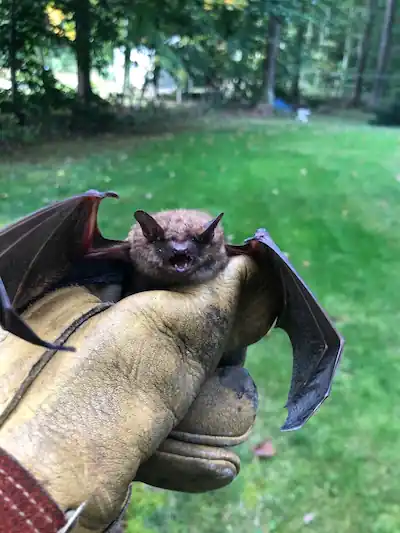
Bats are common in Woodbury, especially in older homes, wooded areas, and properties near water like the Pomperaug River. These homes often have roofline gaps, ridge vents, and soffits that allow bats to enter and establish colonies without being noticed.
Most infestations start small — but once bats get inside, they return to the same entry point night after night. Over time, this leads to guano buildup, strong odors, and contamination inside attics and wall voids. In many cases, homeowners don’t realize there’s a problem until the colony has already grown.
In Woodbury, bat issues are especially common in:
- Older homes with aging rooflines
- Properties near wooded edges or water
- Homes with ridge vents or unsealed soffits
If not handled properly, bat problems don’t go away — they expand. Sealing the structure incorrectly or at the wrong time can trap bats inside or make the situation worse.
Learn more about bat removal in Litchfield County.
What Bat Removal Involves
- Full inspection to locate colonies and all entry points
- Seasonal exclusion using one-way devices (timed correctly)
- Sealing of all accessible gaps and roofline vulnerabilities
- Guano cleanup and contamination control (if needed)
- Long-term prevention to stop re-entry
All bat removal work follows Connecticut DEEP regulations and is performed at the appropriate time of year to ensure safe and effective exclusion.
Common Skunk Problems in Woodbury, CT
- Strong odor around decks, porches, and crawlspaces
- Damage to lawns from digging for grubs and insects
- Burrows under sheds, foundations, and stairs
- Risk of spraying if startled or approached
- Potential exposure to rabies and other diseases
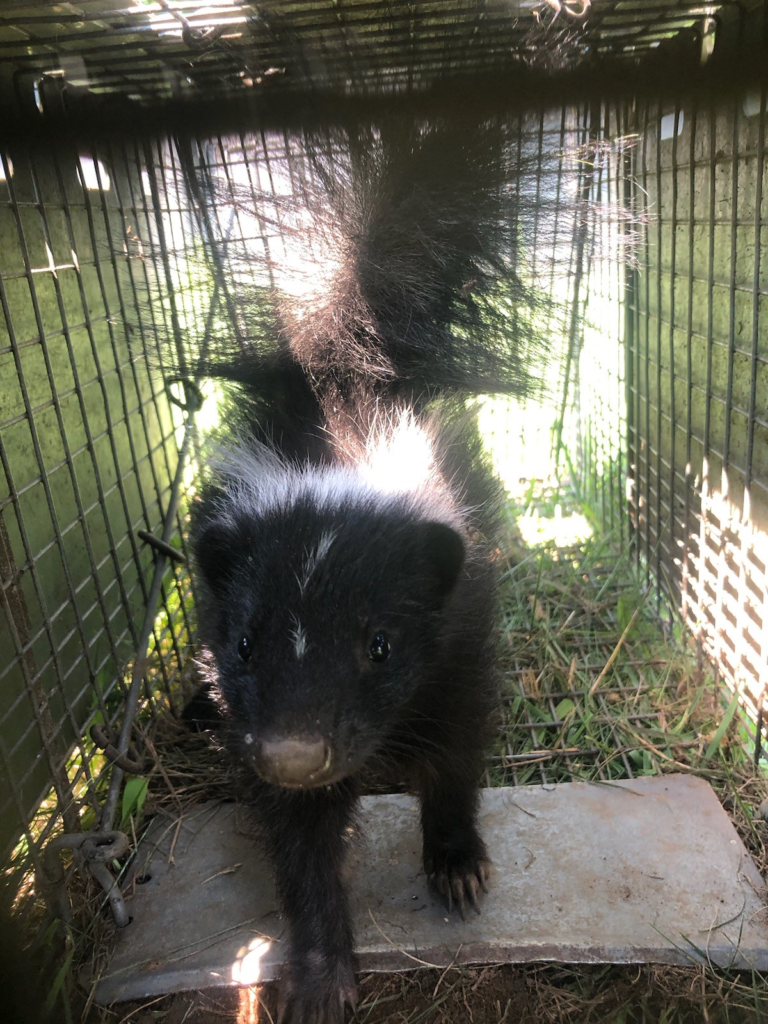
In Woodbury, skunks are often active around residential properties and wooded areas. Most homeowners don’t notice them until odor or digging becomes obvious—by then, a den is usually already established.
For a full breakdown of removal, trapping, and long-term prevention, visit our skunk removal and exclusion in Litchfield County, CT.
Skunk Removal & Exclusion
- Inspection to locate active den sites and entry points
- Humane trapping placed along travel routes and den openings
- Safe removal following Connecticut regulations
- Sealing and reinforcement to prevent re-entry
- Recommendations to reduce attractants and future activity
Skunk problems don’t resolve on their own. If the den isn’t properly handled and secured, another skunk will move right back into the same location—especially in towns like Woodbury.
Squirrel Removal in Woodbury, CT
Squirrels are a common problem in Woodbury, especially in wooded neighborhoods and properties with overhanging trees. Both gray squirrels and flying squirrels frequently enter attics through roofline gaps, soffits, and fascia boards.
These problems often start with noise — scratching, running, or movement in the attic — but they don’t stay minor. Squirrels will chew openings larger, damage insulation, and can create fire hazards by gnawing on wiring.
Most repeat squirrel problems in Woodbury happen when entry points are not fully sealed. If even a small gap is left behind, squirrels will return or new ones will move in.
Squirrel activity is especially common in:
- Homes with trees close to the roof
- Older soffits and fascia boards
- Unsealed roofline gaps and attic vents
For more information, see our
<a href=”/squirrel-removal-litchfield-county/”>squirrel removal in Litchfield County</a> service page.
What Squirrel Removal Involves
- Inspection to locate entry points and nesting areas
- Safe removal of squirrels from the attic
- Sealing of all roofline gaps, vents, and access points
- Reinforcement of vulnerable areas to prevent re-entry
Long-term control depends on proper exclusion — not just removing the squirrels, but making sure they can’t get back in.
Raccoon Removal in Woodbury, CT
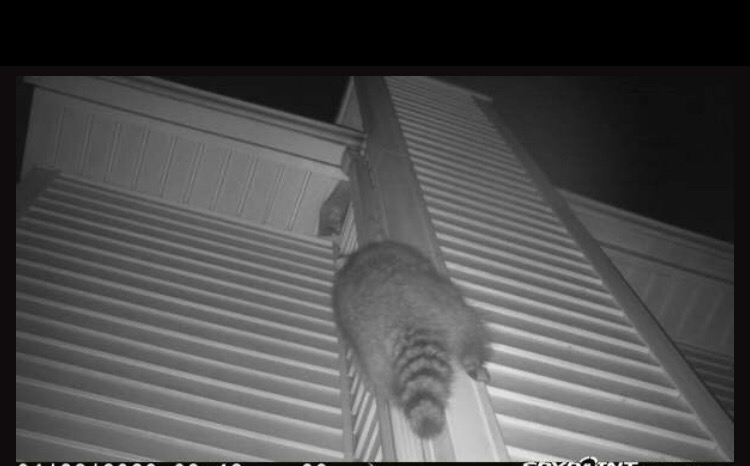
Raccoons are highly active in Woodbury, especially in wooded residential areas and around older homes. They commonly break in along roof edges, soffits, and chimney openings where materials are easier to pull apart.
Most raccoon problems start with a single entry point, but once inside, they create significant damage quickly. Raccoons will tear open soffits, rip insulation, and contaminate attic spaces with waste. In many cases, the issue isn’t discovered until there is loud noise, strong odor, or visible damage.
It’s very common in Woodbury for raccoons to use chimneys or attic spaces to raise young. When this happens, the situation becomes more complicated — removing the mother without addressing the litter can lead to ongoing noise, odor, and repeat entry attempts.
Raccoon activity is especially common in:
- Homes with accessible rooflines and soffits
- Uncapped or damaged chimneys
- Properties near wooded areas or water sources
If not handled properly, raccoons will return to the same entry point or create a new one nearby.
For more information, see our
<a href=”/raccoon-removal-litchfield-county/”>raccoon removal in Litchfield County</a> service page.
Seeing Signs of Wildlife Activity in Woodbury?
Burrowing, flooding, or animals getting into your home won’t fix themselves. The longer it’s left, the more damage it can cause.
Call 860-318-1778 for Wildlife RemovalWhat Raccoon Removal Involves
- Full inspection to identify entry points and nesting areas
- Safe removal of raccoons, including handling of young if present
- Sealing and reinforcement of roof edges, soffits, and chimney areas
- Cleanup of contaminated attic spaces (if needed)
- Long-term prevention to stop repeat break-ins
Proper raccoon removal is not just about getting them out — it’s about fixing the structure so they can’t get back in.
Learn more about raccoon removal in Litchfield County.
Woodchuck Removal in Woodbury, CT
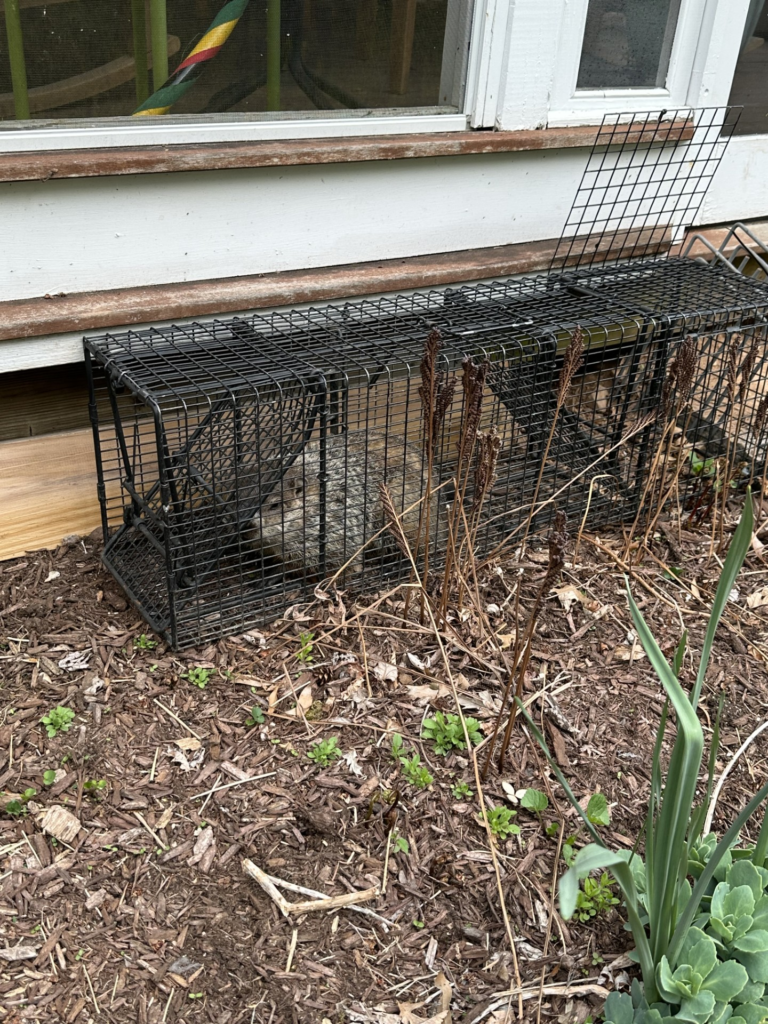
Woodchucks are one of the most destructive wildlife problems in Woodbury, CT — especially around stone walls, foundations, barns, sheds, and landscaped areas. The combination of older properties, farmland, and existing stone structures makes this area ideal for burrowing.
Most homeowners first notice a single hole, but that’s not the real problem. Woodchucks create large, multi-chamber burrow systems that extend deep under structures with multiple hidden entrances. What you see on the surface is only a small part of the damage.
In Woodbury, this often means burrows running:
- Directly under stone walls
- Beneath home foundations and patios
- Under sheds, barns, and outbuildings
- Along garden edges and open land
Once digging starts, the structure above it begins to lose support. Stone walls can shift or collapse, patios can sink, and foundations can develop voids underneath them. On older or historic properties, this type of damage can spread quickly and become very expensive to repair.
Woodchucks will continue expanding these burrows and return to the same location season after season if the problem isn’t fully resolved. Simply filling the hole or removing one animal does not fix the issue — the tunnel system remains active or gets reused.
Woodchuck activity is especially common in Woodbury properties with:
- Historic stone walls and older construction
- Open land, gardens, or farmland
- Structures with exposed or shallow foundations
- Transition areas between woods and cleared land
If left alone, what starts as a single burrow can turn into widespread structural instability beneath the property.
For more information, see our
<a href=”/woodchuck-removal-litchfield-county/”>woodchuck removal in Litchfield County</a> service page.
Learn more about woodchuck removal in Litchfield County.
Recent Wildlife Problem in Woodbury, CT
We recently handled a woodchuck problem where burrows had developed under a stone wall and extended toward the foundation of the home. The wall had already started shifting, and voids were forming underneath. After removing the woodchuck and addressing the burrow system, the structure was stabilized and protected from further damage.
What Woodchuck Removal Involves
- Full inspection to identify all burrow entrances and underground activity
- Targeted removal based on how the burrow system is being used
- Collapse and treatment of tunnel systems to prevent re-entry
- Protection of foundations, stone walls, and structures
- Long-term prevention to stop future digging in the same area
Effective woodchuck removal is not just about getting rid of the animal — it’s about eliminating the burrow system and protecting the structure before the damage spreads further.
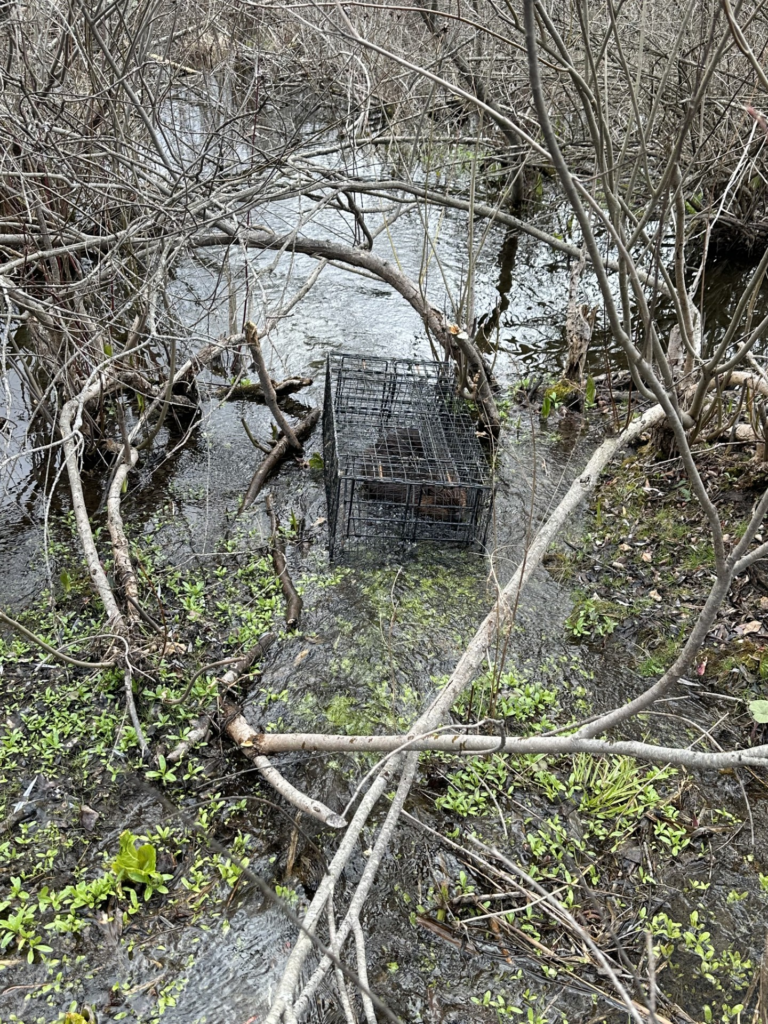
Beaver Trapping in Woodbury, CT
Beavers are active in Woodbury, especially near the Pomperaug River, streams, and wetland areas where water access alloBeaver Trapping in Woodbury, CT
Beavers are highly active throughout Woodbury, especially along the Pomperaug River, Weekeepeemee River, and the network of streams, ponds, and wetlands that run through the area. These waterways create ideal conditions for dam building, lodge construction, and constant beaver activity.
Once beavers establish themselves, the situation can change quickly. A dam that looks minor can back up thousands of gallons of water, raising levels overnight and flooding areas that were previously dry. In Woodbury, this often impacts driveways, septic systems, fields, and wooded sections of a property — and in some cases, nearby roadways and culverts.
The real issue isn’t just the presence of beavers — it’s the water they control. As dams expand, water spreads outward, saturating soil, killing trees, and putting pressure on structures and drainage systems. If left unmanaged, the damage continues to grow with every rainfall.
Beaver activity in Woodbury is especially common in:
- Low-lying properties near rivers, streams, and wetlands
- Areas with culverts, drainage pipes, or roadside ditches
- Properties with ponds or standing water
- Rural and wooded land with limited water flow control
Common Beaver Problems in Woodbury
- Flooding of yards, fields, and wooded areas as water backs up beyond the original stream or pond
- Water pushing into driveways, septic systems, crawlspaces, and outbuildings
- Blocked culverts and drainage ditches leading to road overflow and washouts
- Tree damage from cutting and feeding, including loss of mature trees and landscape value
- Soil saturation, erosion, and long-term loss of usable land
- Rising water levels putting pressure on foundations, slabs, and structural supports
- Standing water creating unsafe conditions on rural roads, trails, and access points
In Woodbury, these problems don’t stay contained to one area. As the dam grows, water spreads outward, affecting more of the property and surrounding land.
What starts as a small dam can quickly turn into widespread flooding, structural risk, and ongoing water damage, especially after heavy rain or seasonal runoff.
Professional Beaver Trapping & Water Control
Beaver problems in Woodbury are not just an animal issue — they are a water control problem. Removing a beaver without addressing the dam and flow system it created will not solve anything. The water will remain backed up, and new beavers will move in or the same ones will rebuild.
Effective beaver control requires understanding how water is moving across the property and how the dam is affecting that flow. Every site is different — culverts, drainage ditches, wetlands, and natural runoff all play a role.
A proper beaver management approach includes:
- Identifying active beavers and how they are using the site
- Locating dams, lodges, and hidden access points
- Evaluating how water is backing up and where it’s spreading
- Controlled removal of beavers based on activity patterns
- Strategic opening or reduction of dams to relieve pressure safely
- Restoring flow through culverts, ditches, or blocked drainage paths
- Reinforcing problem areas to reduce repeat damming
In Woodbury, many properties are tied into natural water systems, which means improper handling can make things worse — either by releasing too much water too quickly or by failing to relieve pressure where it matters.
Simply breaking a dam is a temporary fix. If the beavers are still active, they will rebuild — often overnight — and the flooding returns just as fast.
Real beaver control is about removing the animals and correcting the water problem at the same time, so the issue doesn’t come back.
Why Acting Early Matters
By the time you notice rising water, the problem is already established. Beaver dams don’t stay the same size — they expand, back up more water, and push flooding farther across the property with every rainfall.
In Woodbury, it’s common for water levels to jump quickly after a storm. What starts as a small backup can turn into a flooded yard, washed-out driveway, or water pushing toward a foundation or septic system.
Beavers will continue building and repairing their dam constantly. If the animals are still active, any temporary fix — like breaking the dam — is usually undone within days, sometimes overnight.
Delaying action often leads to:
- Rapid expansion of flooded areas
- Damage to septic systems and underground utilities
- Washed-out driveways, culverts, and access roads
- Tree loss and long-term soil saturation
- Water pressure building against structures and foundations
Once water spreads and saturates the ground, the damage becomes harder and more expensive to correct.
In Woodbury properties with active water flow, this is not a slow problem — it can escalate quickly and continue getting worse until it’s properly controlled. lead to flooding, tree damage, and drainage problems if not addressed.
Learn more about beaver removal in Litchfield County.
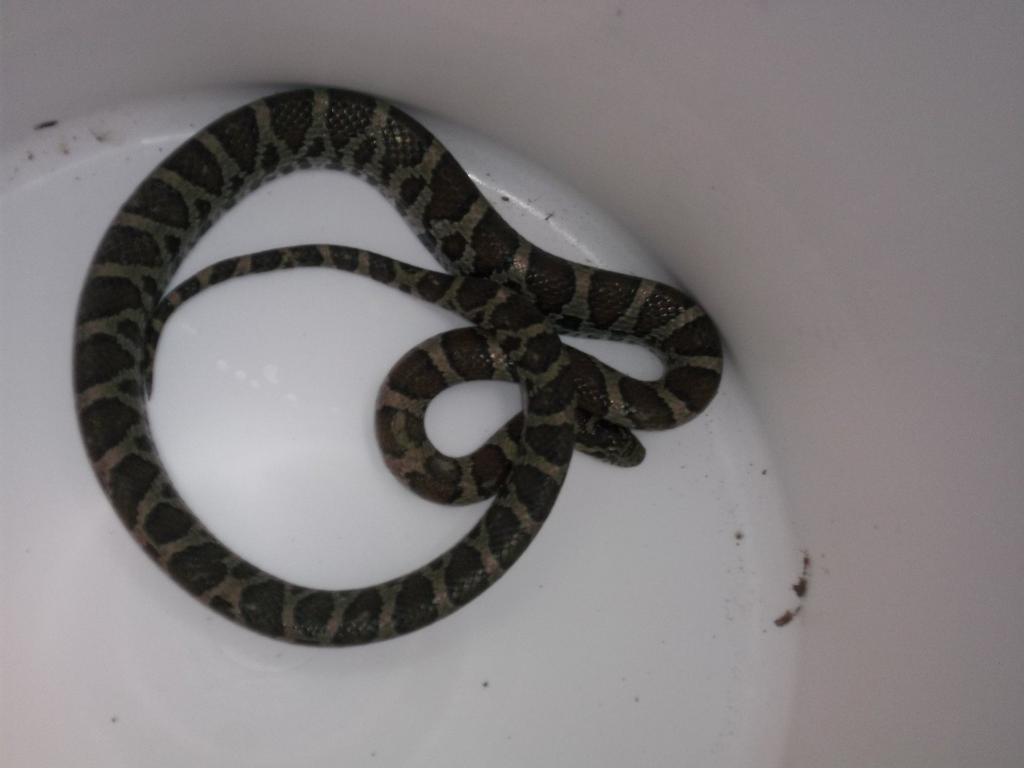
Snake Removal in Woodbury, CT
Snakes are commonly found in Woodbury around stone walls, woodpiles, basements, and older foundations where gaps and voids provide shelter. These areas are especially common on rural properties and around historic homes.
In most cases, snake activity is tied directly to rodent presence. If mice or other prey animals are living in or around the structure, snakes will follow and use the same entry points to get inside basements, crawlspaces, and wall voids.
Most snake issues in Woodbury are not just about the snake itself — they indicate a larger problem with openings in the structure or an active food source nearby. If those conditions aren’t corrected, snake activity will continue.
Snake activity is especially common in:
- Properties with stone walls or rock landscaping
- Homes with basements or crawlspace gaps
- Woodpiles, sheds, and debris near the structure
- Areas with known rodent activity
For more information, see our
<a href=”/snake-removal-litchfield-county/”>snake removal in Litchfield County</a> service page.
What Snake Removal Involves
- Inspection to locate access points and contributing conditions
- Safe removal when necessary based on situation
- Sealing of structural gaps and entry points
- Identification and reduction of rodent activity
- Habitat recommendations to make the property less attractive
Long-term snake control depends on removing the conditions that attract them — not just the snake itself.
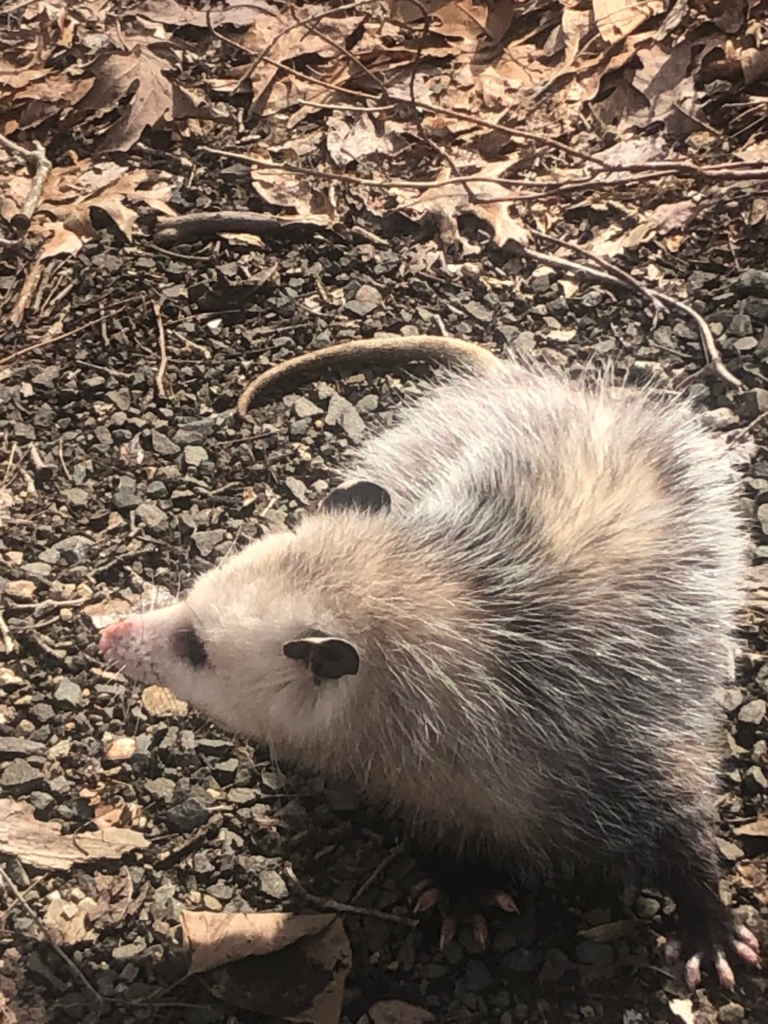
Opossum Removal in Woodbury, CT
Opossums are common in Woodbury and frequently take shelter under decks, sheds, porches, and crawlspaces. These areas provide dark, protected spaces that are easy for them to access and reuse.
Most opossum problems start when an animal finds an opening beneath a structure. Once inside, they will continue using the space for shelter and may return repeatedly if the access point is left open.
In some cases, opossums can create odor issues, disturb insulation, or attract other wildlife to the same area. While generally less destructive than other animals, they still create ongoing nuisance problems if not addressed properly.
Opossum activity is especially common in:
- Homes with open space under decks or sheds
- Crawlspaces with unsecured access points
- Properties with nearby food sources or wooded cover
For more information, see our
<a href=”/opossum-removal-litchfield-county/”>opossum removal in Litchfield County</a> service page.
What Opossum Removal Involves
- Inspection of den areas and access points
- Humane trapping and removal
- Sealing of entry points under decks, sheds, and crawlspaces
- Reinforcement to prevent re-entry
- Prevention strategies to reduce future activity
Proper opossum removal focuses on closing off the structure, so the problem doesn’t return.
Local Emergency & Health Contacts in Woodbury
If you have an animal bite or possible rabies exposure, contact your local health department or 911 immediately.
- Woodbury Animal Control
- Connecticut DPH Rabies Program – (860) 509-7994
Important: If a bat is found in a room with someone sleeping, it should be captured for testing — do not release it.
Call or text Housatonic Valley Wildlife Control at 860-318-1778 for wildlife removal in Woodbury.
Wildlife Removal Near Woodbury, CT
Wildlife Removal Questions in Woodbury, CT
What wildlife problems are most common in Woodbury, CT?
Woodchucks and beavers are among the most common issues in Woodbury due to the area’s stone walls, farmland, and water systems. Woodchucks cause structural damage by burrowing under foundations and walls, while beavers create flooding by blocking streams, culverts, and drainage areas.
Do you handle woodchucks digging under foundations and stone walls?
Yes — woodchucks frequently tunnel beneath structures in Woodbury, creating voids that can lead to shifting or collapse. See our woodchuck removal in Litchfield County service for full burrow inspection, removal, and structural protection.
Can you stop flooding caused by beavers?
Yes — we provide beaver trapping and flooding control to remove active beavers and restore proper water flow before the problem spreads further.
Why do animals keep getting into my attic?
Most wildlife enters through roofline gaps, soffits, vents, or uncapped chimneys. If these openings are not fully sealed, animals will return or new ones will move in — often creating more damage each time.
Is wildlife removal in Connecticut regulated?
Yes — wildlife removal must follow Connecticut DEEP regulations. This is especially important for species like bats and beavers, where timing and approved methods are required for safe and legal removal.
Do you remove bats from homes in Woodbury?
Yes — we use exclusion methods to safely remove bat colonies and seal entry points. Learn more about bat removal in Litchfield County and how seasonal restrictions affect timing.
Will wildlife come back after removal?
If entry points are not properly sealed, wildlife will return or new animals will take advantage of the same opening. Long-term control depends on complete exclusion and repairing the areas that allowed access in the first place.
Hearing Noise in the Attic or Seeing Damage Around Your Home?
Raccoons, woodchucks, skunks, and other wildlife don’t leave on their own. Once they get in, the damage continues to spread — and the longer it’s left, the worse it gets.
Call Housatonic Valley Wildlife Control
860-318-1778