
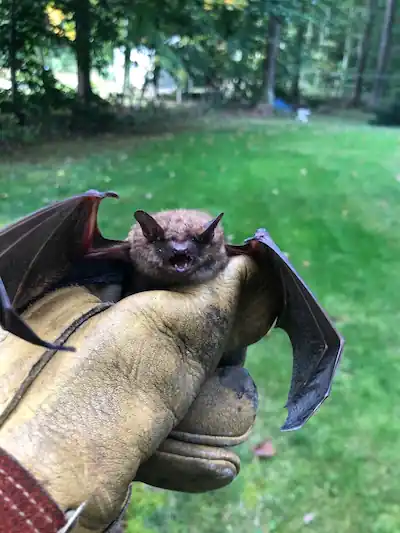
Wildlife problem in Canaan, CT? Including the Canaan area, with its mix of rural properties along the Housatonic River, historic residential neighborhoods, large wooded estates, stone wall properties, and quiet backroads, this region sees consistent high-volume wildlife activity year-round.
Common problems include bats colonizing attics through ridge vents and soffits, skunks denning under decks and porches, raccoons tearing into chimneys and rooflines, squirrels chewing through soffits and gable vents, woodchucks undermining stone walls and foundations, snakes hunting rodents around rock features and basements, and opossums nesting in crawlspaces and sheds.
Wildlife activity is particularly heavy throughout Canaan due to the unique combination of older construction, extensive tree coverage, stone foundations, river proximity, and low-disturbance rural properties. Homes near wooded edges, river corridors, or with aging structures face the most consistent pressure. The Housatonic River valley creates natural wildlife travel routes that funnel animals directly toward residential areas.
Canaan work typically involves complex multi-structure properties — historic homes with multiple rooflines, large estates with barns/outbuildings, rural properties with extensive stone walls, and homes with elevated decks/porches providing ground-level access. These conditions create numerous hidden entry points that wildlife easily exploits.
It’s common to find multiple species active simultaneously. A single property might have squirrels in the attic, skunks under the deck, woodchucks along the foundation, and snakes following rodents — all taking advantage of the same structural weaknesses.
In one recent Canaan situation, a homeowner noticed digging activity and occasional daytime movement near a porch. What seemed unusual turned out to be a skunk family using the open space beneath as a primary den site, with multiple entry/exit points. The homeowner had heard occasional scratching but dismissed it until lawn damage appeared. Upon inspection, additional weak points were found along the foundation and deck supports. Situations like this are extremely common in Canaan, particularly homes with elevated structures and ground-level access.
Proper wildlife control requires complete exclusion — not just animal removal. Identifying ALL entry points across complex rooflines, foundations, and ground-level access is essential. Without comprehensive sealing, animals return and problems multiply.
Wildlife Conditions in Canaan – What Drives Activity
- Proximity to the Housatonic River — supports a wide range of wildlife species
- Mix of residential and rural properties — overlapping habitats
- Porches, decks, and crawlspaces — common denning areas
- Older homes and structures — natural entry points
- Wooded surroundings — easy access routes
Important: Most repeat wildlife problems happen because entry points are not fully sealed or improper materials are used.
Common Wildlife Problems in Canaan Homes
- Burrowing under porches, decks, and sheds
- Entry through rooflines and soffits
- Wildlife moving between wooded areas and structures
- Repeat infestations from incomplete exclusion
- Rodent activity attracting predators
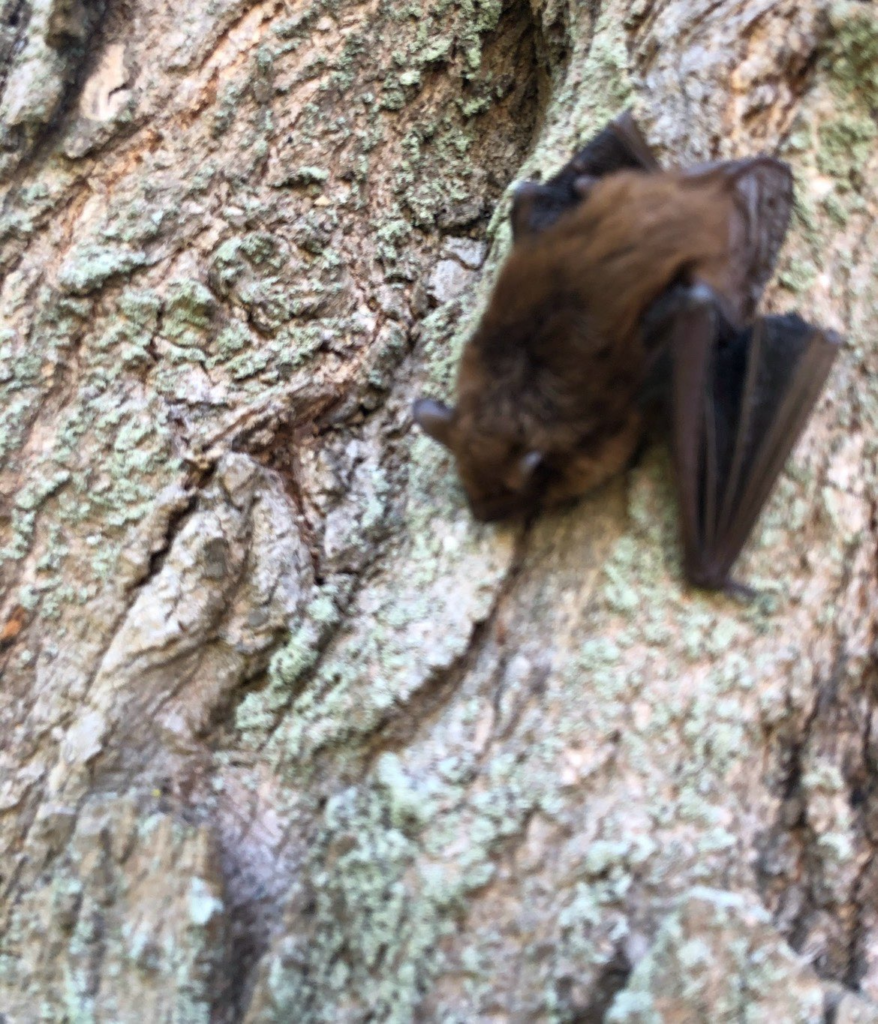
Bat Removal in Canaan, CT
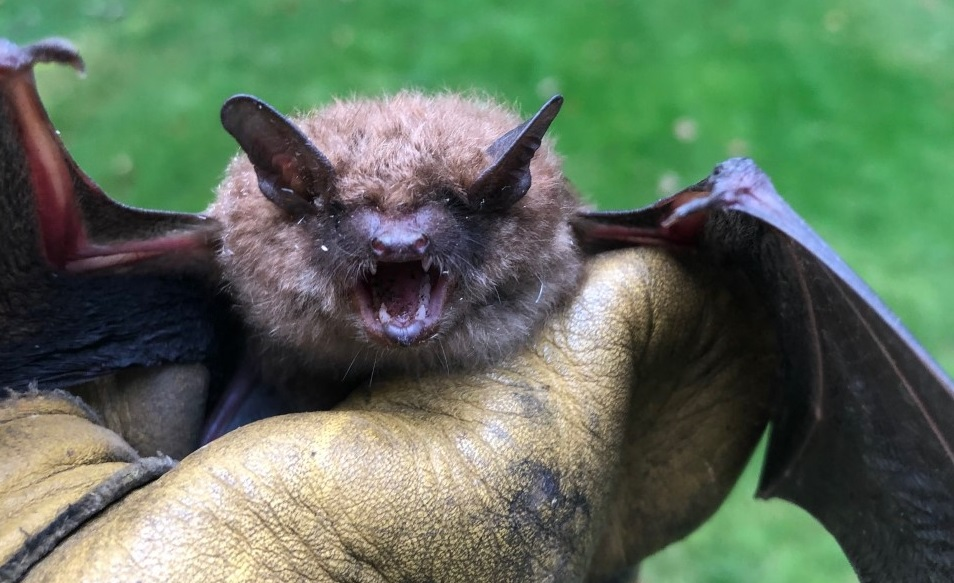
Bats are extremely prevalent throughout Canaan, particularly in older homes, barns, historic properties, and areas with heavy tree cover near the Housatonic River corridor. Canaan’s quiet surroundings and abundant insect populations make it prime bat habitat.
Most Canaan bat problems originate at these common entry points:
- Ridge vents and roof peaks — deteriorated screening or gaps
- Soffit and eave gaps — loose panels and construction joints
- Gable vents and louvers — missing or damaged screening
- Chimney flashing gaps — around masonry chimneys
- Roofline intersections — dormers, returns, and valleys
Bats need only 3/8 inch gaps for entry. Little brown bats (most common) and big brown bats form colonies that return to the same roost sites annually. Colonies of 50-500+ bats create heavy guano accumulation, staining, and strong ammonia odors in attics.
Peak activity occurs late spring (maternity colonies) and late summer (swarming). Bats are federally protected — improper removal timing traps babies inside walls, creating bigger problems.
Learn more about bat removal in Litchfield County.
- Inspection for guano, staining, oil marks, and active entry/exit points
- Seasonal exclusion using one-way valves and exclusion devices
- Guano cleanup, deodorization, and attic restoration (when needed)
- Complete sealing of ALL potential entry points with proper materials
- Prevention measures including vent screening and roofline maintenance
Bat exclusion is the only long-term solution. Trapping or eviction during wrong seasons is illegal and ineffective. Colonies return to the same roost unless every entry is permanently sealed.
Signs include guano piles under eaves, brown attic staining, ammonia odors, oil marks on siding, or visible bats at dusk.
Call or text 860-318-1778 — proper timing is critical for legal, effective bat exclusion.
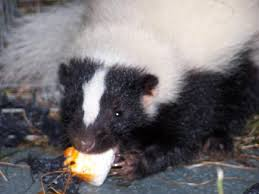
Common Skunk Problems in Canaan, CT
- Strong odor lingering around homes, sheds, and crawlspaces
- Damage to lawns from digging for grubs and insects
- Burrows under decks, foundations, and outbuildings
- Risk of spraying if approached or disturbed
- Potential exposure to rabies and other diseases
In Canaan, skunks are common in both residential and rural settings. Many infestations go unnoticed until the smell becomes obvious or digging appears—by that time, a den is usually active.
For a complete overview of removal and long-term prevention, visit our skunk removal in Litchfield County, CT page.
Skunk Removal & Exclusion
- Inspection to locate active den sites and entry points
- Humane trapping along travel routes and den openings
- Safe removal following Connecticut wildlife regulations
- Sealing and reinforcement to prevent re-entry
- Recommendations to reduce attractants and future activity
Skunk problems don’t fix themselves. If the den isn’t properly removed and sealed, another skunk will move right back into the same location—especially in quiet areas like Canaan.
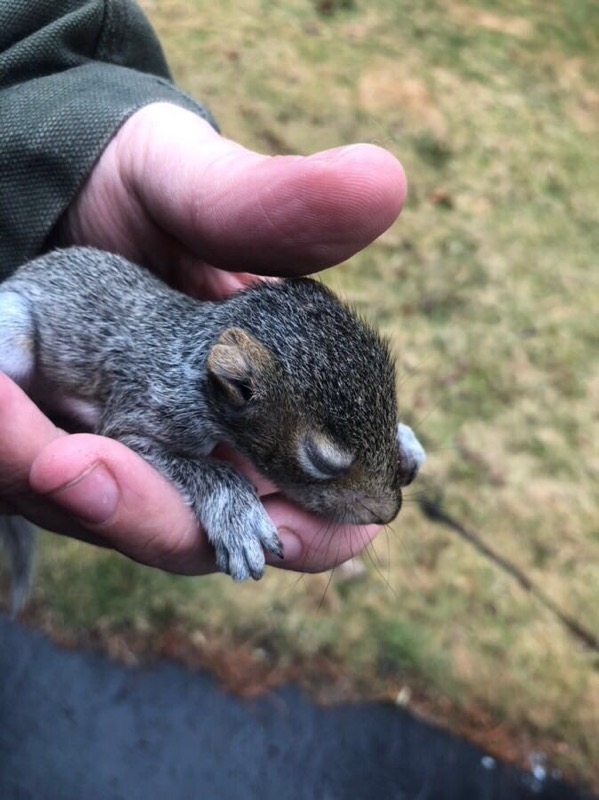
Squirrel Removal in Canaan, CT
Squirrels are extremely active throughout Canaan year-round, with heavy attic activity on homes surrounded by mature trees. The combination of wooded properties, older construction, and quiet residential areas makes this region ideal squirrel habitat.
Both gray squirrels (daytime active) and flying squirrels (nocturnal) are common. Gray squirrels create loud daytime noise in attics. Flying squirrels are quieter but often involve larger groups and can spread through multiple wall voids and attic sections.
Squirrels commonly target these Canaan home features:
- Soffit gaps and fascia boards — chewed or loose panels along rooflines
- Gable vents and attic intakes — screening missing or damaged
- Roof returns and dormers — construction gaps and loose trim
- Chimney surrounds — gaps around flashing and masonry
- Bathroom/ridge vents — unscreened or deteriorated openings
Squirrels don’t use existing openings — they actively chew new entry points. They tear through wood soffits, enlarge vent screening, and chew fascia boards to gain attic access. Once inside, they shred insulation for nesting material, leave heavy droppings, chew structural wood, and can damage electrical wiring.
Peak squirrel activity occurs in early spring (nest building) and late summer/fall (young dispersing and food gathering). Homes with overhanging trees directly touching rooflines see the most consistent problems.
Most infestations start at small openings left unsealed or when chewed entry points are patched with weak materials.
- Inspection for active entry points, chew damage, nests, and travel routes
- Eviction using one-way doors or targeted trapping
- Full cleanup of nests and debris from attic spaces
- Sealing with metal flashing and hardware cloth that squirrels cannot chew through
- Trimming recommendations and prevention to block tree-to-roof access
Squirrels will return to the same entry point if not properly reinforced. Even 1/2 inch gaps will be rediscovered. Proper exclusion requires metal reinforcement and addressing tree overhanging issues.
Listen for daytime attic scratching, rolling noises, nut shells or pine cones in attic, or chewed insulation around vents.
Call or text 860-318-1778 immediately — squirrel damage spreads quickly and they reproduce rapidly if left unaddressed.
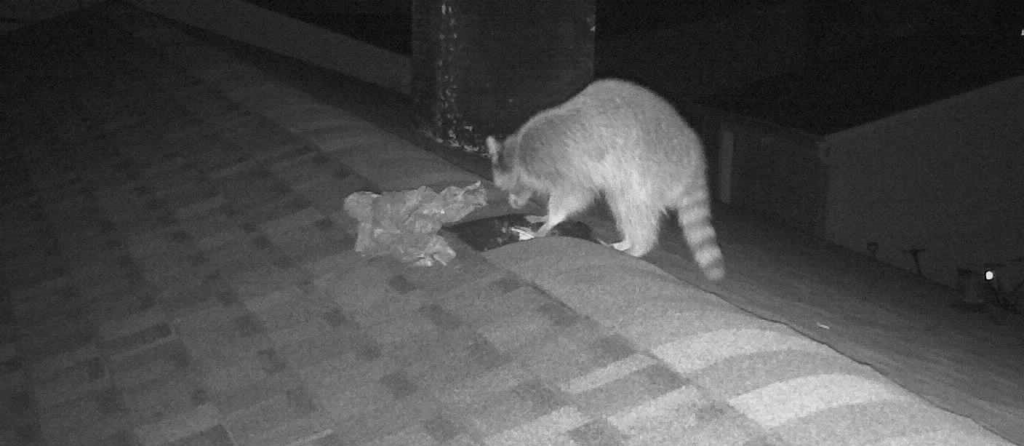
Raccoon Removal in Canaan, CT
Raccoons are extremely common throughout Canaan and regularly target homes, garages, barns, sheds, and outbuildings. The town’s wooded surroundings, rural properties, and quiet residential areas provide ideal habitat, while older construction and complex rooflines give them easy access.
Raccoons most commonly enter Canaan homes through:
- Roofline damage — torn soffits, fascia boards, and roof edges
- Chimney access — missing chimney caps or gaps around flashing
- Attic vents — gable vents, ridge vents, and bathroom exhausts
- Structural gaps — around dormers, roof returns, and construction joints
- Garage and shed roofs — often overlooked secondary entry points
Raccoons don’t just enter — they actively damage structures to gain access. They tear away soffit panels, chew through fascia boards, rip shingles, and enlarge any openings they find. Once inside attics, they build dens, leave heavy feces deposits, tear insulation, and can chew electrical wiring.
In Canaan, raccoon activity peaks during late winter (when females search for denning sites) and late summer (when young disperse from dens). Homes with chimneys, multiple rooflines, or outbuildings see the most consistent problems.
Most break-ins occur along soffits, roof edges, attic vents, and chimney access points.
Learn more about raccoon removal in Litchfield County.
- Detailed inspection for active den sites, entry points, and structural damage
- Humane trapping and safe eviction using proven methods
- Minor damage repair and full exclusion of all identified entry points
- Roofline reinforcement with durable materials raccoons cannot tear through
- Chimney cap installation and prevention measures for long-term control
Raccoons will return to the same property if entry points aren’t properly sealed. Even small gaps around vents, flashing, or rooflines will be rediscovered. Proper exclusion requires identifying and securing ALL potential access points, not just the main entry.
If you hear heavy movement in the attic, chimney knocks, scratching on the roof, or find large feces in the attic, raccoons are likely active.
Call or text 860-318-1778 immediately — raccoon damage worsens quickly and they can chew wiring or tear significant roof damage if left unaddressed.
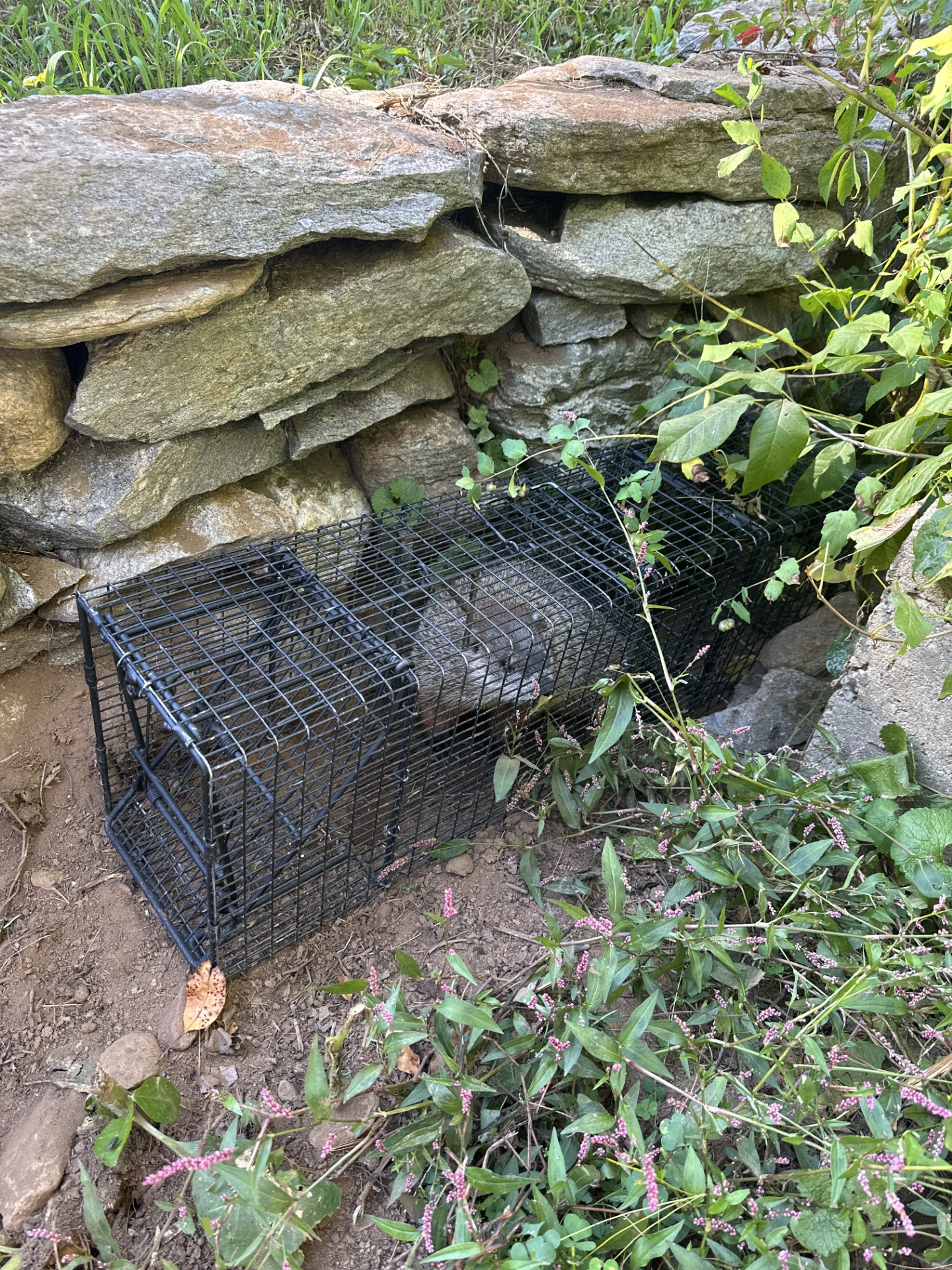
Woodchuck Removal in Canaan, CT
Woodchucks (also called groundhogs) are extremely common around Canaan properties, especially homes with stone walls, rock foundations, open fields, large yards, or rural settings. These animals cause significant structural and landscape damage through extensive burrowing.
Canaan’s stone walls, older foundations, and agricultural surroundings make it prime woodchuck territory. They target:
- Stone walls and rock foundations — undermining stability and creating collapse risks
- Under decks, sheds, and outbuildings — large burrow systems destabilizing structures
- Gardens and landscaped areas — extensive digging for vegetation
- Barn and garage foundations — burrows weakening structural support
- Sheds and wood piles — hidden burrow entrances
Woodchucks dig extensive burrow systems with multiple entrances. A single woodchuck can move 700 pounds of dirt per year. Burrows often go 20-30 feet deep and have 10+ entrance holes. Sinkholes, uneven settling, and foundation damage commonly result.
Peak activity occurs early spring (emerging from hibernation) through late summer. Females with young create even larger burrow systems. Properties backing wooded areas or fields see the worst damage.
Learn more about woodchuck removal in Litchfield County.
- Inspection of all burrow systems, entrance holes, and structural vulnerabilities
- Humane trapping using baited live traps at active entrances
- Burrow collapse and filling to eliminate shelter
- Foundation and stone wall reinforcement to prevent digging
- Landscaping exclusion barriers and prevention measures
Woodchucks will return to the same property and redig burrows if entrances aren’t properly reinforced. Stone walls require special metal mesh barriers. Simple dirt filling doesn’t work — they dig right back out.
Look for large dirt mounds (6-12″ diameter), sinkholes near foundations, undermined stone walls, garden damage, or greasy rub marks on rocks/wood.
Call or text 860-318-1778 immediately — woodchuck burrows cause expensive foundation and wall repairs if ignored.
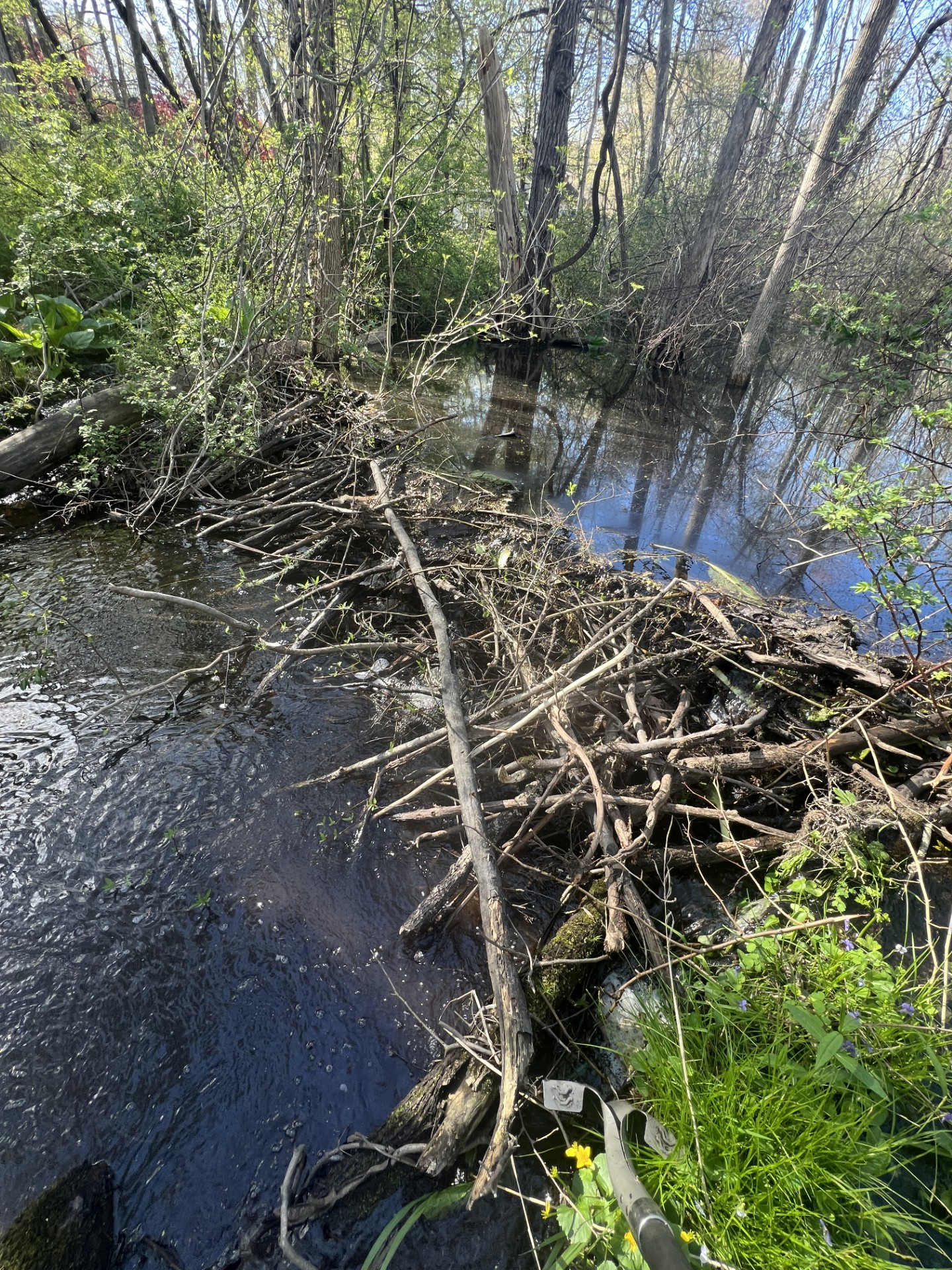
Beaver Trapping in Canaan, CT
Beavers are highly active throughout Canaan, particularly near the Housatonic River, streams, wetlands, ponds, low-lying wooded areas, and properties with water access. These animals cause extensive flooding, tree damage, and property destruction through dam building and aggressive chewing.
Canaan’s Housatonic River proximity, streams, and wetland areas provide perfect beaver habitat. They target:
- >Stream and pond dams — flooding roads, fields, basements, and crawlspaces >Tree destruction — chewing large trees (6-24″ diameter) near water >Road and driveway culverts — dams cause washouts and erosion >Property drainage systems — blocked culverts and ditches >Landscaped trees and ornamentals — expensive mature trees destroyed overnight
A single beaver family can build dams 3-8 feet high and chew down 20-50 trees per season. Flooding can occur rapidly — sometimes within days — backing up into homes, roads, and septic systems. Beaver dams also create stagnant water that breeds mosquitoes and destroys property values.
Peak activity occurs late winter through early summer when beavers repair/expand dams and early fall when new dams are constructed. Properties near flowing water see constant pressure.
Learn more about beaver removal in Litchfield County.
- >Inspection of dams, lodges, travel routes, and bait tree locations >Strategic live trap placement at dam sites and runway trails >Humane removal in compliance with Connecticut beaver regulations >Dam breaching and water flow restoration >Tree protection and prevention measures (wraps, paint, fencing)
Beavers will rebuild dams in the same locations within days if not continuously maintained. Professional trap placement and site-specific prevention are essential. DIY efforts almost always fail due to poor trap location and baiting.
Signs include fresh dams, flooded areas, chewed trees (18-24″ up from ground with 45° angled cuts), greasy rub marks on trees, and lodges in ponds/streams.
Call or text 860-318-1778 immediately — beaver flooding causes thousands in damage and spreads rapidly to neighboring properties.
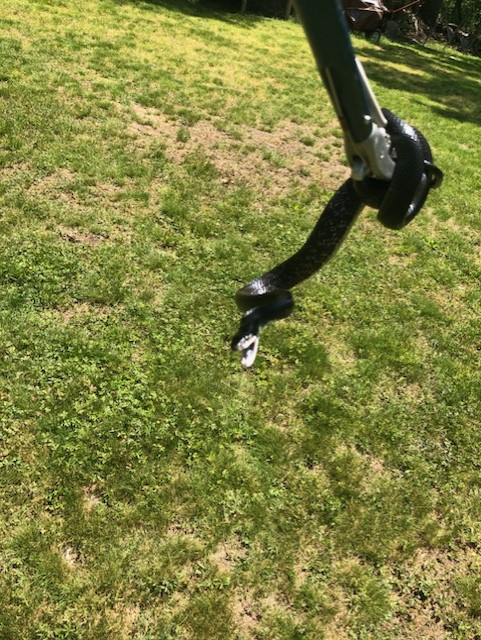
Snake Removal in Canaan, CT
Snakes are very common around Canaan properties, particularly in spring and fall when they seek shelter and hunt rodents. Most encounters occur around stone walls, foundations, wood piles, basements, and crawlspaces.
Canaan’s stone walls, rock foundations, wooded lots, and rural properties create ideal snake habitat. Common species and locations:
- Black rat snakes — stone walls, attics, crawlspaces, hunting rodents
- Garter snakes — gardens, wood piles, foundation landscaping
- Milk snakes — barns, garages, under siding
- Basement/crawlspace entry — through foundation cracks and gaps
- Stone wall dens — hibernating in rock crevices
Snakes follow rodents into homes. Squirrel, mouse, and chipmunk activity creates entry points snakes then exploit. Most indoor sightings occur spring/fall when snakes seek warmth or shelter. Snakes rarely cause damage but create significant homeowner anxiety.
Snake activity peaks:
- Early spring — emerging from hibernation
- Late summer/fall — seeking winter shelter
- Rodent activity peaks — food supply drives snake presence
Snake activity is often tied to rodent presence and structural access points.
- Inspection for snake access points, rodent activity, and hibernation sites
- Safe snake identification and removal when present
- Rodent control to eliminate food source
- Sealing foundation cracks, gaps, and stone wall openings
- Habitat modification — wood pile relocation, landscaping cleanup
Snakes return to the same hibernation sites and rodent hunting grounds. Rodent control is essential — snakes follow the food. Foundation sealing prevents entry during temperature changes.
Signs include snake skins in basements/garages, live sightings near stone walls, musky odor in crawlspaces, or increased rodent activity.
Call or text 860-318-1778 for safe identification and removal — most Canaan snakes are harmless but create understandable concern.
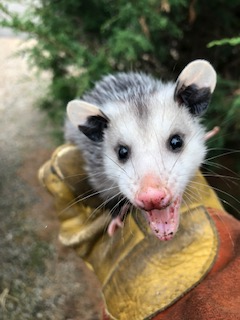
Opossum Removal in Canaan, CT
Opossums are very common around Canaan homes, particularly in residential areas with decks, sheds, crawlspaces, garages, and outbuildings. These nocturnal animals seek dark, protected shelter locations and rarely climb to roofs or attics.
Opossums target these Canaan property features:
- Under decks and stairs — dark, protected nesting areas
- Crawlspaces and foundation gaps — easy access, undisturbed shelter
- Sheds and outbuildings — gaps under siding or doors
- Porches and stoops — beneath structures, protected from weather
- Garbage areas and compost piles — food sources nearby
Opossums don’t chew or cause structural damage, but create significant issues through:
- Heavy feces deposits — large amounts in sheltered areas
- Foul odors — from feces accumulation and dead opossums
- Attracting predators — raccoons, skunks follow food scraps
- Rabies carrier risk — common disease vector
- Pet conflicts — nighttime fights with dogs/cats
Opossum activity peaks spring through fall, especially near garbage, pet food, or bird feeders. Females with young create longer-term den sites under structures.
Opossums often shelter under decks, sheds, and crawlspaces.
- Inspection of den areas, travel routes, and access points
- Humane trapping using baited live traps
- Complete cleanup of feces and nesting debris
- Exclusion sealing of crawlspaces, decks, and shed gaps
- Garbage management and prevention recommendations
Opossums will return to the same den locations if gaps aren’t sealed. Crawlspace and deck exclusion requires skirting reinforcement and door sweeps. Simply removing the animal results in the same spot being reused.
Signs include heavy feces under structures, foul odors from decks/sheds, nighttime noises under homes, raided garbage cans, or pet agitation at night.
Call or text 860-318-1778 — opossum feces create health hazards and attract other nuisance wildlife.
Local Emergency & Health Contacts in Canaan
- Sharon Health Department (serves Canaan) – (860) 364-0884
- CT Rabies Program – (860) 509-7994
Call or text Housatonic Valley Wildlife Control at 860-318-1778 for wildlife removal in Canaan.
🐾 Canaan Wildlife Problem?
Don’t let animals damage your home!
24/7 Emergency Humane Removal Full Exclusion
Housatonic Valley Wildlife Control • Serving Canaan & Litchfield County
