Bridgewater, with its diverse mix of rural properties, expansive wooded areas, and close proximity to the banks of Lake Lillinonah and the Housatonic River, consistently experiences high levels of wildlife activity. Because these natural corridors provide ideal shelter, our team regularly handles a wide range of nuisance wildlife issues throughout the town—including bats roosting in warm attics, skunks burrowing beneath decks, raccoons entering chimneys, squirrels nesting in vulnerable soffits, woodchucks digging along stone foundations, snakes coiled around rock walls, and opossums taking shelter under sheds and outbuildings.
Wildlife activity is prevalent across all of Bridgewater, but it is especially frequent in heavily wooded residential neighborhoods, lakefront properties, and rural estates. Homes featuring older construction, barns, or unmanaged sheds provide the exact environment that nuisance animals seek for protection, warmth, and easy access to food sources.
Our work in Bridgewater spans the entire spectrum of local property types—from modern lakefront homes to historic farmhouses with large barns and complex stone foundations. These diverse structural conditions often allow wildlife to establish long-term denning and nesting sites unnoticed. Without professional intervention and thorough, multi-point exclusion, these animals will continue to return, leading to structural damage and recurring infestations year after year.
Why Professional Wildlife Control Matters in Bridgewater
In a town like Bridgewater, where the landscape is a natural magnet for wildlife, “quick fixes” rarely work. Professional intervention is essential because animals are highly persistent—if a weakness exists, they will find it. Our approach goes beyond simple removal to ensure your home is no longer a viable target.
- Custom-Fit for Rural Landscapes: We understand the specific wildlife corridors inherent to Bridgewater’s wooded edges. We don’t just treat the symptom; we identify how your specific property layout—barns, sheds, or stone foundations—is being utilized as a long-term den site.
- Industrial-Grade Exclusion: Animals are master chewers. We replace weak, DIY-style patches (like foam or thin mesh) with heavy-gauge steel, reinforced flashing, and custom hardware that is physically impossible for raccoons or squirrels to reopen.
- Humane, DEEP-Compliant Standards: All our removal techniques are fully aligned with Connecticut DEEP regulations. We prioritize humane eviction practices that protect both the animals and your peace of mind, ensuring every step follows state wildlife management laws.
- Prevention-Focused Methodology: We believe the best wildlife removal service is the one that prevents the problem from ever returning. Our focus is on long-term structural integrity rather than temporary, high-turnover fixes.
Common Wildlife Removal Mistakes in Bridgewater
Many homeowners in Bridgewater attempt to handle wildlife problems themselves, only to find the same (or different) animals returning shortly after. Without a professional strategy, wildlife control efforts often fail due to these common technical oversights:
- Sealing Entry Points Prematurely: One of the most dangerous mistakes is sealing a structure while animals are still inside. This leads to trapped, frantic animals that will destroy insulation, chew through wiring, and often die within walls, causing secondary odor and pest issues.
- Utilizing Inadequate Materials: Nuisance wildlife are experts at exploiting weak points. Materials like expanding spray foam, wood trim, or light-duty garden mesh offer no resistance to the constant gnawing of squirrels or the heavy-duty tearing of a raccoon. If a material can be chewed or clawed, it will be.
- Overlooking Secondary Entry Points: Complex home designs—especially those with multiple rooflines, dormers, and eaves—often have “hidden” vulnerabilities. When homeowners seal only the primary hole they’ve seen, the animal simply shifts its activity to a secondary, unsealed entry point nearby.
- Trapping Without Exclusion: Removing an animal through trapping is only half the battle. If the original structural breach—or the underlying environmental “pull”—isn’t permanently sealed and reinforced, your home remains an attractive, vacant den site ready for the next animal to move into.
- Neglecting External Attractants: Wildlife activity is often a symptom of an underlying imbalance. Ignoring attractants, such as unsealed crawlspaces, exposed pet food, or rodent populations that serve as a food source, guarantees that your property will continue to draw in new wildlife.
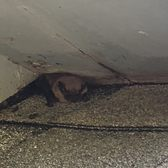
Bat Removal in Bridgewater, CT
Bats are exceptionally common throughout Bridgewater, particularly in homes positioned near the wooded corridors of the Housatonic River and Lake Lillinonah. Because these structures provide safe, warm, and elevated roosting sites, bat colonies often return to the same attics, barns, and wall voids year after year.
Common Entry Points: Bats only require a gap as small as 3/8 of an inch to enter your structure. We frequently discover colonies accessing homes via ridge vents that lack proper screening, warped soffit panels, gaps where the fascia meets the roof deck, and decorative dormer returns. If your home has these features, it may be vulnerable to a bat infestation even if you don’t currently see signs of entry.
- Comprehensive Inspection: We perform a detailed evaluation of your entire building envelope, utilizing thermal imaging and physical inspection to locate every potential entry point, not just the obvious ones.
- Structured Seasonal Exclusion: Bat removal is never a “trap-and-remove” process. We install one-way exclusion devices that allow bats to exit safely to hunt at night while preventing their return. This process must be timed correctly according to state wildlife regulations to ensure the protection of flightless young.
- Guano Remediation: When colonies have resided in an attic for extended periods, significant guano accumulation occurs. We provide specialized cleanup, sanitation, and odor control to restore your attic to a healthy, usable state.
- Structural Sealing & Prevention: Following successful exclusion, we implement a full-structure seal. By reinforcing ridge vents, fascia, and construction joints with durable, bat-proof materials, we ensure the colony cannot regain entry.
Bat exclusion is the only long-term solution. Attempting to seal entry points without a structured one-way exclusion process often results in bats being trapped inside, leading to significant health risks and interior damage. To ensure a permanent resolution, trust our professional, multi-step process.
Learn more about bat removal in Litchfield County.
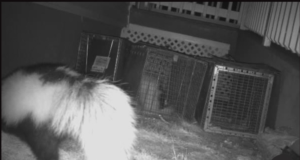
Common Skunk Problems in Bridgewater, CT
- Strong odor around decks, porches, and crawlspaces
- Damage to lawns from digging for grubs and insects
- Burrows under sheds, foundations, and stairs
- Risk of spraying when startled or approached
- Potential exposure to rabies and other diseases
Skunks in Bridgewater often go unnoticed at first, especially in quieter residential and rural areas. Once odor or digging becomes obvious, an active den is usually already established.
For a complete breakdown of removal, trapping, and long-term prevention, visit our skunk removal in Litchfield County, CT page.
Skunk Removal & Exclusion
- Inspection to locate active den sites and entry points
- Humane trapping along travel routes and den openings
- Safe removal following Connecticut regulations
- Sealing and reinforcement to prevent re-entry
- Recommendations to reduce attractants and future activity
Skunk problems don’t resolve on their own. If the den isn’t properly removed and secured, another skunk will move right back into the same location—especially in rural towns like Bridgewater.
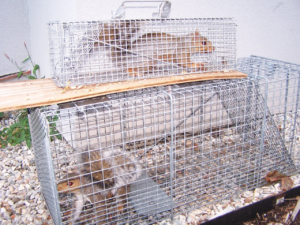
Squirrel Removal in Bridgewater, CT
Squirrels are among the most persistent intruders in Bridgewater homes. Because the town is defined by its mature forest canopy, many properties feature overhanging tree limbs that act as a “bridge,” providing squirrels with direct, effortless access to your roofline. Once they reach the roof, they target vulnerable points like soffits, fascia boards, gable vents, and roof returns.
Beyond just “getting in,” squirrels cause structural damage. They do not just use existing holes; they are master chewers capable of widening gaps and tearing through wood, insulation, and even wiring. When a squirrel chooses your attic for a nest, they bring nesting debris, droppings, and the constant risk of fire from gnawed electrical lines.
- Property-Wide Inspection: We conduct a deep-dive inspection of your roofline, chimney flashing, attic vents, and soffit systems to identify active entry points and evaluate the health of your home’s exterior wood.
- Strategic Eviction: Using professional-grade trapping and one-way door systems, we humanely remove the squirrel population while carefully checking for nesting young, which is critical during spring and late summer breeding seasons.
- Structural Hardening: We seal all entry points using heavy-gauge steel, custom-fitted galvanized metal flashing, and chew-resistant hardware. This creates a permanent barrier that squirrels cannot simply chew through or force open.
- Proactive Prevention: We identify environmental attractants, such as limbs that need trimming or potential feeding areas, and provide actionable recommendations to make your property less attractive to local squirrel populations.
A permanent solution requires more than just removing the squirrel—it requires closing the door behind them. Without professional sealing and structural hardening, a vacant attic is simply an invitation for the next squirrel in the neighborhood to move in.
Learn more about squirrel removal in Litchfield County.
Raccoon Removal in Bridgewater, CT
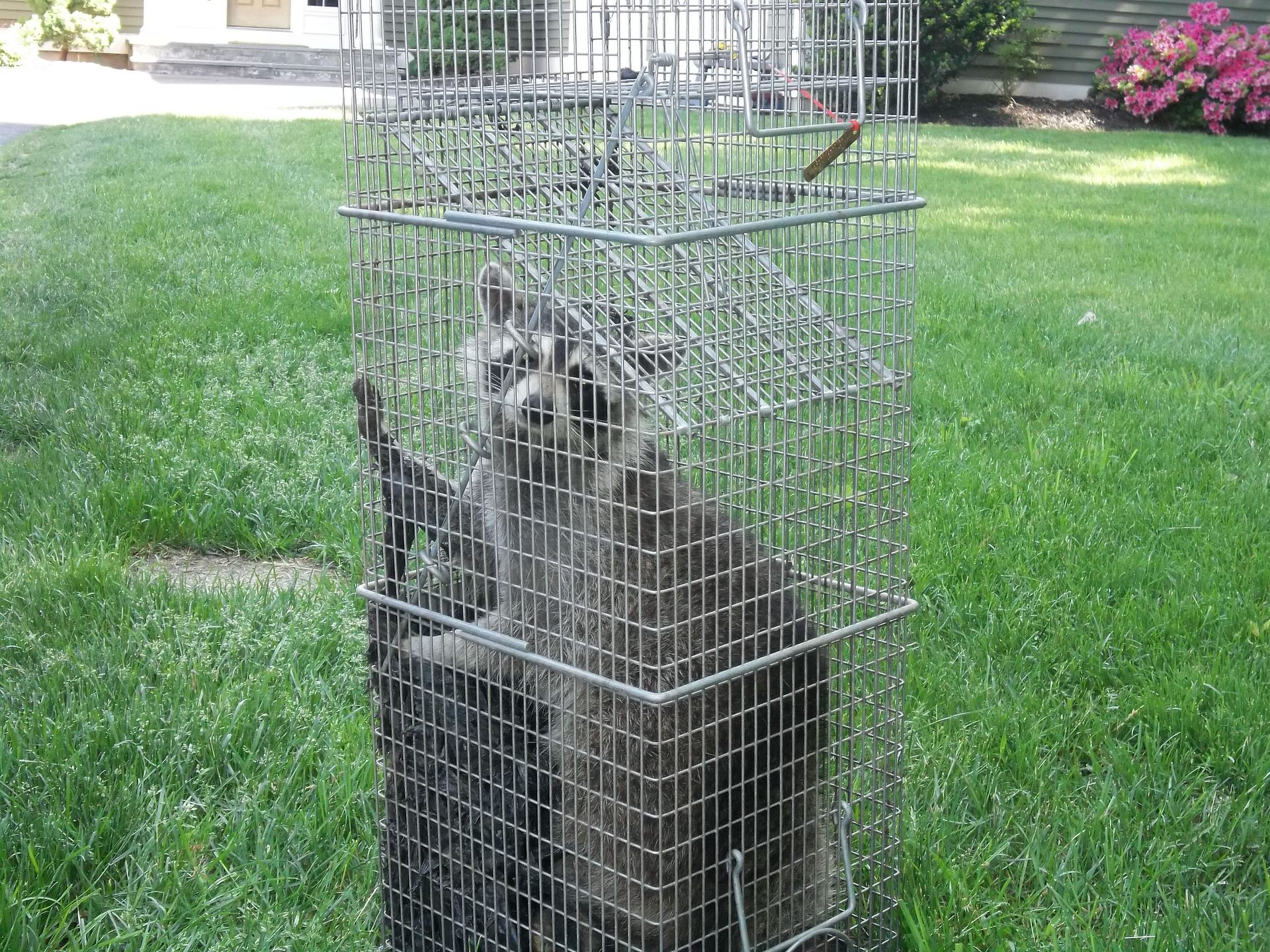
Raccoons are among the most destructive wildlife threats to Bridgewater homeowners. Because they are highly intelligent, possess dexterous “hands,” and are incredibly strong, they can tear through materials that would stop other animals. In Bridgewater, they frequently exploit aging roof edges, soffits, and vulnerable chimney flashing to gain access to attics and wall voids.
A raccoon in your attic is an urgent matter. Beyond the heavy nighttime noise and structural destruction, raccoons contaminate insulation with urine and feces, damage ductwork, and create significant fire hazards. If you suspect a raccoon has established a den, the problem must be addressed immediately—especially if a female has chosen your home to raise her young.
- Precision Den Site Inspection: We locate the primary entry point and, just as importantly, all secondary points of ingress. Raccoons are masters of finding alternate routes, and a single missed gap will lead to recurring issues.
- Humane Trapping & Eviction: We utilize professional-grade trapping techniques designed to humanely resolve the situation. If young are involved, we ensure they are safely accounted for, preventing the trauma of orphaned animals and the subsequent decay odors within your walls.
- Professional Damage Repair & Sealing: Once the animal is removed, we restore the structural integrity of your home. We use heavy-duty steel and custom metal work to reinforce the breach, ensuring no future raccoon can pry the area open again.
- Long-Term Prevention: We evaluate the exterior of your property, recommending the removal of overhanging limbs or attractants that encourage raccoons to visit your roofline in the first place.
Raccoon removal requires experience. Don’t risk DIY methods with an animal that is known for its strength and determination. We provide the expertise to get them out and keep them out for good.
Learn more about raccoon removal in Litchfield County.
Woodchuck Removal in Bridgewater, CT
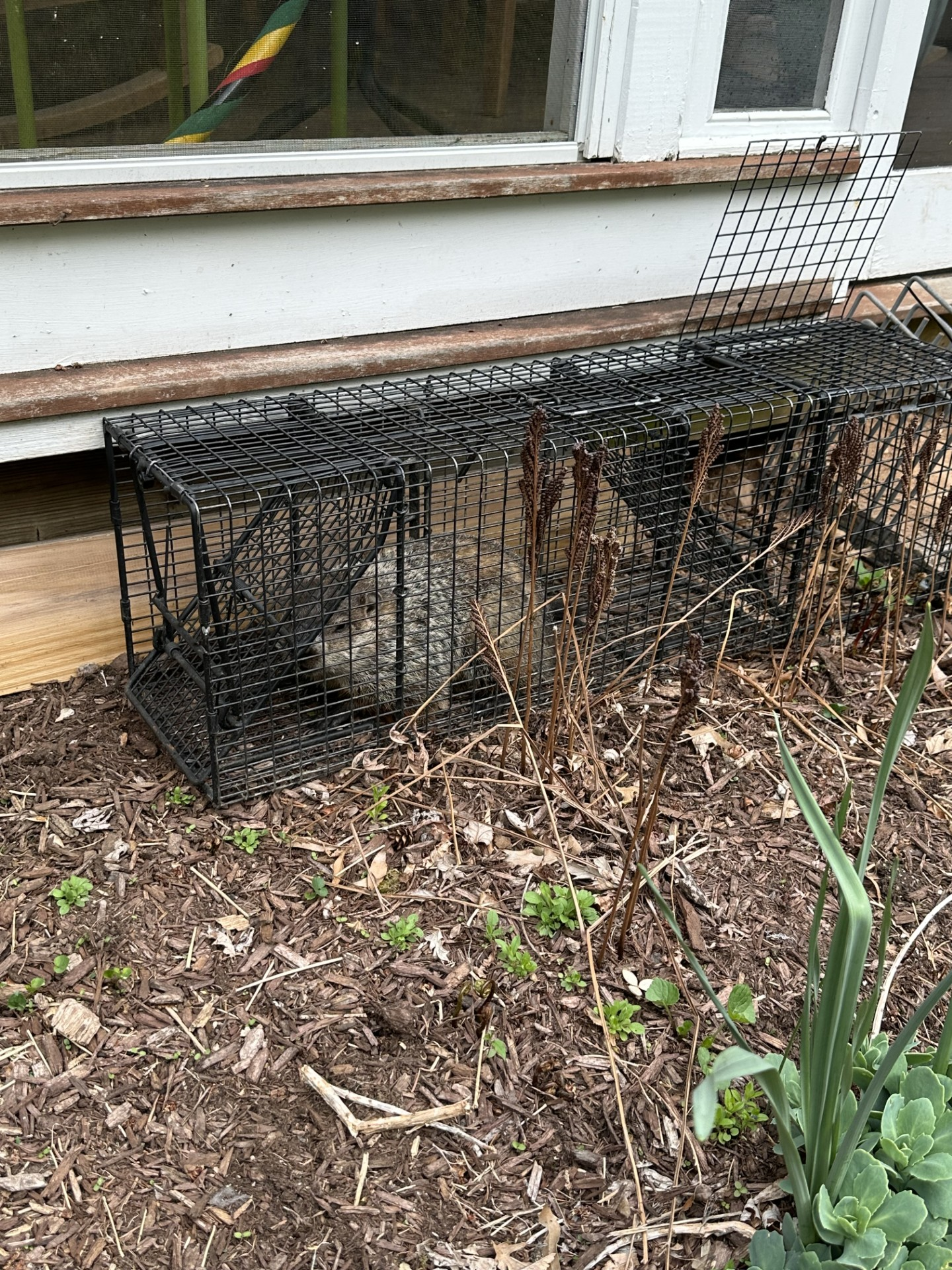
Woodchucks are a common nuisance in Bridgewater, particularly on properties that feature large gardens, stone walls, barns, and open rural space. While they may seem like simple garden visitors, woodchucks are destructive tunnelers. Their burrow systems can extend for many feet, undermining the integrity of your home’s foundation, retaining walls, shed slabs, and walkways.
A single woodchuck burrow is rarely just a single hole. These systems often feature multiple entrances and chambers, meaning the damage beneath the surface is frequently much more extensive than what you see on the lawn. Left unaddressed, these voids can lead to soil settling, cracked foundations, and hazardous ground collapses.
- Property-Wide Inspection: We conduct a thorough inspection to map out the entire burrow system. Identifying every hidden entrance, tunnel path, and travel route is essential to ensure the entire colony is addressed. Humane Trapping & Removal: We utilize specialized, humane trapping methods tailored to woodchuck behavior. By placing traps along primary travel routes and active den openings, we ensure the animal is captured safely and removed from your property. Burrow Remediation & Repair: After the animal is removed, simply leaving the holes open is not enough—the tunnels must be collapsed and backfilled correctly to eliminate underground voids. We restore the ground and repair the structural damage caused by their persistent digging. Structural Prevention: To stop new woodchucks from claiming the site, we install custom trench barriers, heavy-duty wire screening, and foundation reinforcement. These measures effectively “harden” your porch, shed, or foundation against future re-digging.
Don’t wait for your foundation to be compromised. If you notice large mounds of dirt or holes appearing near your home, barns, or outbuildings, contact us for a professional assessment. Effective woodchuck control requires removing the resident animal and permanently sealing their tunnel network.
Learn more about woodchuck removal in Litchfield County.
Beaver Trapping & Flood Control in Bridgewater, CT
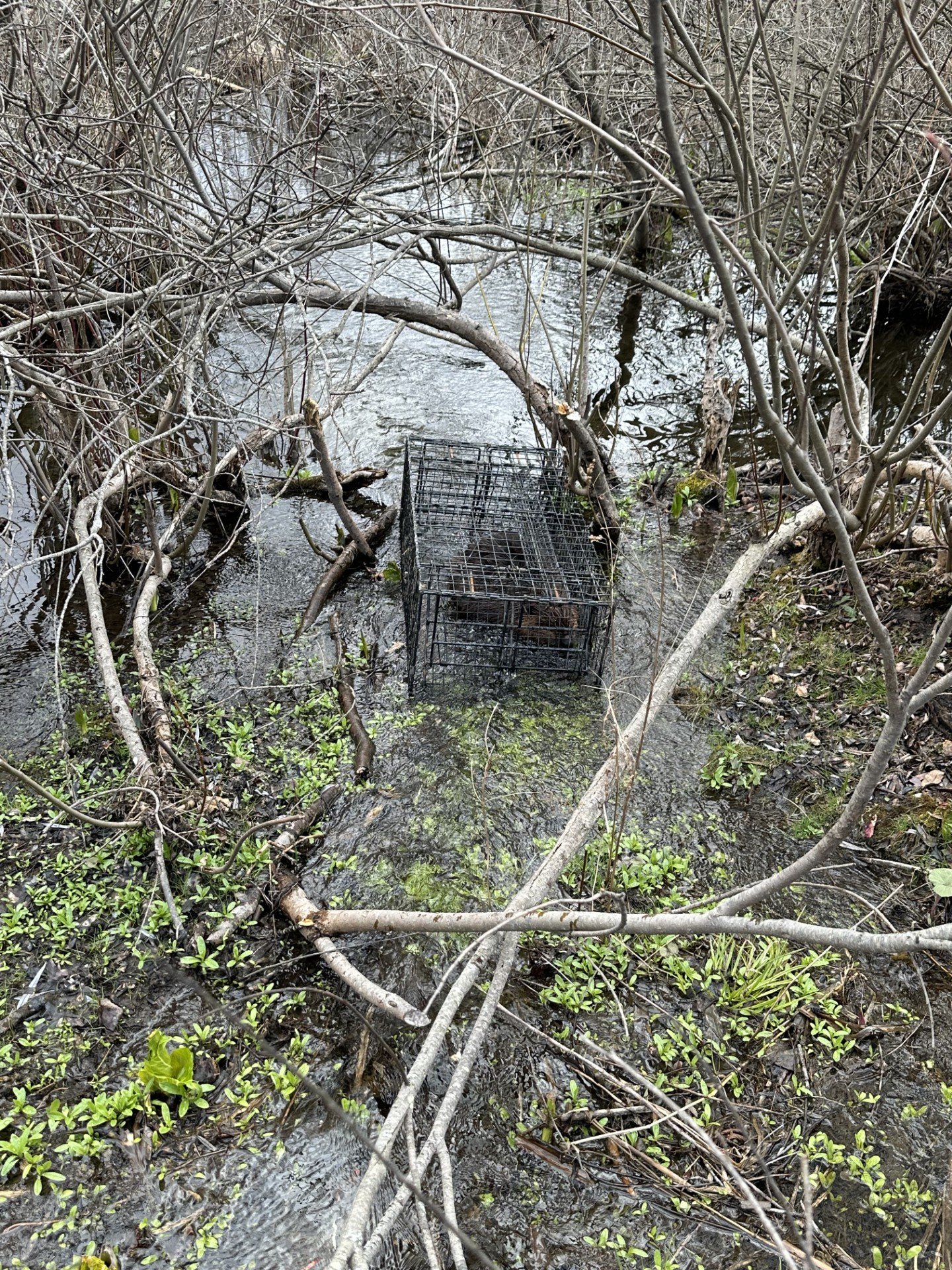
Beaver activity in Bridgewater represents one of the most serious and high-stakes wildlife challenges a property owner can face. With the abundance of streams, wetlands, and water frontage along Lake Lillinonah and the Housatonic River, Bridgewater provides an ideal habitat for beaver colonies. While these animals are a natural part of our ecosystem, their dam-building instinct can quickly lead to devastating results for your property, including rapid flooding, washed-out access roads, compromised septic systems, and the loss of mature, valuable timber.
Beaver problems do not stabilize—they expand. What begins as a small dam can grow overnight, blocking culverts and drainage systems and creating immense hydraulic pressure against infrastructure. Attempting to manually break a dam is often futile and dangerous; beavers will simply rebuild, sometimes in a matter of hours, while the colony continues to thrive.
- Site Evaluation & Hydrology Assessment: We conduct a comprehensive site inspection, mapping out dam locations, lodge sites, bank dens, and underwater travel runs. Understanding how water flows through your land is critical to effective management.
- Strategic, Regulated Trapping: Beaver trapping is highly regulated in Connecticut. We ensure all removal work is conducted in full compliance with DEEP standards and permitting requirements. Our trapping methods are targeted, utilizing deep-water sets to resolve the conflict effectively.
- Flooding Mitigation & Drainage Assessment: We evaluate the impact of beaver activity on your culverts, roadways, and foundations to ensure that once the colony is removed, we provide recommendations to restore proper water flow and mitigate further property damage.
- Long-Term Prevention Strategy: Beyond removal, we provide guidance on habitat modification, such as installing pond-leveling devices or protecting vulnerable trees, to keep your property from becoming a target for future colonies.
Professional planning is mandatory. Incorrect trapping techniques are not only ineffective but can cause beavers to become “trap-shy,” making them significantly more difficult to manage in the future. If you are dealing with flooding or active dam building, do not delay.
Learn more about beaver trapping in Litchfield County.
Snake Removal in Bridgewater, CT
Snakes are commonly found around stone walls, basements, and wooded areas.
Opossum Removal in Bridgewater, CT
Opossums often shelter under decks, sheds, porches, and crawlspaces.
Local Emergency & Health Contacts in Bridgewater
- Bridgewater Animal Control (Regional Services)
- CT Rabies Program – (860) 509-7994
Call or text Housatonic Valley Wildlife Control at 860-318-1778 for wildlife removal in Bridgewater.
