Call or text 860-318-1778 for professional wildlife removal in Washington, CT.
Washington, with its mix of historic homes, large estates, wooded hills, and rural backroads, sees consistent wildlife activity — including bats in attics, skunks under decks, raccoons in chimneys, squirrels in soffits, woodchucks near foundations, snakes around stone walls, and opossums under sheds.
Wildlife activity is especially common throughout Washington, particularly on properties with large acreage, seasonal homes, and houses surrounded by wooded land.
Properties in Washington often include complex rooflines, barns, and multiple outbuildings, creating ideal conditions for wildlife to enter and remain undetected if not properly sealed.
Wildlife Issues Unique to Washington Properties
- Large estates and wooded acreage — ideal habitat for wildlife
- Seasonal homes — problems go unnoticed longer
- Historic construction — hidden entry points
- Stone walls and outbuildings — common nesting areas
- Low human activity zones — long-term infestations
Important: Most repeat wildlife issues occur because entry points are not fully sealed or improper materials are used.
Common Wildlife Control Failures in Washington
- Sealing entry points before animals are removed
- Using weak materials that animals reopen
- Missing hidden entry points on complex structures
- Ignoring barns and secondary buildings
- Focusing on removal without prevention
Bat Removal in Washington, CT
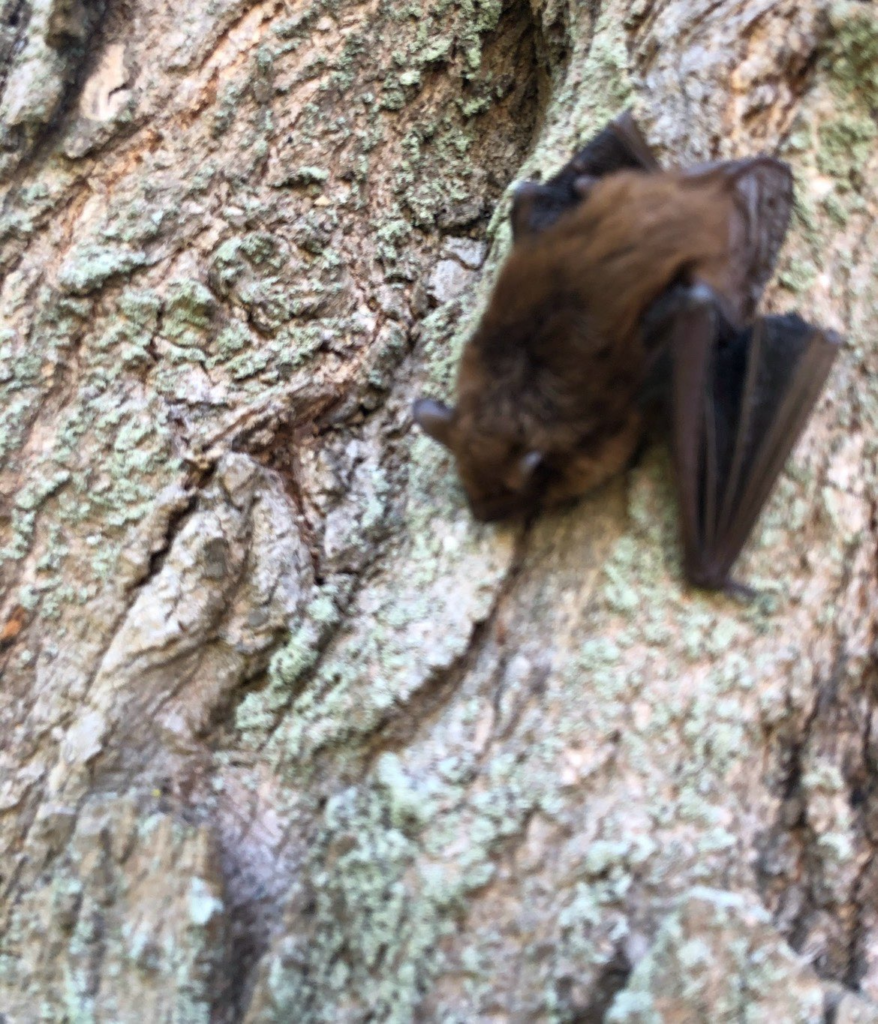
Bats are very common in Washington, especially in older homes, barns, and seasonal properties.
Most bat problems occur along ridge vents, soffits, and roofline gaps. Large homes, aging trim, and complex rooflines create ideal access points that often go unnoticed until staining, guano, or colony noise becomes obvious.
- Inspection for colonies and entry points
- One-way exclusion devices
- Guano cleanup if needed
- Full sealing and prevention
Bat exclusion is the only long-term solution.
Learn more about bat removal in Litchfield County.
Skunk Removal in Washington, CT
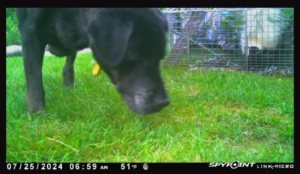
Skunks are common in Washington, especially around decks, sheds, barns, and crawlspaces where they dig in for shelter and easy access to food.
Most skunk problems start when they burrow under a structure and begin digging for grubs in the surrounding lawn. Once established, they will continue using the same den site and can quickly create strong odors around the property.
Common Skunk Problems in Washington
- Strong odor near decks, barns, or crawlspaces
- Lawn damage from digging for grubs and insects
- Burrows under foundations, sheds, and stairs
- Risk of spraying if disturbed
- Potential exposure to rabies and other diseases
Skunks often go unnoticed at first, but once the smell shows up or digging becomes visible, the problem is already established.
skunk removal in Litchfield County, CTSkunk Removal & Exclusion
- Inspection to locate active den sites and entry points
- Humane trapping placed along travel routes and den openings
- Safe removal in accordance with Connecticut regulations
- Sealing and reinforcement to prevent re-entry
- Recommendations to eliminate attractants and reduce future activity
Skunk problems don’t resolve on their own. If the den is not properly addressed and secured, another skunk will move right back into the same spot—especially in quiet, rural areas like Washington.
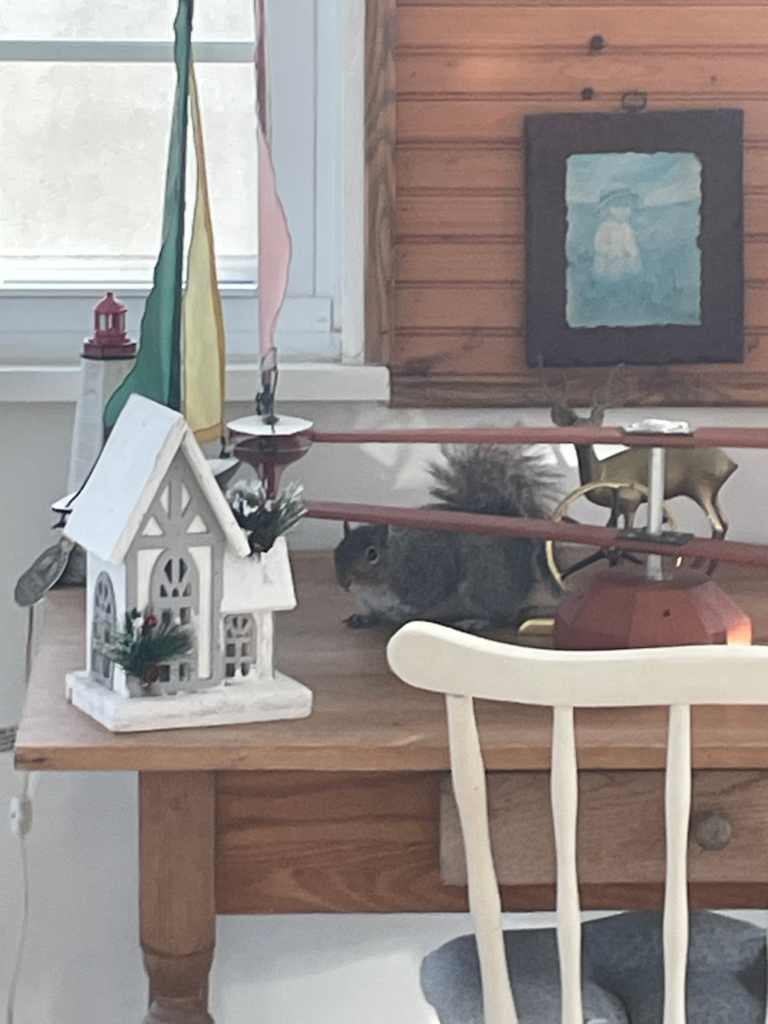
Squirrel Removal in Washington, CT
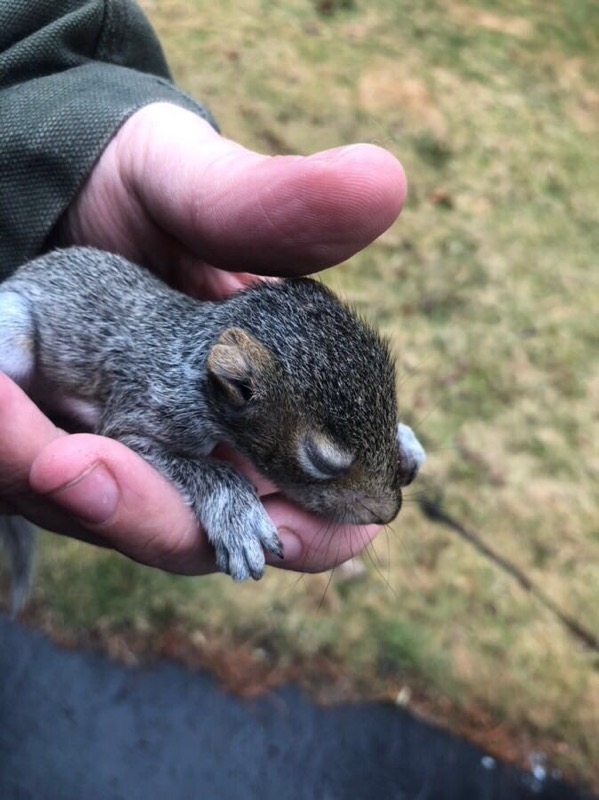
Squirrels frequently enter attics in Washington due to tree coverage, easy roof access, and vulnerable vents, soffits, and trim.
Once inside, squirrels can chew wood, wiring, and insulation while using attics as nesting areas. On larger wooded properties, repeated activity is common if all entry points are not properly sealed.
- Inspection
- Eviction or trapping
- Sealing
- Prevention
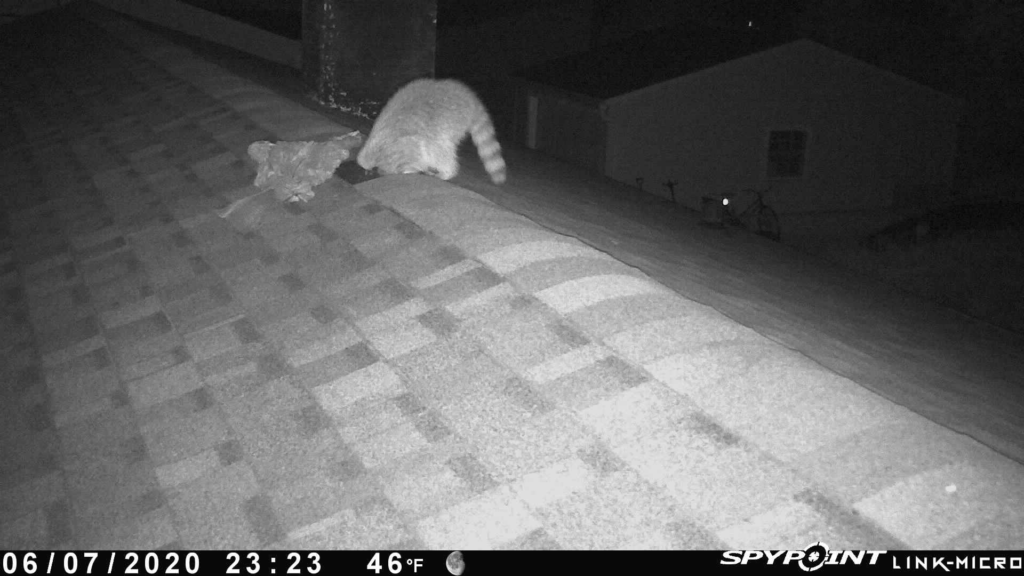
Raccoon Removal in Washington, CT
Raccoons often enter homes through roof edges, soffits, chimneys, and weak construction points on larger homes and outbuildings.
They can cause major damage in a short amount of time, especially when females den with young in attics or chimneys. Once raccoons establish a sheltered spot, they often return unless repairs and exclusion are done correctly.
- Inspection
- Removal
- Repair
- Prevention
Learn more about raccoon removal in Litchfield County.
Woodchuck Removal in Washington, CT
Woodchucks are common around foundations, gardens, and barns in Washington, especially on larger rural and horse properties.
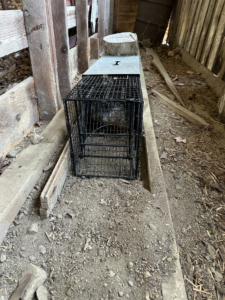
On a recent job in Washington, a woodchuck was removed from a horse property after burrowing near a barn. You could clearly see where it was traveling between the structure and surrounding areas, creating hidden holes right where horses move.
Woodchuck burrows are more than just a nuisance on these properties—they’re a real safety hazard.
Why Woodchuck Burrows Are Dangerous for Horses
- Burrow openings can collapse under a horse’s weight
- Stepping into a hole can cause leg injuries or fractures
- Tunnels weaken ground around barns, fences, and paddocks
- Ongoing digging expands the risk area over time
On horse properties, even one active woodchuck can create multiple entrance holes and underground tunnels, making the ground unstable.
Woodchuck Removal & Burrow Control
- Full inspection of barn areas, fields, and structure edges
- Targeted trapping near active burrows and travel paths
- Safe removal in accordance with Connecticut regulations
- Identification and collapse/repair of active burrow systems
- Recommendations to prevent re-entry and future digging
Woodchuck problems don’t go away on their own. If the burrow system isn’t properly addressed, new animals will move in and reuse the same areas—especially around barns and open land in Washington.
Learn more about woodchuck removal in Litchfield County.
Beaver Trapping in Washington, CT
Beavers are active in Washington, especially near streams, wetlands, and low-lying wooded properties where water access allows dam building and flooding.
Beaver activity can quickly lead to property damage, including flooding, tree loss, and blocked drainage systems.
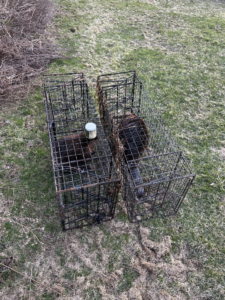
On a recent job in Washington, two beavers created a pond that turned a homeowner’s backyard into standing water. The situation was made more urgent because their dog would regularly break loose and swim in the pond. In this case, live traps were used for safe removal due to the presence of the pet and activity close to the home.
- Site inspection and identification of active beaver areas
- Targeted trapping based on travel routes and dam locations
- Live trapping or standard trapping methods depending on site conditions
- Removal in accordance with Connecticut regulations
- Recommendations to prevent recurring activity
Beaver problems require proper trapping methods and placement. Incorrect setups often fail or make the issue worse. In active areas like Washington, beavers will continue rebuilding and expanding flooding unless the situation is handled correctly from the start.
Learn more about beaver trapping in Litchfield County.
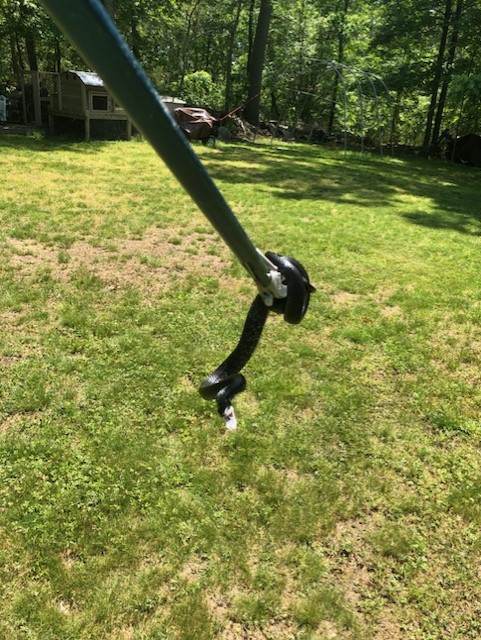
Snake Removal in Washington, CT
Snakes are commonly found around stone walls, woodpiles, basements, barns, and wooded areas in Washington where they have cover and easy access to prey.
Most snake activity is tied directly to rodent presence and structural gaps. If mice or chipmunks are active around a property, snakes will follow. Stone walls, stacked firewood, and older foundations create ideal travel and hiding areas.
Many snake calls in this area involve blacksnakes, which are non-venomous and protected in Connecticut. They cannot be relocated off the property, so the focus is usually on removing them from immediate living areas when necessary and correcting the conditions attracting them in the first place.
- Inspection for entry points, rodent activity, and hiding areas
- Safe removal from interior spaces when needed
- Recommendations to reduce rodent pressure and harborage
- Sealing gaps around foundations, basements, and utility openings
Opossum Removal in Washington, CT
Opossums often shelter under decks, sheds, barns, and crawlspaces, especially on quiet properties with easy access to pet food, garbage, and cover.
While usually less destructive than raccoons, opossums can still create odor issues, drag nesting material under structures, and startle homeowners when they take up shelter close to the house. They often return to the same protected areas if access points are left open.
- Inspection of sheltered denning areas and access points
- Humane removal in accordance with Connecticut regulations
- Screening and reinforcement of vulnerable areas
- Recommendations to reduce attractants and repeat activity
Local Emergency & Health Contacts in Washington
- Washington Health District – (860) 868-0398
- CT Rabies Program – (860) 509-7994
Call or text Housatonic Valley Wildlife Control at 860-318-1778 for wildlife removal in Washington.
