
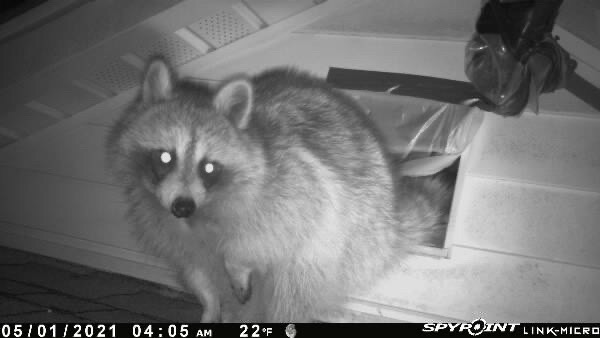
Winchester, including the Winsted area, with its mix of residential neighborhoods, wooded surroundings, and proximity to Highland Lake, sees consistent wildlife activity — including bats in attics, skunks under decks, raccoons in chimneys, squirrels in soffits, woodchucks near foundations, snakes around stone walls, and opossums under sheds.
Housatonic Valley Wildlife Control handles wildlife removal throughout Winchester, where wildlife activity is common, especially in homes near wooded edges, older neighborhoods, and properties with accessible areas under decks and structures.
Properties in Winchester often allow wildlife to move between wooded areas and residential structures, creating repeated entry opportunities if not properly sealed.
Wildlife Patterns in Winchester Properties
- Mix of residential and wooded areas — allows wildlife movement between habitats
- Older neighborhoods — structural gaps and aging materials
- Proximity to Highland Lake — attracts multiple species
- Decks and crawlspaces — common denning areas
- Moderate-density housing — increases pressure on structures
Important: Most repeat problems happen because entry points are not fully sealed or incorrect materials are used.
Common Wildlife Entry Problems in Winchester Homes
- Access under decks, porches, and sheds
- Roofline and soffit entry points
- Movement between nearby structures
- Repeat infestations from incomplete sealing
- Rodent activity attracting predators
Bat Removal in Winchester, CT
Bats are a common issue in Winchester, especially in older homes, barns, and buildings with aging rooflines and structural gaps. The combination of wooded surroundings and low-disturbance properties makes it easy for bats to find entry points and establish colonies without being noticed.
Most bat problems begin along ridge vents, soffits, roof edges, and small construction gaps. These openings may appear minor, but bats can squeeze through extremely small spaces and will return to the same entry point night after night once they find it.
In Winchester, it’s common for colonies to develop in:
- Attics and roofline voids
- Barns and outbuildings
- Wall cavities and enclosed structural spaces
What starts as a few bats can quickly grow into a larger colony. Over time, this leads to guano buildup, strong odors, and contamination of insulation and enclosed areas. Many homeowners don’t realize there is a problem until the infestation is already established.
If handled incorrectly, bat problems can get worse. Sealing entry points without proper exclusion can trap bats inside or force them into other areas of the structure.
What Bat Removal Involves
- Full inspection to locate colonies and all entry points
- Installation of one-way exclusion devices to allow bats to exit safely
- Sealing of all roofline gaps, vents, and structural openings
- Guano cleanup and contamination control (if needed)
- Long-term prevention to stop re-entry
Bat exclusion is the only effective long-term solution. Removing bats without sealing the structure will lead to repeat infestations.
Why Bat Problems Get Worse in Winchester
In rural areas like Winchester, bats have consistent access to structures and return to the same roosting locations year after year. Once a colony is established, activity increases and the problem spreads within the structure.
As conditions worsen:
- Colonies grow in size
- Guano and odor buildup increases
- Additional entry points may be used
- Cleanup and repair costs become higher
Proper exclusion ensures the entire colony is removed safely and the structure is sealed so the problem does not return.
Learn more about bat removal in Litchfield County.
Skunk Removal in Winchester, CT
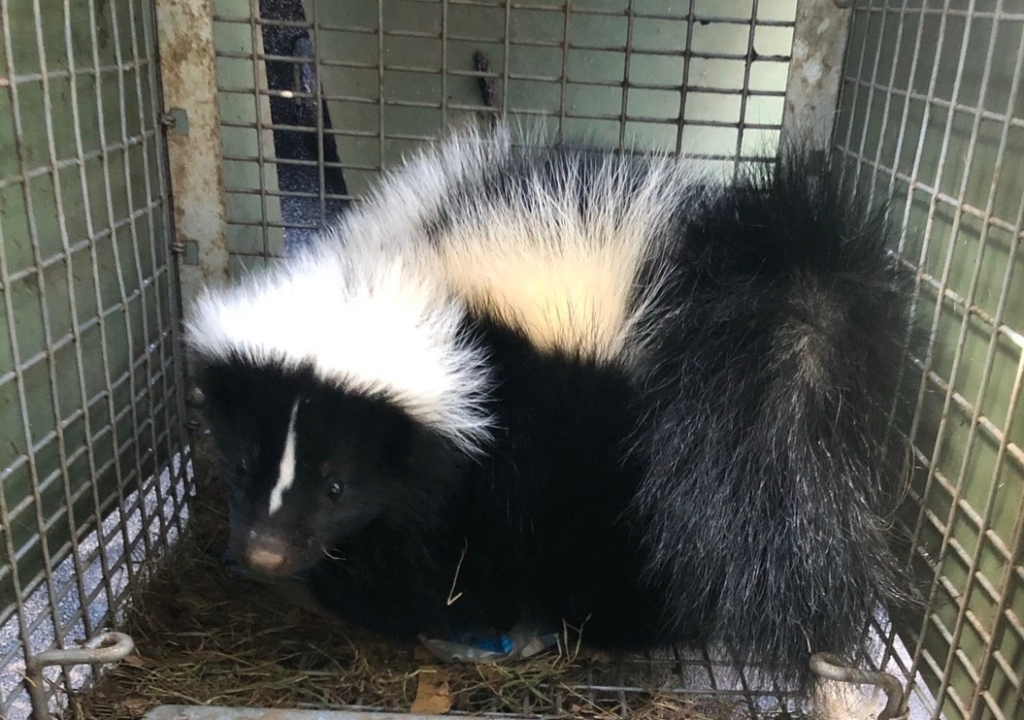
Skunks are a common problem in Winchester, frequently burrowing under decks, sheds, porches, and crawlspaces. Properties with open land, stone walls, and older structures make it easy for skunks to find protected areas where they can dig in and establish a den.
Most skunk problems start with a small burrow opening, but they don’t stay minor. Once a skunk creates a den, it will continue using that space and can expand the area underneath the structure. In many cases, multiple animals will use the same location over time if the access point is left open.
The biggest issue with skunks isn’t just the digging — it’s the odor and contamination that comes with it. Even a single spray can affect large portions of a home or property, and den sites often develop strong, persistent smells that linger in crawlspaces and under structures.
In Winchester, skunk activity is especially common in:
- Homes with open or unsealed areas under decks and sheds
- Crawlspaces with exposed or damaged access points
- Properties with stone walls and landscaped areas
- Rural homes with limited disturbance and easy cover
Skunks will also dig for food, tearing up lawns in search of grubs and insects. This often leads to repeated damage across different areas of the yard.
What Skunk Removal Involves
- Inspection to locate active burrows and den sites
- Confirmation of activity before removal
- Humane trapping and safe removal
- Sealing and reinforcement of access points under structures
- Prevention to stop re-entry and future denning
Proper skunk removal focuses on closing off the den area completely, so it cannot be reused by the same or other animals.
Why Skunk Problems Get Worse in Winchester
In rural areas like Winchester, skunks have plenty of space and cover to move between properties and return to the same den sites. If an opening is not sealed properly, the problem will continue.
As conditions worsen:
- Burrows expand under structures
- Odor becomes stronger and more persistent
- Lawn and landscaping damage increases
- Additional wildlife may use the same den area
What starts as a small burrow can turn into ongoing odor issues and repeated property damage if not handled correctly.
skunk removal in Litchfield County, CT
Skunk Removal & Den Control
- Inspection to locate active burrows
- Humane trapping (no relocation)
- Handling of den areas
- Sealing entry points
- Prevention recommendations
Squirrel Removal in Winchester, CT
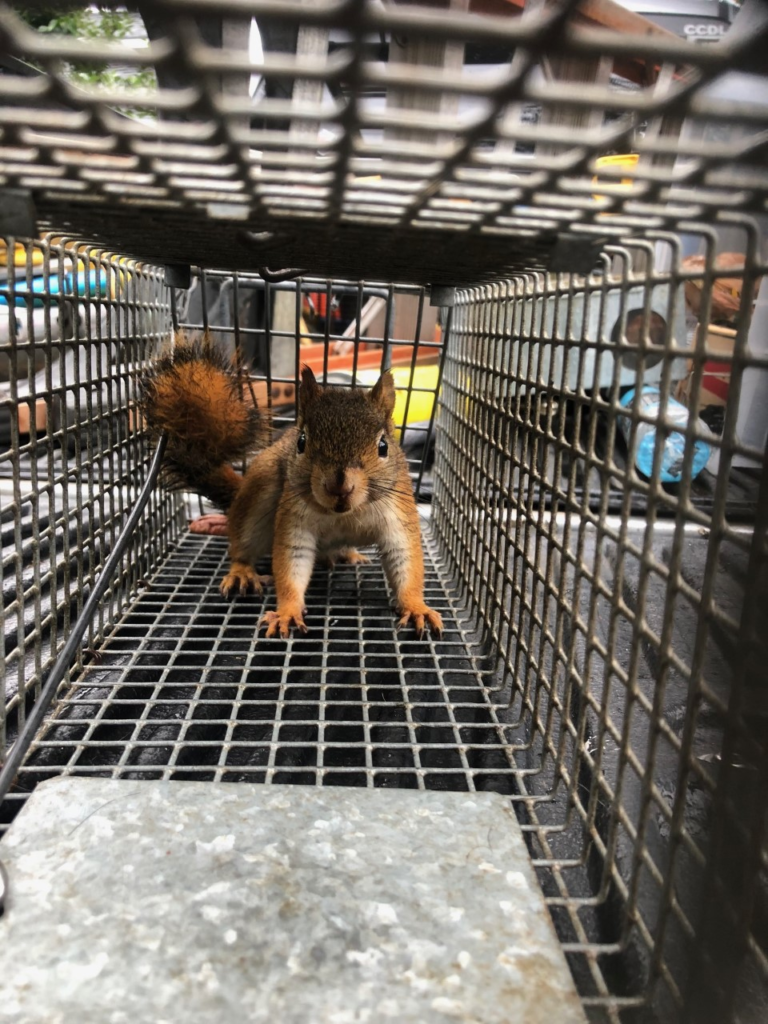
Squirrels are one of the most common attic problems in Winchester, especially in neighborhoods with heavy tree coverage and older homes. Branches hanging over rooflines give squirrels direct access to soffits, fascia boards, vents, and roof edges.
They don’t just find openings — they create them. Squirrels chew through wood, aluminum, and even vent covers to get inside. Once in the attic, they build nests, tear insulation apart, and can chew wiring, creating both structural damage and fire risk.
Most homeowners hear scratching, running, or gnawing during the early morning and late afternoon. By the time noise is noticeable, the entry hole is already established and the attic is being used regularly.
If the entry point isn’t repaired correctly, squirrels will return to the same spot and reopen it within days.
Squirrel Removal & Attic Repair
- Full inspection of rooflines, soffits, vents, and attic spaces
- Identification of active entry holes and nesting areas
- Removal using one-way doors or targeted trapping
- Handling of nesting situations (including young)
- Repair and reinforcement of all entry points
- Prevention to stop repeat infestations
Effective squirrel control isn’t just removal — it’s sealing every access point so the problem doesn’t come back.
Raccoon Removal in Winchester, CT
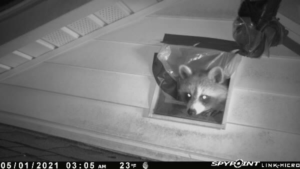
Raccoons are one of the most destructive wildlife problems in Winchester, CT — especially on properties with older construction, barns, and accessible rooflines. They commonly break into homes through soffits, roof edges, and chimneys, but in this area it’s also very common to find them nesting in outbuildings and attic spaces that are not fully sealed.
Most raccoon problems start with a single entry point, but they don’t stay contained. Once inside, raccoons will tear open soffits, rip insulation, and create large den areas in attics or loft spaces. In barns and sheds, they often establish nesting areas that can go unnoticed for long periods, leading to heavy contamination and structural damage.
In Winchester, where many homes are surrounded by wooded areas and sit on larger properties, raccoons have easy access to structures and multiple places to den. It’s also very common for raccoons to use attics or chimneys to raise young, especially in the spring. When this happens, removing the adult without addressing the litter can lead to ongoing noise, odor, and aggressive attempts to re-enter the structure.
Raccoon activity is especially common in:
- Homes with open or damaged soffits and roof edges
- Uncapped or accessible chimneys
- Barns, sheds, and outbuildings with minimal sealing
- Properties near wooded areas with low disturbance
If not handled correctly, raccoons will return to the same entry point or create a new one nearby — often causing more damage each time.
What Raccoon Removal Involves
- Full inspection to locate entry points, nesting areas, and contamination
- Safe removal of raccoons, including handling of young if present
- Sealing and reinforcement of soffits, roof edges, chimneys, and structural gaps
- Cleanup of contaminated attic or loft spaces (if needed)
- Long-term prevention to stop repeat break-ins
Proper raccoon removal is not just about getting them out — it’s about repairing the structure and eliminating access so the problem doesn’t come back.
Why Raccoon Problems Get Worse Fast in Winchester
In rural areas like Winchester, raccoons can move freely between woods, structures, and multiple buildings on the same property. Once they find a reliable den site, they will continue using it and return year after year.
As the problem develops:
- Entry points get torn open larger
- More animals use the same space
- Contamination builds up in attic or loft areas
- Damage spreads beyond the original entry point
What starts as a small break-in can quickly turn into extensive attic damage and ongoing infestation issues.
For more information, see our raccoon removal in Litchfield County service page.
Woodchuck Removal in Winchester, CT
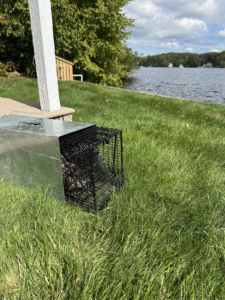
Woodchucks are one of the most damaging wildlife problems in Winchester, CT — especially on properties with stone walls, older foundations, and sloped or uneven terrain. The combination of wooded hillsides, open land, and aging structures makes this area ideal for burrowing.
Most homeowners first notice a single hole, but that’s rarely the full problem. Woodchucks create large, multi-chamber burrow systems that extend deep underground with multiple hidden entrances. In Winchester, these burrows are commonly found running:
- Directly under home foundations
- Beneath stone walls and retaining walls
- Under sheds, barns, and outbuildings
- Along hillsides, patios, and landscaped areas
The real issue isn’t just the animal — it’s the loss of support beneath the structure. As these tunnels expand, they create voids that can cause stone walls to shift, patios to sink, and sections of ground to collapse. On older homes, this can lead to cracks, settling, and long-term structural instability.
In areas like Winchester, where many properties sit on slopes or have exposed foundations, burrowing can spread quickly and affect multiple parts of the property at once.
Woodchuck activity is especially common in:
- Properties with stone walls and older construction
- Homes built into hillsides or uneven terrain
- Sheds, barns, and structures with exposed foundations
- Open land and edges between wooded and cleared areas
Once a burrow system is established, woodchucks will continue expanding it and return year after year. Simply filling the hole or removing one animal does not solve the problem — the tunnel system remains active or gets reused.
What Woodchuck Removal Involves
- Full inspection to locate all burrow entrances and underground activity
- Targeted removal based on how the burrow system is being used
- Collapse and treatment of tunnel systems to prevent reuse
- Protection of foundations, walls, and structures
- Long-term prevention to stop future digging
Effective woodchuck control is not just about removing the animal — it’s about eliminating the burrow system and protecting the structure before the damage spreads further.
Why Woodchuck Problems Get Worse Fast in Winchester
In hillside and rural properties like those found in Winchester, burrow systems expand quickly with little disturbance. What starts as a small hole can turn into a network of tunnels beneath multiple structures and sections of land.
As these tunnels grow:
- Ground becomes unstable
- Additional entrances appear in new locations
- Structural support is compromised
- Repair costs increase significantly
If left untreated, woodchuck damage can lead to widespread structural issues beneath the property. For more information, see our woodchuck removal in Litchfield County service page.
Beaver Trapping in Winchester, CT
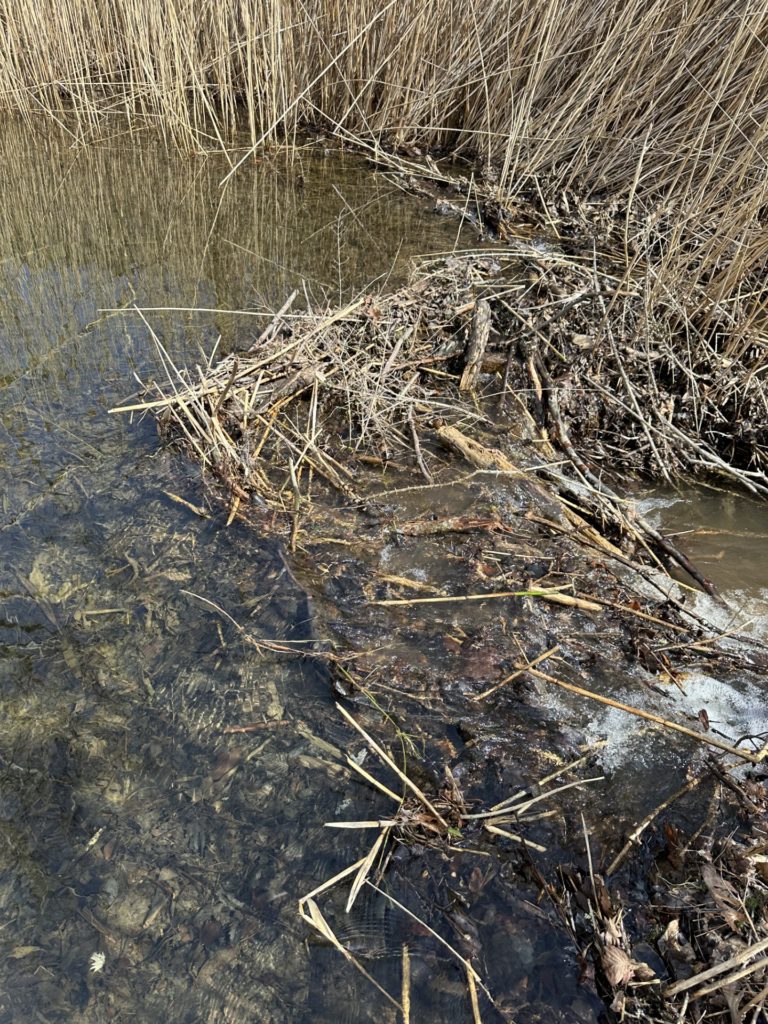
Beavers are a serious and costly problem in Winchester, CT — especially in areas with streams, ponds, wetlands, and low-lying sections of property. The town’s mix of wooded terrain, hillsides, and natural water flow creates ideal conditions for dam building and long-term beaver activity.
Once beavers establish themselves, the problem is not just the animals — it’s the water they control. Even a small dam can back up a large volume of water, and in Winchester, it’s common for water to spread quickly across uneven terrain, flooding areas that were previously dry.
Beaver dams in this area are often found:
- Blocking culverts and roadside drainage systems
- Backing water into yards, wooded areas, and low-lying sections of land
- Flooding driveways, access roads, and trails
- Saturating soil around foundations, sheds, and outbuildings
As water builds, the impact expands. Trees begin to die from prolonged saturation, soil becomes unstable, and drainage systems stop working. What starts as a small blockage can quickly turn into widespread flooding and property damage across multiple areas of the property.
Beaver activity is especially common in Winchester properties with:
- Streams, ponds, or wetlands running through or near the land
- Culverts, drainage pipes, or roadside ditches
- Large wooded areas with minimal disturbance
- Sloped terrain where water naturally collects and spreads
If not handled correctly, beavers will continue maintaining and expanding their dam. Breaking the dam without removing the beavers is only a temporary fix — they will rebuild, often overnight.
What Beaver Trapping & Water Control Involves
- Inspection of active beaver areas, dams, and travel routes
- Identification of how water is backing up and spreading across the property
- Strategic trap placement based on terrain, water flow, and activity patterns
- Licensed removal in accordance with Connecticut regulations
- Controlled opening or reduction of dams to safely relieve pressure
- Restoration of drainage through culverts, ditches, or blocked flow paths
- Long-term strategies to reduce repeat damming in the same location
Effective beaver control in Winchester requires handling both the animals and the water system at the same time. Removing one without addressing the other will not solve the problem.
Why Beaver Problems Escalate Quickly in Winchester
In areas with hills, runoff, and active water flow, beaver problems don’t stay contained — they spread. After heavy rain, water levels can rise quickly and push flooding into new sections of the property.
As conditions worsen:
- Flood zones expand into new areas
- Driveways and access roads begin to wash out
- Septic systems and underground utilities can be affected
- Water pressure builds around structures and foundations
- Repair costs increase as damage spreads
In Winchester, this is not a slow-moving issue. It can escalate rapidly and continue getting worse until both the beavers and the water flow are properly controlled.
For more information, see our beaver trapping and flooding control service page.
Call or text 860-318-1778
Snake Removal in Winchester, CT
Snakes are commonly found in Winchester, especially around stone walls, basements, woodpiles, and older foundations where gaps and voids provide shelter. In this area, the most common species encountered around homes are black snakes (Eastern rat snakes) and milk snakes.
These snakes are non-venomous and generally avoid people, but they will enter homes, basements, and crawlspaces when conditions allow. Most snake activity is tied directly to rodent presence — if mice or other small animals are living in or around the structure, snakes will follow that food source and use the same entry points to get inside.
Black snakes are especially common around barns, sheds, and wooded edges, where they help control rodent populations but can grow large and become noticeable around structures. Milk snakes are often found closer to foundations, stone walls, and basements, where they use tight gaps and cooler areas for shelter.
In Winchester, snake activity is especially common in:
- Properties with stone walls or rock landscaping
- Homes with basements or crawlspace gaps
- Barns, sheds, and outbuildings with rodent activity
- Woodpiles, debris, and shaded areas near the structure
Most snake problems are not just about the snake itself — they indicate:
- Structural gaps or entry points
- Active rodent populations
- Conditions that allow wildlife to move freely around the property
If these conditions are not addressed, snake activity will continue even if one is removed.
What Snake Removal Involves
- Inspection to locate access points and contributing conditions
- Safe removal when necessary
- Sealing of gaps around foundations, basements, and structures
- Identification and reduction of rodent activity
- Recommendations to reduce shelter areas like woodpiles and debris
Long-term snake control depends on eliminating entry points and food sources, not just removing the snake.
Opossum Removal in Winchester, CT
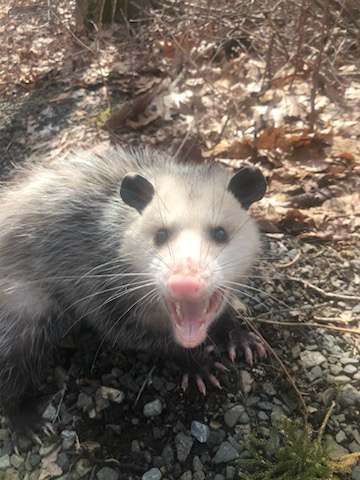
Opossums are common in Winchester and frequently take shelter under decks, porches, sheds, crawlspaces, and barns. On rural properties, they move between wooded areas and structures, using open spaces beneath buildings as protected den sites.
Most opossum problems start when an animal finds an easy access point under a structure. Once inside, they will continue using that space and may return repeatedly if the opening is left unsealed. While they are generally less destructive than some other wildlife, they still create ongoing issues with odor, contamination, and repeated activity.
In Winchester, opossum activity is especially common in:
- Homes with open areas under decks, porches, or sheds
- Crawlspaces with unsecured or damaged access points
- Barns and outbuildings on rural properties
- Properties with nearby food sources and wooded cover
One important concern in this area is the risk to properties with horses. Opossums are known carriers of the parasite linked to Equine Protozoal Myeloencephalitis (EPM). This can spread when horses come into contact with feed, water, or surfaces contaminated by opossum droppings.
For homes with barns or livestock, this makes opossum activity more than just a nuisance — it becomes a potential health risk that should be addressed quickly.
If not handled properly, opossums will continue returning to the same den site or move between structures on the property.
What Opossum Removal Involves
- Inspection of den areas under decks, sheds, crawlspaces, and barns
- Humane trapping and removal
- Sealing of access points to prevent re-entry
- Reinforcement of vulnerable areas beneath structures
- Recommendations to reduce attractants and shelter opportunities
Proper opossum removal focuses on closing off the structure and reducing exposure risks, especially on properties with animals or feed storage.
Local Emergency & Health Contacts
- Torrington Area Health District – (860) 489-0436
- CT Rabies Program – (860) 509-7994
Call or text 860-318-1778 for wildlife removal in Winchester.
