
Kent, known for its scenic hills, dense forest, and proximity to the Housatonic River and Appalachian Trail, sees steady wildlife activity — including bats in attics, skunks under decks, raccoons in chimneys, squirrels in soffits, woodchucks near foundations, snakes around stone walls, and opossums under sheds.
Wildlife issues are frequent throughout Kent, particularly on wooded properties, seasonal homes, and houses with limited surrounding activity.
Work in Kent often involves cabins, second homes, and properties with complex rooflines and natural siding materials. These features make it easier for wildlife to enter unnoticed and remain undetected if not properly addressed.
In one recent situation, a homeowner began hearing light scratching inside the walls during evening hours. What initially seemed minor turned out to be flying squirrels nesting within the wall cavity after entering through a small roofline gap—something we see regularly in wooded areas like Kent.
Why Wildlife Activity Is High in Kent
- Heavy forest coverage — direct access for climbing animals
- Nearby river and water sources — supports multiple species
- Seasonal and low-occupancy homes — problems go unnoticed longer
- Natural building materials — easier access points
- Low-density development — allows infestations to persist
Important: Recurring wildlife problems almost always come down to incomplete sealing or poor material choice.
Typical Wildlife Entry Issues in Kent Homes
- Roofline gaps and soffit openings
- Burrowing beneath decks, sheds, and foundations
- Wall cavity access in wood-sided homes
- Multiple hidden entry points on larger structures
- Rodent presence drawing in larger animals
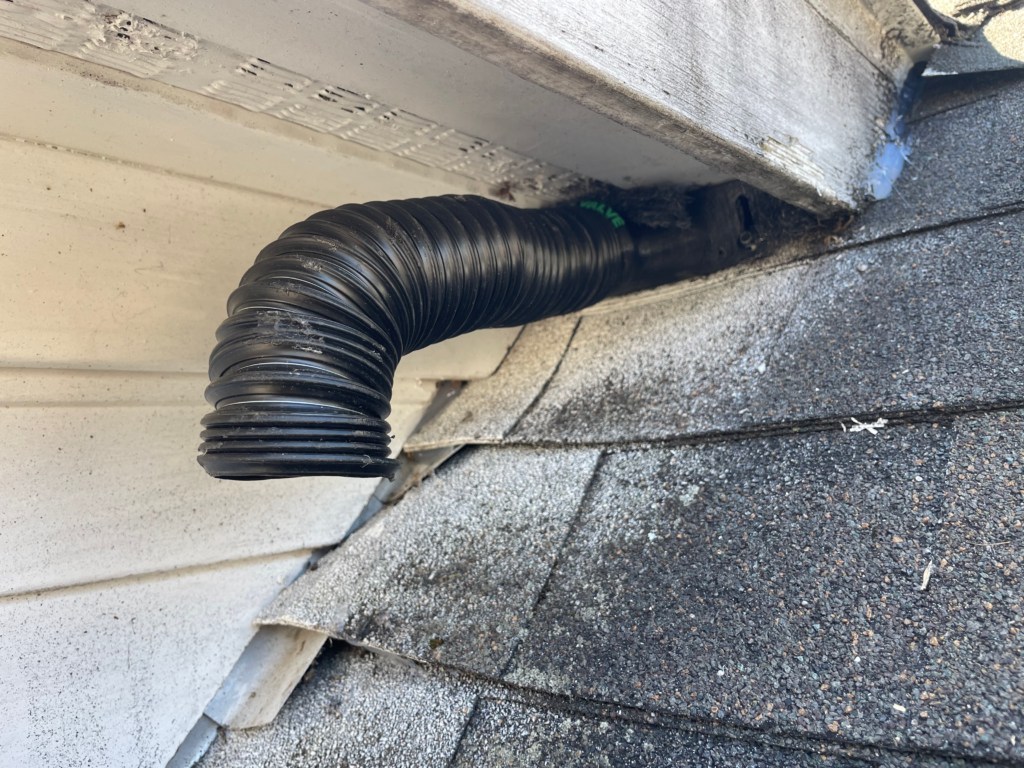
Bat Removal in Kent, CT
Bats are very common in Kent, especially in wooded areas, barns, and older homes with complex rooflines.
Most infestations originate along ridge vents, soffits, and roofline gaps. These openings are often overlooked until staining, odor, or colony noise becomes noticeable.
- Inspection for colony activity and entry points
- Installation of one-way exclusion devices
- Cleanup of guano if necessary
- Sealing of all accessible gaps
Bat exclusion is the only long-term solution. Sealing without proper eviction will trap bats inside and create bigger issues.
Learn more about bat removal in Litchfield County.
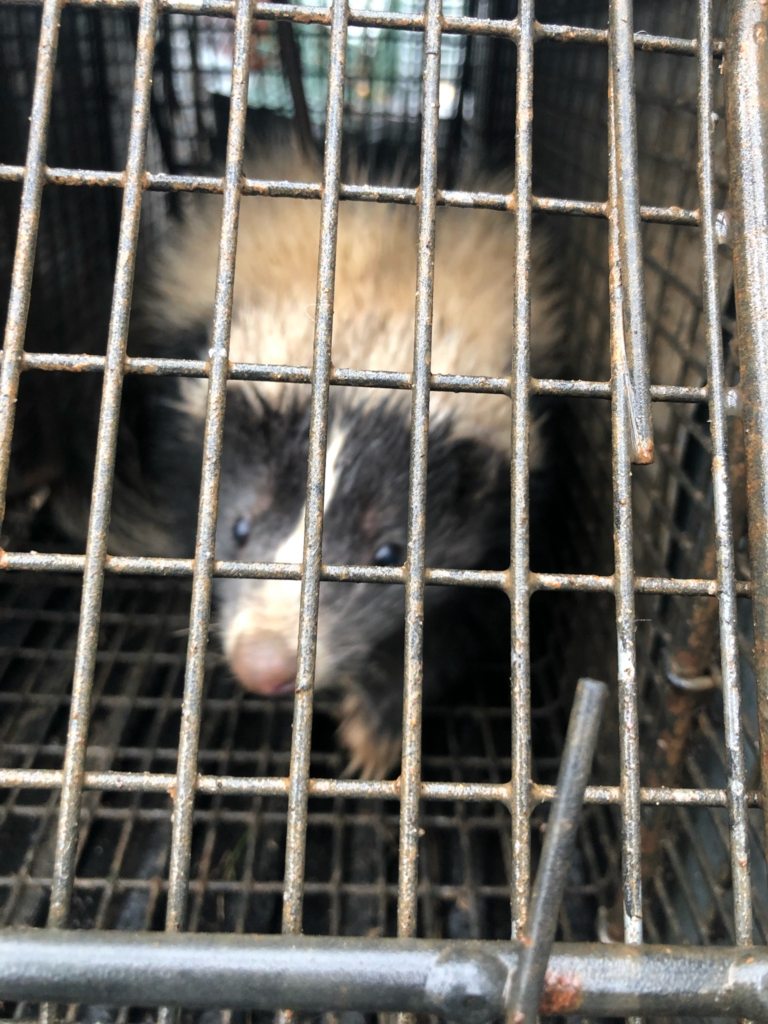
Skunk Removal in Kent, CT
Skunks frequently use decks, sheds, and crawlspaces as den sites in quiet areas like Kent.
Litchfield County skunk removal and exclusionLow-traffic properties allow these issues to develop quickly. Most homeowners don’t realize there’s a problem until odor becomes strong or digging appears around the structure.
- Strong odor around structures
- Burrowing under foundations and decks
- Lawn damage from grub feeding
- Risk of spraying if disturbed
- Inspection for active burrows
- Humane trapping (no relocation per CT law)
- Exclusion and reinforcement
- Prevention measures
Squirrel Removal in Kent, CT
Squirrels frequently enter attics and wall cavities due to heavy tree coverage and easy roof access.
Flying squirrels are especially common in Kent and are often heard at night inside walls or ceilings.
Once inside, squirrels will chew wiring, insulation, and wood while expanding nesting areas.
- Inspection for entry and nesting areas
- Eviction using one-way devices or trapping
- Sealing with durable materials
- Long-term prevention
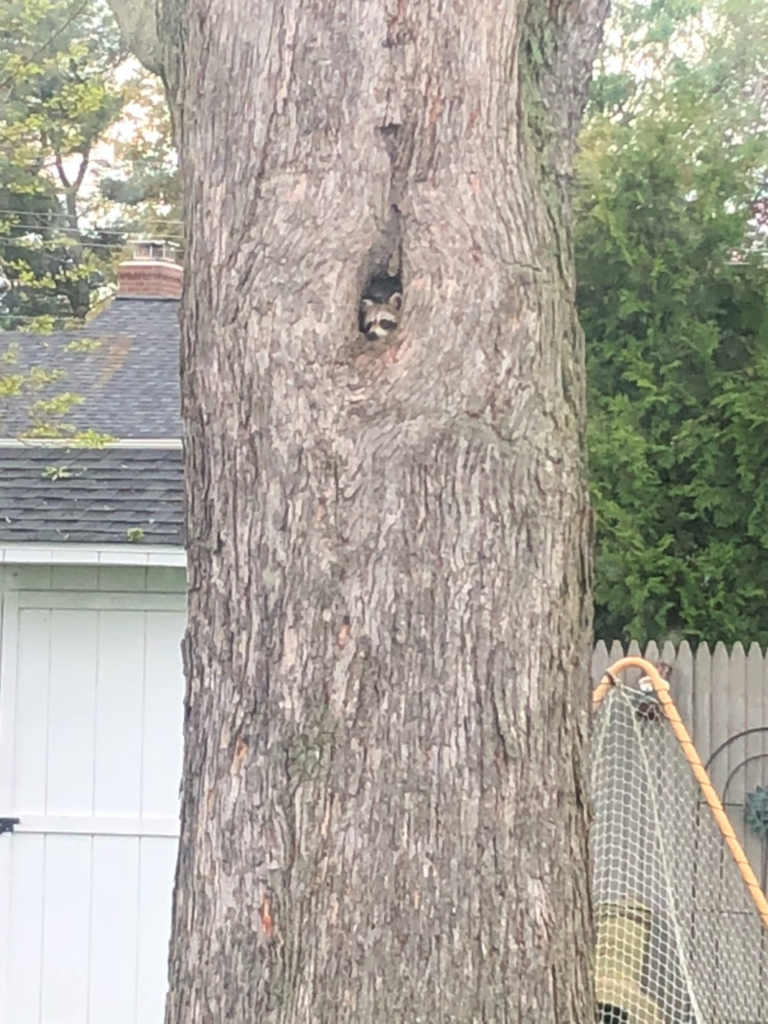
Raccoon Removal in Kent, CT
Raccoons are one of the most damaging wildlife problems in Kent homes.
Entry typically occurs along roof edges, soffits, or chimney openings. Once inside, raccoons can tear insulation, damage wood, and create strong odors.
- Inspection of den sites and access points
- Humane trapping and removal
- Repair and sealing of entry areas
- Preventative reinforcement
Learn more about raccoon removal in Litchfield County.
Woodchuck Removal in Kent, CT
Woodchucks commonly burrow near foundations, stone walls, barns, and open land.
Burrow systems can undermine structures and create hidden hazards—especially on properties with horses or uneven terrain.
- Collapse risk near foundations and walls
- Hidden holes in fields and yards
- Repeated digging if not properly addressed
- Inspection of burrow systems
- Removal
- Burrow collapse and reinforcement
- Prevention
Learn more about woodchuck removal in Litchfield County.
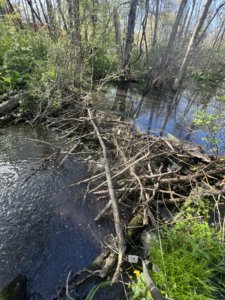
Beaver Trapping in Kent, CT
Beavers are active in Kent, especially near the Housatonic River, streams, and wetland areas where steady water allows dam construction and rapid flooding.
Unchecked beaver activity can quickly turn into major property damage. In one case in Kent, a beaver dam backed up a stream and flooded over 3 acres of a homeowner’s property. Situations like this often build gradually, then reach a point where water levels rise fast and spread far beyond the original stream.
Common Beaver Problems in Kent
- Flooded yards, driveways, and low-lying areas
- Backed-up streams and culverts
- Tree damage along waterlines
- Expanding flooded zones over time
- Rapid dam rebuilding, even after partial removal
Beavers will continue maintaining and expanding dams once established. Simply breaking the dam will not solve the problem—water levels often return just as quickly if the animals are still active.
Beaver Trapping & Removal
- Inspection of active areas, dams, and travel routes
- Identification of runs, slides, and high-traffic locations
- Targeted trap placement based on water flow and site conditions
- Removal following Connecticut regulations
- Recommendations to stabilize the area and reduce repeat activity
Beaver issues require proper setup and placement—improper trapping attempts often fail and allow the flooding to continue. In areas like Kent, where water systems connect across properties, the problem can spread quickly if not handled correctly from the start.
Learn more about beaver removal in Litchfield County.
Snake Removal in Kent, CT
Snakes are commonly found around stone walls, basements, woodpiles, and wooded edges.
Snake activity is usually tied to rodent populations. If mice or chipmunks are present, snakes will follow.
Many sightings involve blacksnakes, which are non-venomous and protected in Connecticut, meaning they cannot be relocated off the property.
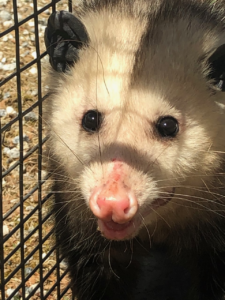
Opossum Removal in Kent, CT
Opossums often shelter beneath decks, sheds, barns, and crawlspaces in Kent, especially on rural and horse properties where food sources and protected cover are easy to find.
They are attracted to pet food, grain, garbage, and sheltered areas, and once they establish a den, they will continue returning unless the access point is properly sealed.
Opossum Risks on Horse Properties (EPM Concern)
On horse properties, opossums are more than just a nuisance. They are known carriers of Equine Protozoal Myeloencephalitis (EPM), a serious neurological disease in horses.
- Opossums spread EPM through contaminated feed, water, or hay
- Droppings left in barns, stalls, or feed areas can expose horses
- Even indirect contamination can create risk over time
For properties with horses, opossum activity around barns and feed storage should be addressed quickly.
Common Opossum Problems in Kent
- Denning under decks, sheds, barns, and crawlspaces
- Mess, odor, and nesting debris buildup
- Access to feed, garbage, and stored materials
- Increased risk to horses and livestock (EPM exposure)
- Repeat activity if entry points are left open
Opossums will often return to the same protected areas if conditions remain favorable.
Opossum Removal & Exclusion
- Inspection of denning areas, barns, and structure edges
- Humane removal in accordance with Connecticut regulations
- Identification and sealing of access points
- Recommendations to secure feed, garbage, and attractants
- Reinforcement of vulnerable areas to prevent re-entry
Opossum problems don’t resolve on their own. If access points and attractants are not addressed, new animals will continue to use the same areas—especially on quiet, rural properties like those common in Kent.
Local Emergency & Health Contacts in Kent
- Sharon Health Department (serves Kent) – (860) 364-0884
- CT Rabies Program – (860) 509-7994
Call or text Housatonic Valley Wildlife Control at 860-318-1778 for wildlife removal in Kent.
Wildlife Removal Near Kent, CT
Kent, known for its scenic hills, dense forest, and proximity to the Housatonic River and Appalachian Trail, sees steady wildlife activity — including bats in attics, skunks under decks, raccoons in chimneys, squirrels in soffits, woodchucks near foundations, snakes around stone walls, and opossums under sheds. Wildlife issues are frequent throughout Kent, particularly on wooded properties, seasonal homes, and houses with limited surrounding activity. Work in Kent often involves cabins, second homes, and properties with complex rooflines and natural siding materials. These features make it easier for wildlife to enter unnoticed and remain undetected if not properly addressed. In one recent situation, a homeowner began hearing light scratching inside the walls during evening hours. What initially seemed minor turned out to be flying squirrels nesting within the wall cavity after entering through a small roofline gap—something we see regularly in wooded areas like Kent.Why Wildlife Activity Is High in Kent
- Heavy forest coverage — direct access for climbing animals
- Nearby river and water sources — supports multiple species
- Seasonal and low-occupancy homes — problems go unnoticed longer
- Natural building materials — easier access points
- Low-density development — allows infestations to persist
Typical Wildlife Entry Issues in Kent Homes
- Roofline gaps and soffit openings
- Burrowing beneath decks, sheds, and foundations
- Wall cavity access in wood-sided homes
- Multiple hidden entry points on larger structures
- Rodent presence drawing in larger animals
Bat Removal in Kent, CT
Bats are very common in Kent, especially in wooded areas, barns, and older homes with complex rooflines.
Most infestations originate along ridge vents, soffits, and roofline gaps. These openings are often overlooked until staining, odor, or colony noise becomes noticeable.
- Inspection for colony activity and entry points
- Installation of one-way exclusion devices
- Cleanup of guano if necessary
- Sealing of all accessible gaps
Bat exclusion is the only long-term solution. Sealing without proper eviction will trap bats inside and create bigger issues.
Learn more about bat removal in Litchfield County.Skunk Removal in Kent, CT
Skunks frequently use decks, sheds, and crawlspaces as den sites in quiet areas like Kent.
Low-traffic properties allow these issues to develop quickly. Most homeowners don’t realize there’s a problem until odor becomes strong or digging appears around the structure.
- Strong odor around structures
- Burrowing under foundations and decks
- Lawn damage from grub feeding
- Risk of spraying if disturbed
- Inspection for active burrows
- Humane trapping (no relocation per CT law)
- Exclusion and reinforcement
- Prevention measures
Squirrel Removal in Kent, CT
Squirrels frequently enter attics and wall cavities due to heavy tree coverage and easy roof access.
Flying squirrels are especially common in Kent and are often heard at night inside walls or ceilings.
Once inside, squirrels will chew wiring, insulation, and wood while expanding nesting areas.
- Inspection for entry and nesting areas
- Eviction using one-way devices or trapping
- Sealing with durable materials
- Long-term prevention
Raccoon Removal in Kent, CT
Raccoons are one of the most damaging wildlife problems in Kent homes.
Entry typically occurs along roof edges, soffits, or chimney openings. Once inside, raccoons can tear insulation, damage wood, and create strong odors.
- Inspection of den sites and access points
- Humane trapping and removal
- Repair and sealing of entry areas
- Preventative reinforcement
Woodchuck Removal in Kent, CT
Woodchucks commonly burrow near foundations, stone walls, barns, and open land.
Burrow systems can undermine structures and create hidden hazards—especially on properties with horses or uneven terrain.
- Collapse risk near foundations and walls
- Hidden holes in fields and yards
- Repeated digging if not properly addressed
- Inspection of burrow systems
- Removal
- Burrow collapse and reinforcement
- Prevention
Beaver Trapping in Kent, CT
Beavers are active in Kent, especially near the Housatonic River, streams, and wetland areas.
Unchecked beaver activity can flood large areas quickly by blocking culverts and building dams that raise water levels.
- Flooded yards and driveways
- Tree damage along waterlines
- Blocked drainage systems
- Rapid dam rebuilding
- Inspection of active areas and travel routes
- Targeted trapping based on site conditions
- Removal following Connecticut regulations
- Recommendations to reduce repeat activity
Beaver issues require proper setup and placement—improper attempts often fail and the damage continues.
Learn more about beaver removal in Litchfield County.Snake Removal in Kent, CT
Snakes are commonly found around stone walls, basements, woodpiles, and wooded edges.
Snake activity is usually tied to rodent populations. If mice or chipmunks are present, snakes will follow.
Many sightings involve blacksnakes, which are non-venomous and protected in Connecticut, meaning they cannot be relocated off the property.
Opossum Removal in Kent, CT
Opossums often shelter beneath decks, sheds, barns, and crawlspaces.
They are attracted to food sources and protected spaces, and will continue returning if access is not sealed.
- Denning under structures
- Mess and odor issues
- Repeat activity if not excluded
Local Emergency & Health Contacts in Kent
- Sharon Health Department (serves Kent) – (860) 364-0884
- CT Rabies Program – (860) 509-7994
