
Wildlife removal in Torrington, CT is driven by a combination of dense neighborhoods, older structures, and surrounding wooded areas that keep animal pressure constant. With the Naugatuck River running through town and wooded edges blending into residential areas, animals like bats, raccoons, squirrels, and skunks move easily between natural habitat and homes.
Many properties in Torrington—including multi-family homes, duplexes, and older houses—have aging rooflines, soffits, and foundations that create long-term access points. Once an animal finds a way in, that same opening often gets reused repeatedly unless it is properly sealed.
It’s common for problems to start outside—garbage disturbance, digging, or visible activity—before turning into a full interior issue. For example, a raccoon may begin foraging around a property and eventually exploit a roofline gap to enter the attic. Situations like this are typical in Torrington, where food sources and structural vulnerabilities exist close together.
If you’re hearing noise in the attic, noticing activity around your home, or seeing damage along the roofline or foundation, the problem is already established. At that point, removal alone will not solve it—the structure needs to be inspected and secured.
Wildlife Pressure in Torrington, CT – Why It’s Different
Torrington has a unique mix of urban density and surrounding natural habitat, which creates steady wildlife movement through residential areas.
- Higher-density housing allows animals to move easily from one structure to another
- Accessible food sources like garbage and pet food attract wildlife
- Older homes and aging materials create long-term entry points
- Multi-family and shared structures increase the complexity of infestations
- Wooded edges and river corridors provide shelter close to residential areas
Most repeat wildlife problems in Torrington happen because entry points are not fully sealed or reinforced with durable materials.
Common Wildlife Issues in Torrington Homes
Wildlife problems in Torrington typically begin with structural vulnerabilities that allow animals to move from the outside environment into the home.
- Entry through rooflines, soffits, and attic vents
- Movement between neighboring homes and shared structures
- Burrowing under decks, porches, and foundation edges
- Repeat infestations caused by incomplete sealing
- Garbage and food sources increasing wildlife activity
If these structural issues are not addressed, wildlife problems will continue and often return in the same locations.
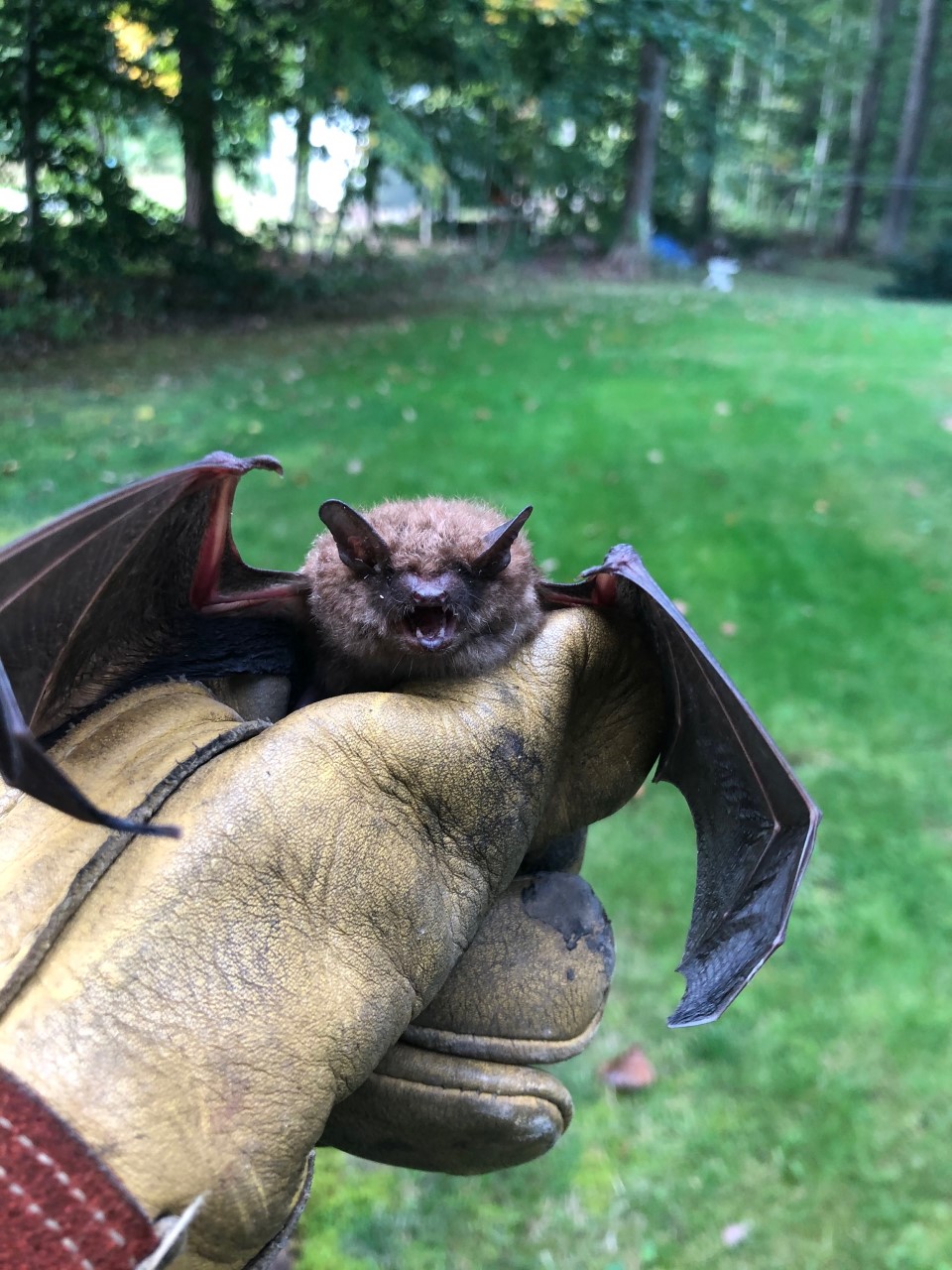
Bat Removal in Torrington CT
Bats are one of the most common long-term wildlife issues in Torrington, especially in older homes, multi-family properties, and structures near the Naugatuck River and wooded edges. These environments create consistent bat movement through the area, with homes becoming reliable roosting sites once an entry point is found.
Most bat infestations begin with a small structural gap—often along ridge vents, soffits, attic vents, or roofline seams. In Torrington, aging construction and tightly spaced homes make these openings more common. Once bats locate a usable gap, they continue using it repeatedly, allowing colonies to establish over time.
We regularly find bats entering Torrington homes through:
- Ridge vents that allow direct attic access
- Soffit gaps along roof edges
- Attic vents and louvered openings
- Roofline seams and siding transitions
Unlike other wildlife, bats often go unnoticed at first. They do not create constant loud noise, which allows colonies to grow quietly while contamination builds. Most homeowners begin to notice subtle indicators:
- Light scratching or fluttering sounds at dusk or early morning
- Dark staining around vents, siding, or rooflines
- Guano accumulation in attic insulation or along exterior walls
- Strong ammonia-like odors developing over time
Guano buildup is a major issue. It accumulates quickly and can contaminate insulation, drywall, and attic airspace, leading to odor problems and unhealthy conditions if left untreated.
Once bats establish a colony in a Torrington structure, they will return year after year. The entry points they use become part of a consistent flight path, and unless those openings are fully sealed, the infestation will continue.
Colony size also increases over time, especially during maternity season. As populations grow, so does the level of contamination and structural impact inside the home.
Bat removal in Torrington requires complete exclusion, not just removal. The process includes:
- Detailed inspection of the roofline and structure
- Identifying all active and secondary entry points
- Installing one-way exclusion devices
- Sealing 100% of the structure to prevent re-entry
- Reinforcing vents, soffits, and vulnerable areas
Partial sealing or addressing only visible gaps will not solve the problem. If even one opening is left accessible, bats will re-enter and continue using the structure.
Timing is also critical. In Connecticut, bats are protected during maternity season when young cannot fly. Exclusion must be performed correctly to avoid trapping bats inside.
In Torrington, bat problems are rarely isolated. Once a structure has been used, it remains a target until it is fully sealed. Without proper exclusion, the issue will repeat and typically become more severe.
For a deeper breakdown of exclusion methods, entry points, and long-term solutions, visit our bat removal Litchfield County page.
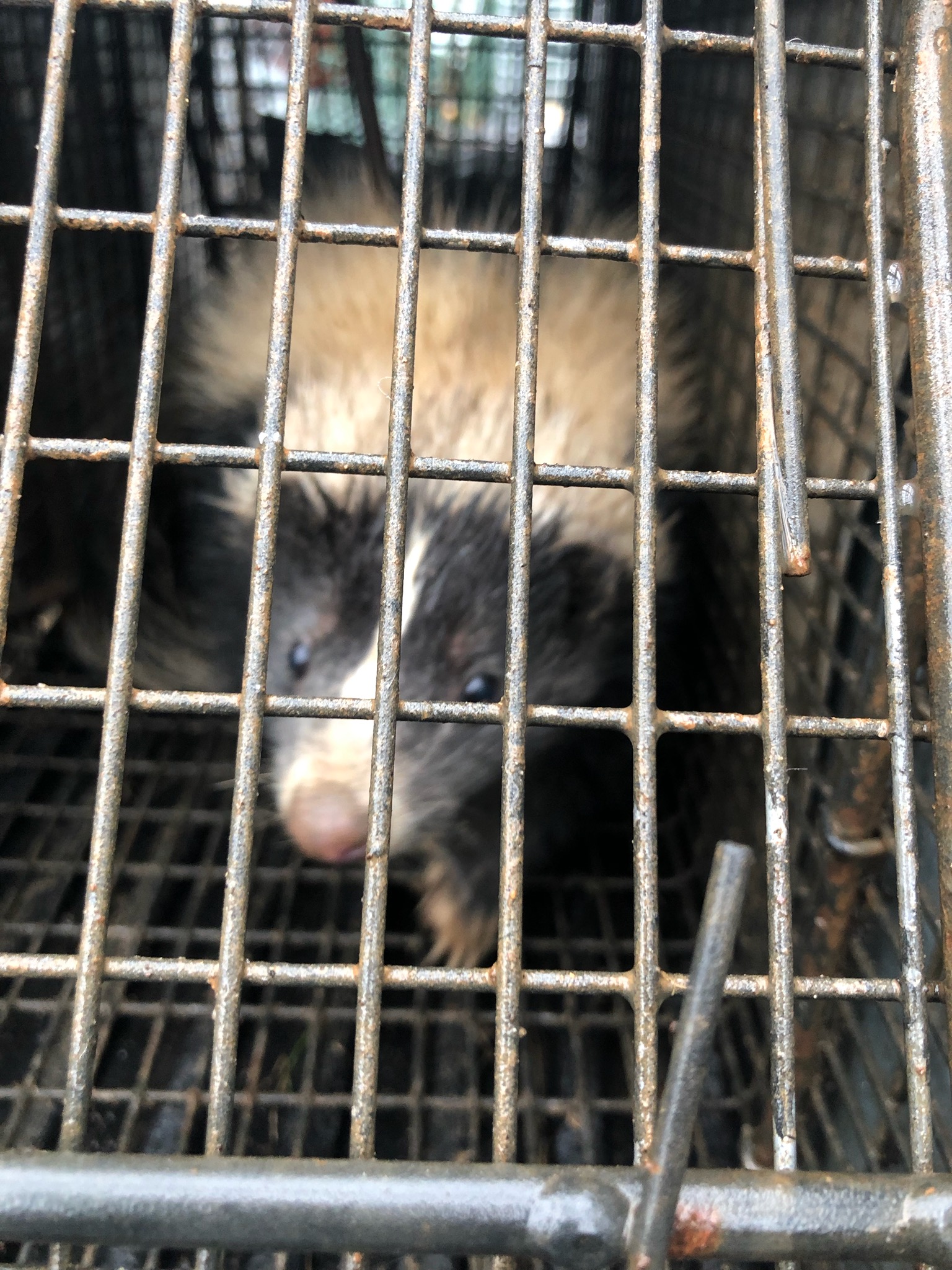
Skunk Removal in Torrington CT
Skunks are a consistent problem in Torrington, especially around homes with decks, porches, sheds, and older foundations that leave gaps at ground level. With wooded edges, the Naugatuck River corridor, and dense residential neighborhoods, skunks move easily between properties and settle anywhere they find shelter.
Most infestations begin when a skunk finds an opening beneath a structure. Once that space is accessible, it becomes a reliable den site. By the time homeowners notice odor or digging, the animal is already established and returning regularly.
Common skunk den locations in Torrington include:
- Open areas beneath decks and porches
- Spaces under sheds, garages, and additions
- Foundation edges with loose or disturbed soil
- Landscaped beds, brush lines, and property edges
Skunk problems often repeat because the structure remains accessible. Once a den has been created, it becomes easier for another skunk to take over. Odor and existing burrows make these locations even more attractive, which is why the same areas tend to see recurring activity.
Signs of skunk activity in Torrington include:
- Strong odor around the home or specific structures
- Cone-shaped holes in lawns from feeding
- Disturbed soil, mulch, or garden beds
- Visible burrow openings near decks, sheds, or foundations
- Pets reacting to certain areas of the yard
Skunks are primarily active at night, allowing them to establish den sites without being seen. By the time the smell becomes noticeable, the issue is typically already established.
Effective skunk removal in Torrington requires more than placing a trap in the yard. The trapping process must be based on the exact den location and travel route. Without that precision, results are inconsistent and short-term.
Our skunk trapping and removal process focuses on:
- Locating the active den site and entry point
- Strategic trap placement based on movement patterns
- Safe removal with reduced risk of spraying
- Identifying why the structure was targeted
- Sealing or reinforcing the area to prevent re-entry
If the den opening is not secured, skunk problems in Torrington will return. Removal alone leaves the structure vulnerable, and another skunk will use the same location.
Homes with accessible ground-level openings and soft soil conditions are especially prone to repeat activity, making proper exclusion critical.
For a complete breakdown of skunk trapping, den behavior, and long-term prevention, visit our skunk removal Litchfield County page.
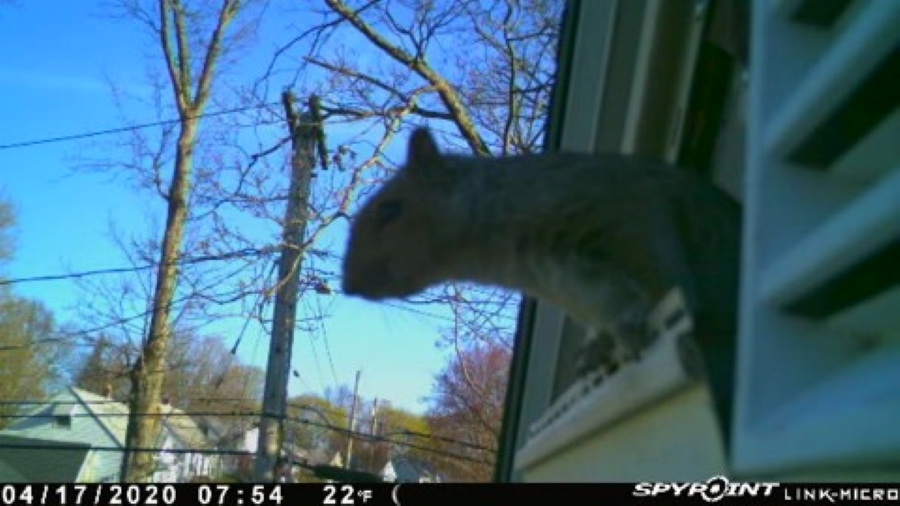
Squirrel Removal in Torrington CT
Squirrels are one of the most destructive wildlife problems in Torrington because they do not depend on existing openings—they create their own. These animals will chew through soffits, fascia boards, roof edges, and even vent covers to gain access to attic spaces.
In Torrington, properties near wooded edges, the Naugatuck River corridor, and neighborhoods with mature trees provide easy roof access. Overhanging branches act as direct pathways, allowing squirrels to reach vulnerable areas quickly. Once they identify a weak spot, they will continue chewing at that exact location until they break through.
Common squirrel entry points in Torrington homes include:
- Soffits weakened by age, moisture, or previous damage
- Fascia boards along rooflines
- Roof intersections and return areas
- Gable vents and attic ventilation openings
- Shingle edges where trim or flashing is exposed
After entering the attic, squirrels begin nesting immediately. Insulation is torn apart and scattered, nesting areas are built in hidden sections, and chewing damage spreads quickly. One of the most serious concerns is electrical damage, as squirrels frequently gnaw on wiring, creating potential fire hazards.
Noise is often the first sign. Homeowners typically hear running, scratching, and chewing, especially in the early morning and late afternoon when squirrels are most active.
Once squirrels gain access to an attic, they will continue using that entry point unless it is fully repaired. Even after removal, the opening remains a target for future activity.
Squirrel removal in Torrington must address both the animals and the structure. Our approach includes:
- Removing all active squirrels from the attic or structure
- Identifying all entry points and vulnerable areas
- Repairing and sealing damaged roofline sections
- Reinforcing weak areas to prevent further chewing
- Securing vents and exposed openings
Incomplete repairs or missed gaps lead to repeat infestations. Once a structure has been accessed, it becomes a known location that squirrels will continue to target.
Without full sealing and reinforcement, squirrel problems in Torrington will return—often in the exact same area where the damage first occurred.
For more details on squirrel entry points, attic damage, and long-term solutions, visit our raccoon removal Litchfield County page.
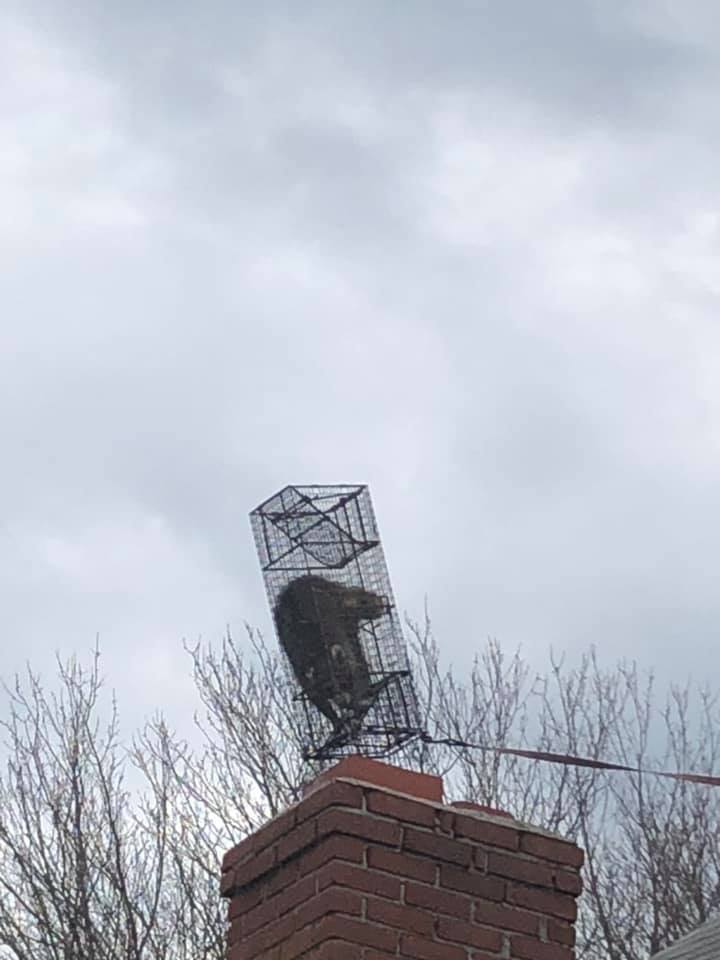
Raccoon Removal in Torrington CT
Raccoons are one of the most destructive wildlife problems in Torrington due to their strength and ability to force entry into homes. These animals commonly tear through soffits, fascia boards, roof edges, and vent systems to gain access to attic spaces.
In Torrington, raccoon activity is consistent in neighborhoods near wooded areas, the Naugatuck River corridor, and densely built sections of town. Many intrusions occur when a female is searching for a secure den site to raise her young, and attics provide the ideal combination of warmth and protection.
Once inside, raccoons create immediate and noticeable disruption. Their size and movement result in loud thumping, dragging, and shifting noises, most often during nighttime hours. In many cases, homeowners first become aware of the issue through these sounds or visible damage along the roofline.
Common raccoon entry points in Torrington homes include:
- Soffits and fascia boards that can be pulled apart
- Roof vents and attic fans without reinforcement
- Roofline edges and return areas where materials separate
- Chimneys that provide direct access into the structure
Once raccoons establish a den inside an attic, they will continue using that space and defend it. During baby season, young are often hidden within insulation or wall areas, which makes removal more involved.
The damage caused by raccoons goes beyond noise. We frequently see:
- Insulation torn apart and compacted for nesting
- Structural damage where entry points are forced open
- Contamination from waste buildup
- Enlarged openings that allow additional wildlife entry
Raccoon removal in Torrington must address both the animals and the structural access points. Our process includes:
- Targeted trapping of adult raccoons
- Locating and removing any young inside the structure
- Full inspection of the roofline and entry areas
- Repairing and sealing all access points
- Reinforcing vulnerable areas to prevent future entry
Trapping alone does not resolve the issue. If the entry point is not secured, another raccoon will use the same location, often in a short period of time.
Torrington homes that have had raccoon activity remain vulnerable until all access points are properly sealed and reinforced.
For a deeper look at raccoon behavior, entry points, and full removal methods, visit our raccoon removal Litchfield County page.

Woodchuck Removal in Torrington CT
Woodchucks are one of the most damaging ground-level wildlife problems in Torrington, especially on properties with open yards, older foundations, and structures near wooded edges. With a mix of residential neighborhoods and natural cover throughout the area, woodchucks have ideal conditions to establish long-term burrow systems close to homes.
Unlike many animals, woodchucks do not use existing openings—they create their own. Once a den is started, it expands into a network of tunnels that can run beneath decks, sheds, walkways, patios, and even sections of the home’s foundation.
In Torrington, we frequently see burrow systems develop along foundation edges, under porches, and around structural transitions where soil is easier to dig. Properties with soft ground, landscaping beds, or stone features are especially vulnerable to this type of activity.
One of the biggest concerns is hidden damage. What appears to be a single hole on the surface is often connected to a much larger underground system that weakens the soil supporting everything above it.
As these tunnels expand, they can cause sinking ground, shifting materials, and structural instability around patios, walkways, and foundation edges.
Common burrow locations in Torrington include:
- Along foundations, porches, and crawlspace areas
- Beneath decks, sheds, and attached structures
- Under patios, walkways, and retaining walls
- Within landscaped areas and yard edges
Typical signs of woodchuck activity:
- Large burrow openings near structures
- Loose soil and areas that feel soft or unstable
- Damage to plants, gardens, and landscaping
- Multiple tunnel entrances across the property
Woodchuck damage spreads as the tunnel system grows. The longer the activity continues, the greater the impact on surrounding structures and property stability.
Our woodchuck removal process in Torrington focuses on both removing the animal and addressing the burrow system:
- Targeted trapping based on active tunnel systems
- Locating all burrow entrances and activity zones
- Evaluating structural impact in affected areas
- Recommending reinforcement and prevention measures
Removing the woodchuck alone does not resolve the issue. Existing tunnels remain and can be reused by another animal, leading to repeat problems.
Properties in Torrington that have had woodchuck activity are far more likely to experience repeat infestations if those burrow systems are not properly addressed.
For a full breakdown of burrow systems, structural damage, and long-term control, visit our woodchuck removal Litchfield County page.
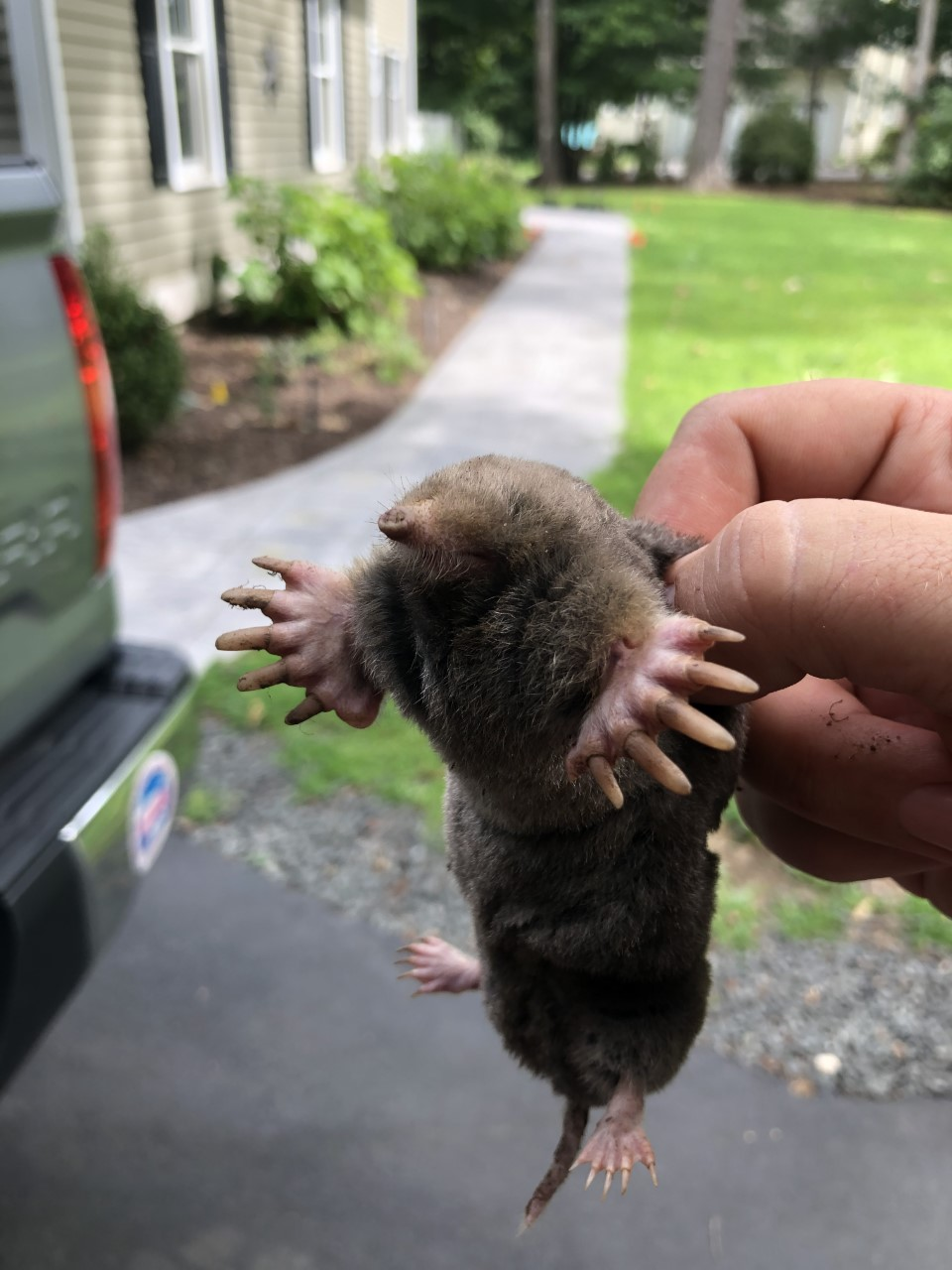
Mole Trapper in Torrington CT – Mole Control & Get Rid of Moles
Moles can quickly take over lawns in Torrington, creating raised tunnel systems, soft ground, and widespread turf damage. We regularly see properties where tunneling spreads across entire yards, especially in areas with consistent moisture and healthy soil conditions.
Because moles live underground, they are rarely seen directly. Instead, the damage shows up first—raised ridges, collapsing soil, and disrupted root systems. Many homeowners try store-bought repellents or treatments, but these do not eliminate the mole. They may shift activity temporarily, but the tunneling continues elsewhere.
If fresh ridges or new tunnel lines continue to appear, the mole is still active. Surface treatments do not remove the animal—they only delay the problem.
In Torrington, mole activity is common in lawns near wooded edges, the Naugatuck River corridor, and properties with irrigation or high grub populations. These conditions provide a constant food source, allowing tunnel systems to expand quickly.
Signs you need mole control in Torrington include:
- Raised tunnels running across the lawn
- Soft or spongy ground underfoot
- Grass lifting or separating from the soil
- New tunnel lines appearing daily or spreading outward
Getting rid of moles requires targeting the active tunnel system directly. Our mole trapping service focuses on placing traps precisely in the tunnels currently being used, eliminating the mole instead of attempting to push it away.
Effective mole control involves:
- Identifying active tunnel systems
- Placing traps in primary travel runways
- Monitoring activity across the property
- Adjusting placement to ensure complete removal
Improper trap placement or relying on surface treatments allows the problem to continue and often spread further across the yard.
In Torrington, the only reliable way to get rid of moles is through targeted trapping of active tunnels. As long as those tunnels are in use, the damage will continue.

Beaver Trapping in Torrington CT
Beavers are one of the most serious property-impacting wildlife issues in Torrington due to the town’s extensive water systems. With the Naugatuck River running through the area, along with streams, ponds, drainage corridors, and wetlands, Torrington provides ideal conditions for beavers to establish and expand.
Unlike other wildlife problems that are limited to a structure, beaver activity affects entire sections of land. Once beavers move into an area, they begin building dams that control water flow. This causes water levels to rise, often flooding areas that were previously dry.
In Torrington, we regularly see water backing up into yards, wooded sections, drainage systems, and even toward structures. Culverts become blocked, roadside drainage fails, and low-lying areas fill with standing water. These conditions can develop quickly once a dam is established.
Beaver problems are not static—they expand. As the dam grows, water spreads outward, increasing the affected area and making the situation more difficult to control.
Another major issue is tree damage. Beavers actively cut trees and vegetation to support dam construction and feeding. This often leads to:
- Loss of mature trees near waterlines
- Damage to wooded property edges
- Clearing of vegetation that stabilizes soil
- Long-term changes to the landscape
Common signs of beaver activity in Torrington include:
- Rising or standing water where it was previously dry
- Visible dam structures made of branches and mud
- Chewed or cut trees along water edges
- Blocked culverts, ditches, or drainage systems
- Flooding spreading across yards or access areas
One of the biggest challenges with beavers is that removing part of a dam or attempting basic solutions does not fix the problem. As long as the animals remain, they will continue rebuilding and maintaining the structure.
If the beavers are not removed, the dam will be rebuilt and the flooding will return.
Beaver trapping in Torrington requires a detailed understanding of water movement, dam placement, and how beavers travel through the environment. Improper trapping or incomplete setups often result in continued activity and ongoing damage.
Our beaver removal process focuses on solving the full problem:
- Inspection of waterways, dam systems, and travel routes
- Identifying active beaver locations and movement patterns
- Strategic trap placement based on water flow and site conditions
- Removal performed in accordance with Connecticut regulations
- Assessment of drainage impact and contributing factors
- Recommendations to reduce repeat activity and long-term flooding
Each property is different, and proper setup is critical. Water depth, flow, dam structure, and access points all determine how trapping should be handled.
Incorrect trapping attempts or partial solutions will not stop beaver activity. Without addressing both the animals and the water system, the problem continues.
In Torrington, once beavers establish in a waterway, that location remains vulnerable until the situation is fully resolved. If left unaddressed, dams will continue to grow, flooding will worsen, and property damage will expand.
For a full breakdown of trapping methods, dam control, and long-term solutions, visit our beaver removal Litchfield County page.
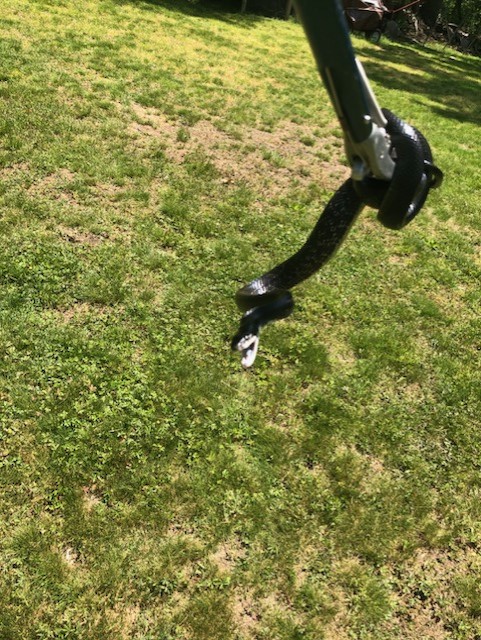
Snake Removal in Torrington CT
Snakes are a normal part of the environment in Torrington, especially around properties with stone foundations, wooded edges, and areas near the Naugatuck River and surrounding wetlands. These conditions provide shelter, food sources, and access points that bring snakes close to homes.
Outdoor sightings are common and usually not a concern. However, when a snake is found inside a basement, crawlspace, or living area, it typically indicates an opening in the structure that allowed entry. The presence of the snake points to a structural access issue that needs to be addressed.
In Torrington homes, snakes most often enter through:
- Gaps along foundation walls and basement edges
- Openings around utility lines, pipes, and conduit penetrations
- Cracks in concrete, block, or stone foundations
- Unsealed crawlspace vents, doors, or access panels
Black rat snakes are common in Torrington and are protected in Connecticut. They play an important role in controlling rodent populations and are frequently found outdoors near stone walls, woodpiles, and natural cover. In most cases, outdoor snakes should be left alone.
When a snake enters a structure, it should be handled safely and correctly. Removing the snake without identifying how it gained access increases the likelihood of repeat entry.
Our snake removal service in Torrington focuses on:
- Safe removal of snakes from interior spaces
- Inspection of foundation and structural openings
- Identifying how access was gained
- Recommendations for sealing and exclusion
If a snake has entered your home, there is an access point that allowed it. Without sealing that opening, future entry is likely.
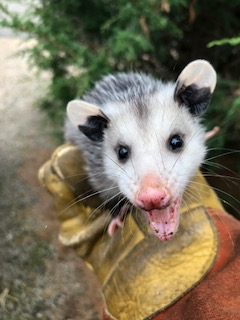
Opossum Removal in Torrington CT
Opossums are a common nuisance in Torrington, especially around properties with exposed ground-level openings. Decks, porches, sheds, and crawlspaces provide the type of low, protected shelter these animals look for when settling near homes.
With wooded edges, river corridors, and tightly spaced residential areas, opossums move easily between properties at night. They often follow structure lines, checking for openings under decks or along foundations. Once they find access, they begin using that space consistently.
Opossums do not need large openings to get in. Even small gaps along a crawlspace or under a structure are enough. Once a location is used as shelter, it becomes a repeat spot unless the access point is fully closed.
Common opossum shelter areas in Torrington include:
- Under decks and porches with open access
- Beneath sheds, garages, and additions
- Crawlspaces with missing or damaged barriers
- Dense landscaping or brush near the foundation
Most opossum problems are noticed after signs become obvious—such as odor, nighttime movement, or repeated activity around a specific structure. By that point, the animal is already using the area regularly.
Ongoing issues can include:
- Odor from waste buildup
- Disturbed debris or insulation in crawlspaces
- Repeated nighttime movement in the same location
- Sanitation concerns near living areas
Opossum removal in Torrington must address both the animal and the structural access that allowed it in. Our process focuses on:
- Safe removal of the opossum from the structure
- Inspection of the shelter or den area
- Identifying the access point being used
- Sealing or screening openings to prevent re-entry
If the opening remains accessible, another opossum will use the same location. Areas that have already provided shelter are more likely to attract repeat activity if they are not properly secured.
In Torrington, opossum problems are directly tied to accessible ground-level spaces. Once those openings are properly closed off, the issue is far less likely to return.
Health Contacts in Torrington, CT
If you experience an animal bite or possible rabies exposure, contact your local health department or call 911 immediately. Do not wait—timing is important for proper medical evaluation.
- Torrington Area Health District: (860) 489-0436
- Connecticut DPH Rabies Program: (860) 509-7994
Important: If a bat is found in a room where someone was sleeping or where contact may have occurred, it should be safely captured and tested. Do not release it.
Wildlife Removal Torrington CT – Frequently Asked Questions
Why do wildlife problems keep coming back in Torrington homes?
Most repeat problems happen because the original entry point was never fully sealed. In Torrington, animals often move between nearby structures, so even a small gap in a roofline, soffit, or foundation will continue to be used over and over.
What does noise in the attic usually mean?
Scratching, running, or thumping sounds in the attic typically indicate squirrels or raccoons. Lighter fluttering or subtle movement may point to bats. In all cases, it means an animal has already gained access to the structure.
Why are wildlife problems common in Torrington?
Torrington has a mix of older homes, multi-family properties, wooded edges, and river corridors. These conditions allow wildlife to move easily through neighborhoods and find entry points in structures.
Will animals leave on their own?
No. Once an animal establishes a den or nesting area, it will continue using that space. In many cases, the situation worsens over time as damage increases or additional animals move in.
How are animals getting into my house?
Wildlife typically enters through weak or damaged areas such as roof vents, soffits, fascia boards, chimney gaps, or foundation openings. These entry points are often small and not visible from the ground.
Do I need repairs after wildlife removal?
Yes. Removing the animal does not solve the problem unless the entry point is sealed. Without proper repairs, another animal will use the same opening and the issue will return.
What wildlife causes the most damage in Torrington?
Raccoons, squirrels, bats, and woodchucks tend to cause the most structural damage. Beavers can also create significant property issues by flooding areas and damaging trees near water systems.
How fast can a wildlife problem get worse?
Problems can escalate quickly. A small opening can turn into major structural damage in a short period of time, especially with animals like raccoons or squirrels. The longer the issue is left unaddressed, the more extensive the damage becomes.
Do you service nearby towns around Torrington?
Yes, we also provide wildlife removal in surrounding areas. You can learn more about nearby services such as wildlife removal in Washington CT and other Litchfield County towns.
