Beaver Trapping in Litchfield County, CT
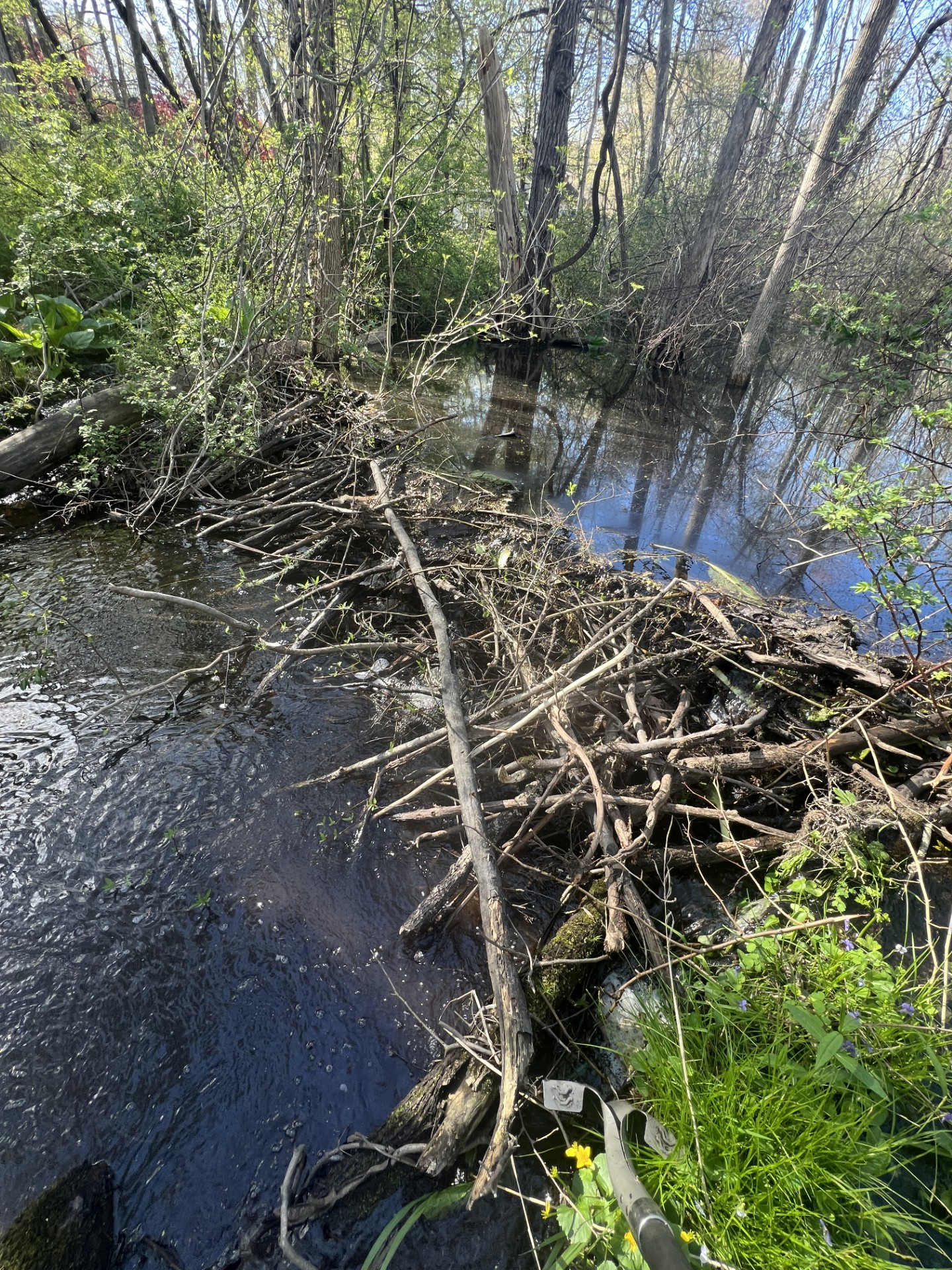
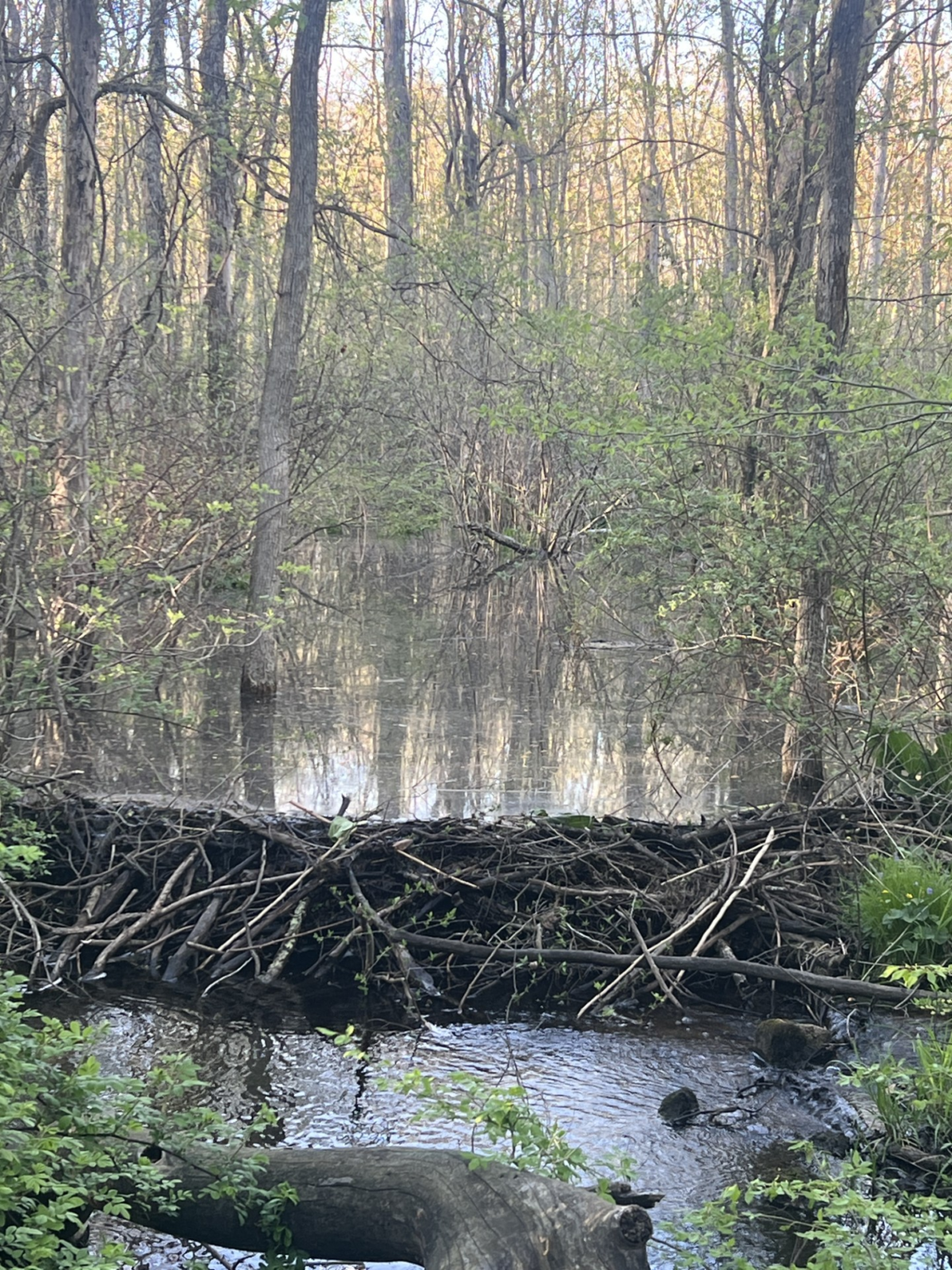
Beavers are one of the most destructive and costly wildlife problems in Litchfield County, CT, especially in areas with streams, wetlands, ponds, and culverts. What starts as a small dam or blocked waterway can quickly turn into rising water levels, flooding, and widespread property damage in a short period of time.
As beavers build and rebuild dams, water continues to back up — flooding yards, driveways, wooded areas, and even access roads. In many cases, the problem isn’t noticed until water levels have already risen and damage is underway.
Housatonic Valley Wildlife Control provides professional beaver trapping throughout Litchfield County, including rural properties, farmland, residential areas near water, and sites affected by drainage and flooding issues. Proper trapping is the only effective way to stop the problem — without it, beavers will continue to rebuild and expand the damage.
How Fast Beaver Flooding Gets Worse
- Days: Small dam begins backing up water
- 1–2 weeks: Water spreads into surrounding areas
- Longer: Culverts clog, flooding expands, damage increases
Beaver problems do not stabilize — they continue to grow until properly handled.
Common Beaver Problems in Litchfield County
Beaver activity in Litchfield County often starts small but can escalate quickly into serious property and water management issues if not addressed.
- Flooding of yards, driveways, and roadways as dams raise water levels
- Dam building that blocks natural water flow, backing water into areas that were previously dry
- Tree cutting and property damage, especially along wooded edges and waterways
- Water level changes affecting septic systems and drainage fields
- Washed-out culverts, driveways, and drainage pipes from increased water pressure
- Expanding wet areas and standing water that continue to grow over time
Beaver problems can escalate quickly, especially during periods of steady water flow. A dam that starts small can expand in a matter of days, raising water levels and affecting larger areas of the property.
Where Beaver Activity Happens Most in Litchfield County
Beaver activity is common throughout Litchfield County, especially in areas with consistent water flow and natural cover. Even small waterways can support active beaver colonies.
- Properties along the Housatonic River and surrounding low-lying areas
- Farmington River and nearby tributaries
- Barkhamsted Reservoir areas and protected water systems
- Wetlands and low-lying wooded land with standing water
- Drainage ditches and culvert systems near roads and driveways
- Small streams and seasonal water flow areas that can quickly become blocked
Once beavers establish a dam, water levels can rise rapidly, often affecting surrounding properties that were previously dry. Activity is not limited to large rivers — many problems in Litchfield County begin in smaller, overlooked water sources.
Recent Beaver Trapping in Litchfield County
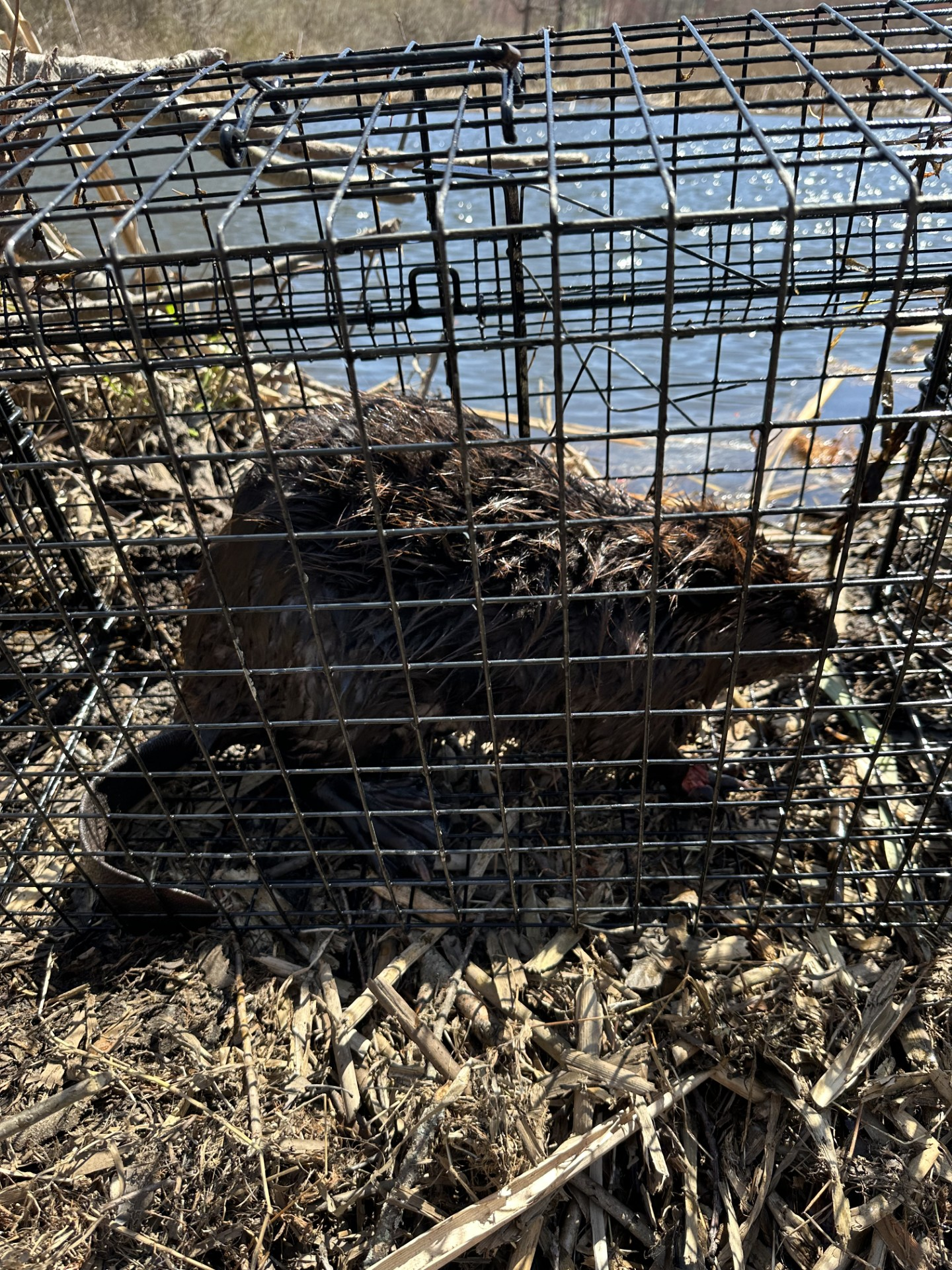
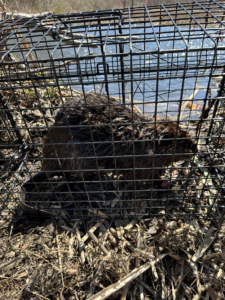
In a recent job in Litchfield County, a property owner noticed water backing up near a culvert and flooding part of their driveway. Inspection revealed an active beaver dam blocking water flow.
Traps were placed along active runs and travel paths based on water movement and site conditions. The beaver was successfully removed, and water levels began to drop once the obstruction was addressed.
Without proper trapping, the dam would have continued to expand, increasing flooding and damage to the property.
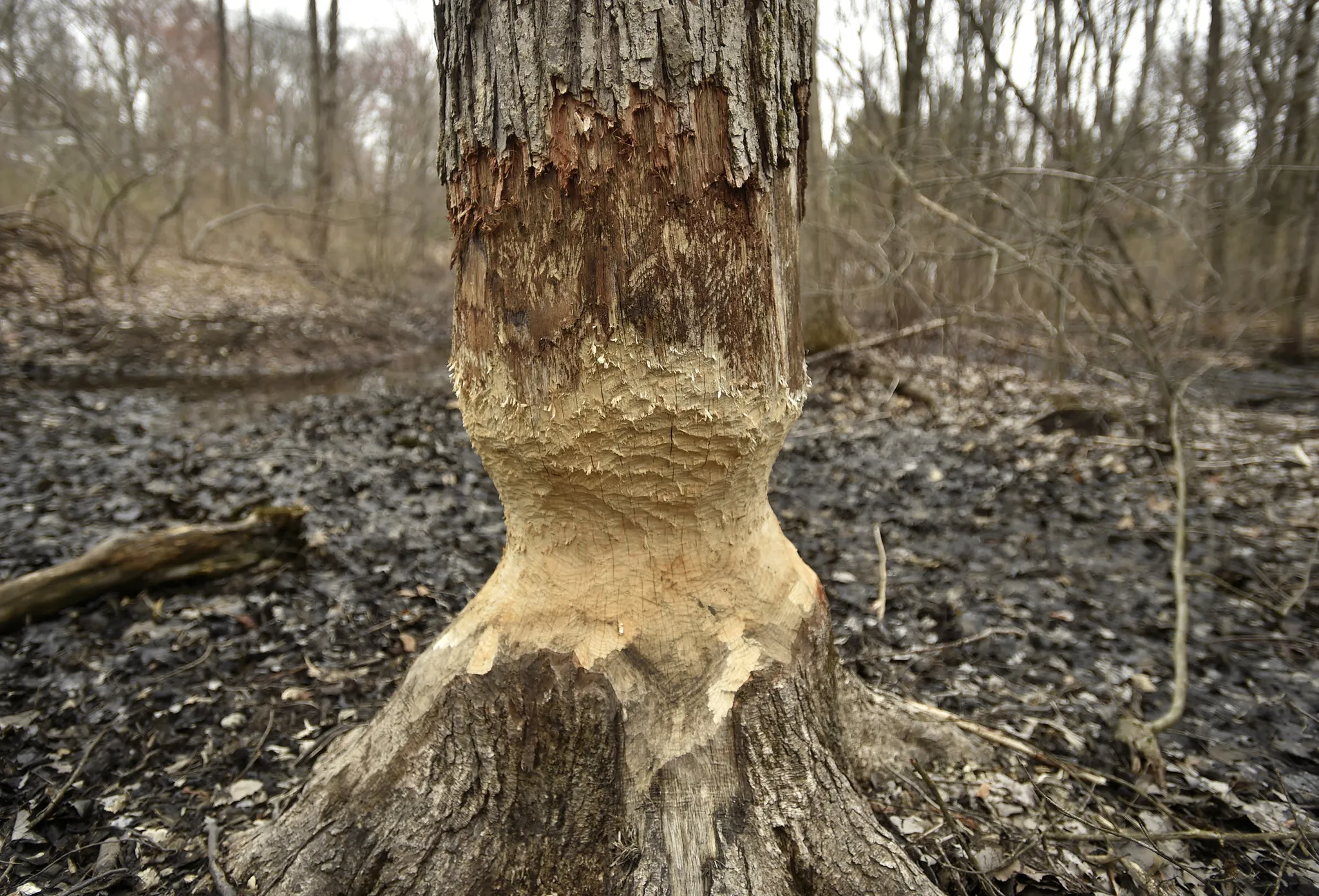
Beaver Trapping Process in Litchfield County
Effective beaver removal requires careful planning, proper trap placement, and a strong understanding of how water flow, terrain, and travel routes affect beaver movement. Without this, trapping attempts often fail and the problem continues.
- Site inspection and assessment to identify active areas, water movement, and problem zones
- Location of dams, lodges, runs, and travel routes used by beavers
- Strategic trap placement based on water conditions, depth, and movement patterns
- Targeted removal using methods that are effective and compliant with Connecticut regulations
- Evaluation of culverts and drainage areas to understand flooding pressure and water backup
- Recommendations to reduce repeat activity and ongoing property damage
Incorrect trapping attempts often fail. Without proper placement and understanding of the site, beavers will continue to rebuild dams and expand the problem.
Beaver problems get worse fast.
The longer dams are left in place, the more flooding and property damage occurs.
Call 860-318-1778 now to stop the problem before it spreads.
Why Beaver Problems Require Proper Setup
Beaver control is not a one-size-fits-all process. Each site has different water conditions, terrain, and activity patterns that directly affect how effective trapping will be.
- Beavers rebuild dams quickly if the animals are not fully removed
- Water flow and depth changes directly impact trap placement and success
- Improper trap placement leads to missed catches and ongoing activity
- Partial removal does not solve the problem — remaining beavers will continue building and expanding the dam
- Changing site conditions require adjustments in setup and strategy
Every situation is different based on water movement, surrounding terrain, and how established the beaver activity is. Without proper setup and adjustment, trapping attempts often fail and the problem continues to grow.
Beaver Trapping Service Areas in Litchfield County
Housatonic Valley Wildlife Control provides beaver trapping throughout Litchfield County, including:
- Beaver Trapping New Milford
- Beaver Trapping Bridgewater
- Beaver Trapping Roxbury
- Beaver Trapping Woodbury
- Beaver Trapping Watertown
- Beaver Trapping Plymouth
- Beaver Trapping Thomaston
- Beaver Trapping Litchfield
- Beaver Trapping Harwinton
- Beaver Trapping Bethlehem
- Beaver Trapping Washington
- Beaver Trapping Morris
- Beaver Trapping Warren
- Beaver Trapping Kent
- Beaver Trapping Sharon
- Beaver Trapping Cornwall
- Beaver Trapping Goshen
- Beaver Trapping Torrington
- Beaver Trapping New Hartford
- Beaver Trapping Barkhamsted
- Beaver Trapping Winchester
- Beaver Trapping Colebrook
- Beaver Trapping Norfolk
- Beaver Trapping Canaan
- Beaver Trapping North Canaan
- Beaver Trapping Salisbury
Beaver Trapping – What to Expect
Every beaver job in Litchfield County is different and is evaluated based on location, water access, depth, and overall site conditions. Effective trapping depends on understanding how water is moving, where beavers are traveling, and how established the activity is.
Most projects involve identifying active dams, runs, and travel routes, then placing traps in the correct locations based on those conditions. In some situations, access to water, terrain, or property layout may require coordination to properly set up and complete the job.
Early intervention is critical. The longer a dam remains active, the more water builds up — increasing pressure on culverts, flooding surrounding areas, and expanding the amount of damage.
Addressing the problem early helps limit property damage and makes the situation easier to control before it spreads.
Beaver Dam Problems – Questions & Answers
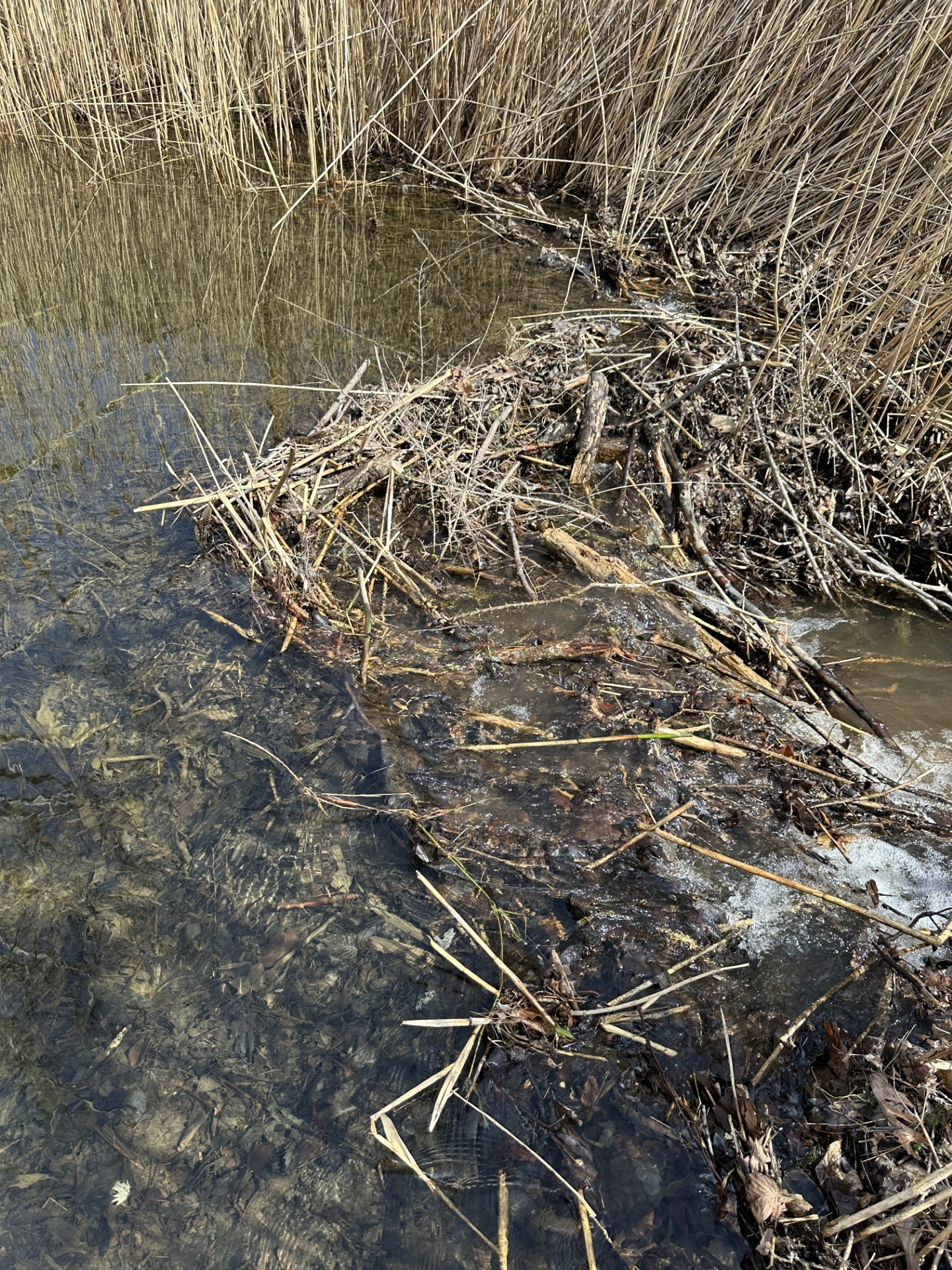
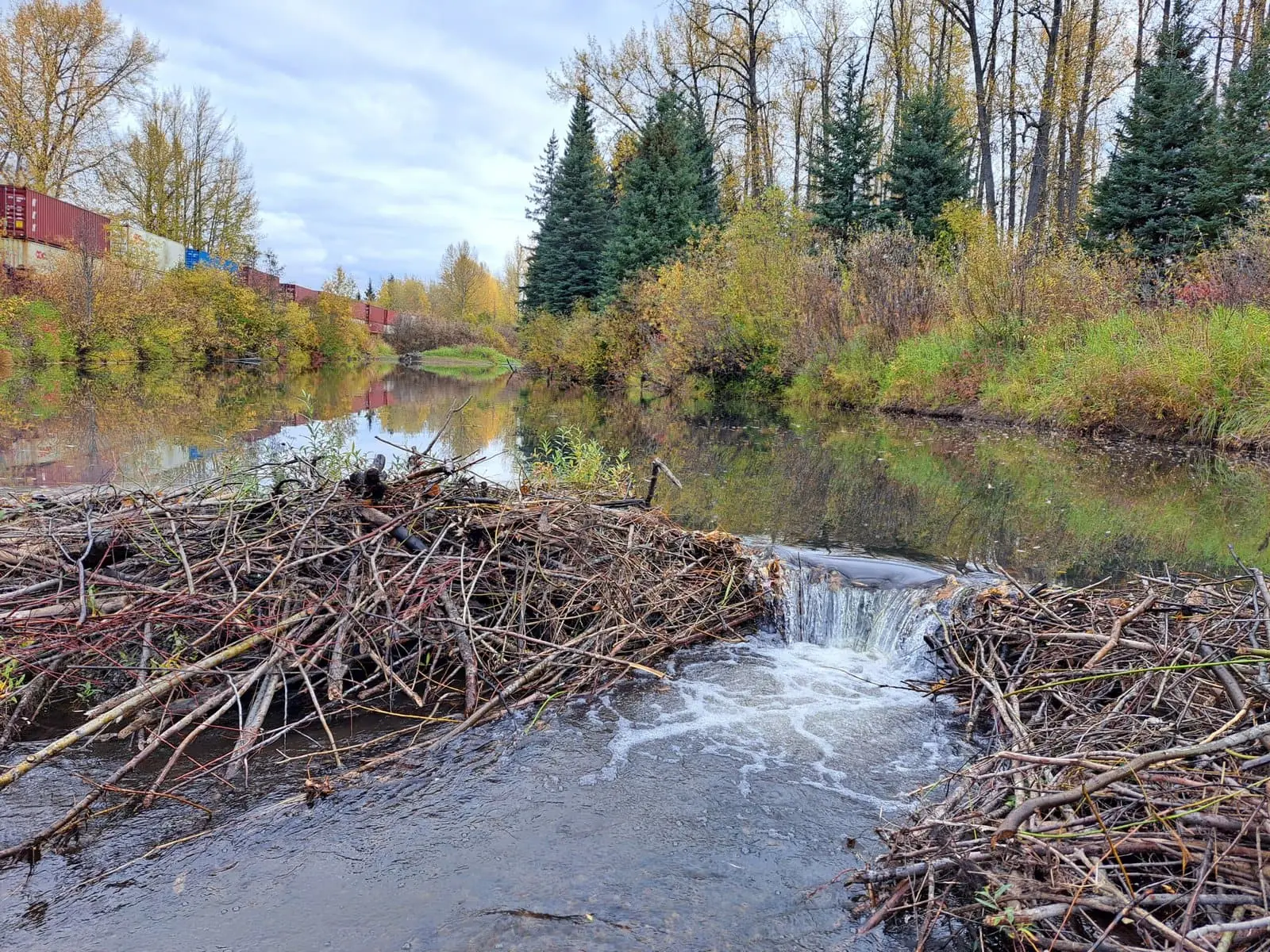
The beaver dam shown above is a good example of how quickly these structures can form using sticks, reeds, and mud. While it may not look strong, dams like this can still hold back a significant amount of water and create serious flooding issues.
Dams like this may not look serious — but they can hold back enough water to flood large areas very quickly.
How fast can a beaver dam cause flooding?
Beaver dams can begin affecting water levels almost immediately. As material builds up, water backs up quickly — flooding yards, driveways, culverts, and drainage areas in a short period of time.
Can a dam like this fail suddenly?
Yes. Even smaller dams made of grass, sticks, and debris can give way under pressure, especially after heavy rain. When that happens, water can release quickly and cause downstream flooding and damage.
Why not just break the dam?
Breaking a beaver dam without removing the animals is only a temporary fix. Beavers will rebuild quickly — often overnight — and the problem will continue.
How strong are beaver dams?
Beaver dams are built using layered sticks, mud, and vegetation that pack together tightly. Over time, they become strong enough to hold back large volumes of water and significantly alter drainage patterns.
What is the proper way to solve a beaver problem?
The only effective solution is proper trapping. Once the beavers are removed, dams can be addressed without the risk of immediate rebuilding and continued flooding.
Call for Beaver Trapping in Litchfield County
Call or text Housatonic Valley Wildlife Control at 860-318-1778