
Call or text 860-318-1778 for professional wildlife removal and long-term exclusion.
Litchfield, with its historic homes, large estates, wooded properties, and quiet rural backroads, consistently sees high levels of wildlife activity year-round. Common issues include bats roosting in attics, skunks denning under decks and porches, raccoons entering chimneys and tearing into rooflines, squirrels nesting in soffits and eaves, woodchucks burrowing along foundations and stone walls, snakes around basements and rock features, and opossums taking shelter beneath sheds and outbuildings.
Wildlife problems are especially frequent throughout Litchfield due to the town’s layout and property types. Older homes, barns, and outbuildings provide easy access points and ideal nesting environments, while surrounding wooded areas and open land supply a constant food source. Properties that back up to forest edges or have unmanaged landscaping tend to see the most consistent activity.
Work in Litchfield often involves historic structures and larger homes with complex construction, including multiple rooflines, aging soffits, gaps along fascia boards, stone foundations, and hidden entry points that are not immediately visible. These structural features make it easy for wildlife to gain access and remain undetected for extended periods. Without proper exclusion work, animals will repeatedly return and establish long-term nesting sites.
It’s also common to find multiple species active on the same property at the same time, particularly on larger estates or properties with barns. For example, a home may have squirrels in the attic, skunks under a porch, and woodchucks along the foundation — all contributing to ongoing damage if not addressed properly.
In one recent situation, a homeowner reported heavy movement in the attic during the early morning hours. What initially sounded like a single animal turned out to be a raccoon that had torn into the roofline and created a den site, causing significant structural damage. Upon inspection, additional weak points were found along the soffits and fascia, which would have allowed further entry if left untreated. Situations like this are extremely common in Litchfield, especially on older homes where materials have deteriorated over time.
Proper wildlife control in Litchfield requires more than simple removal — it involves identifying all entry points, sealing the structure, and correcting the conditions that allowed the problem to start in the first place. Without that, the issue almost always returns.
Wildlife Problems in Litchfield Homes – What Sets This Area Apart
- Historic and older homes — aging wood, gaps in soffits, and worn rooflines create easy and often hidden entry points for wildlife
- Larger properties with low disturbance — animals feel safe establishing long-term dens without frequent human activity
- Stone foundations, barns, and outbuildings — ideal environments for burrowing animals like woodchucks and skunks, as well as shelter for snakes and rodents
- Heavy tree coverage — overhanging limbs provide direct access to roofs, making attic entry easy for squirrels and raccoons
- Seasonal and second homes — wildlife problems often go unnoticed for extended periods, allowing infestations to grow before they’re discovered
Important: Most repeat wildlife issues in Litchfield happen because entry points are never fully addressed. Removing the animal is only part of the solution — if gaps, holes, and structural weaknesses aren’t properly sealed, new animals will quickly move in and the problem starts all over again.ecause entry points are not fully sealed or durable materials aren’t used.
Where Wildlife Control Goes Wrong in Litchfield
- Sealing entry points before animals are removed
- Using materials that can be chewed or pushed open
- Missing secondary entry points on complex rooflines
- Focusing only on removal without proper exclusion
- Ignoring crawlspaces, barns, and foundation-level access
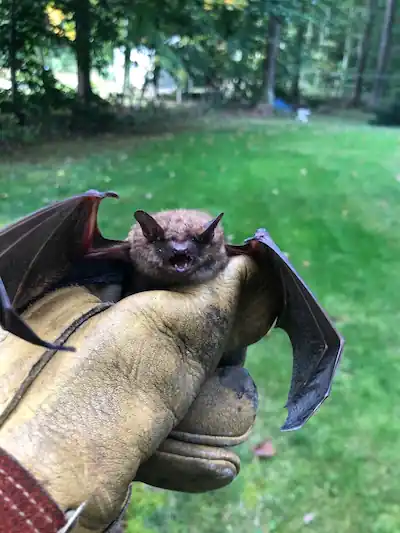
Bat Removal in Litchfield, CT
Bats are extremely common throughout Litchfield, especially in older homes, historic properties, barns, and large wooded estates. The combination of aging construction, quiet surroundings, and nearby feeding areas makes this area ideal for bat colonies to establish and return to year after year.
Historic homes in Litchfield are particularly vulnerable. Features like ridge vents, gable vents, soffits, fascia gaps, roof returns, and older trim work naturally develop small openings over time. Bats only need a gap as small as 3/8 of an inch, which allows them to enter structures unnoticed and build colonies inside attics, wall voids, and rooflines.
Most bat activity in Litchfield is found along:
- Ridge vents and roof peaks
- Soffits and eave gaps
- Gable vents and louvers
- Chimney and flashing gaps
- Roofline intersections and construction joints
Once a colony establishes itself, bats will return to the same structure every season, often increasing in size over time. Many homeowners don’t realize they have a bat problem until there is noticeable noise, staining near entry points, or guano accumulation in the attic.
Bat removal is not a simple trap-and-remove situation. Bats are protected wildlife, and removal must be handled through a structured exclusion process. This involves installing one-way exclusion devices that allow bats to safely exit the structure but prevent them from getting back in.
Timing is critical. Exclusion work must be completed during the legal season, avoiding the period when flightless young are present inside the structure. Attempting removal at the wrong time can lead to serious issues, including trapped bats inside walls or increased activity within the home.
After the bats are fully excluded, the most important step is complete structural sealing. Every potential entry point — not just the primary hole — must be properly identified and sealed. If even a small gap is missed, bats will return.
In many Litchfield homes, especially older properties or long-term infestations, guano buildup becomes a serious concern. Accumulated droppings can lead to strong odors, staining, and potential health risks if left untreated. In these cases, cleanup and sanitation of the attic or affected areas may be necessary to fully resolve the problem.
Effective bat control in Litchfield requires a thorough inspection, proper exclusion methods, and detailed sealing work. Anything less typically results in recurring issues.
Colonies will return year after year unless full exclusion is completed.
Learn more about bat removal in Litchfield County.
- Inspection for colonies, staining, guano, and active entry points
- Seasonal exclusion using one-way devices
- Guano cleanup and odor control when needed
- Full structure sealing using durable materials
- Prevention to stop future bat entry
All work follows Connecticut DEEP regulations.
Call or text 860-318-1778 before damage spreads or animals become sealed inside.
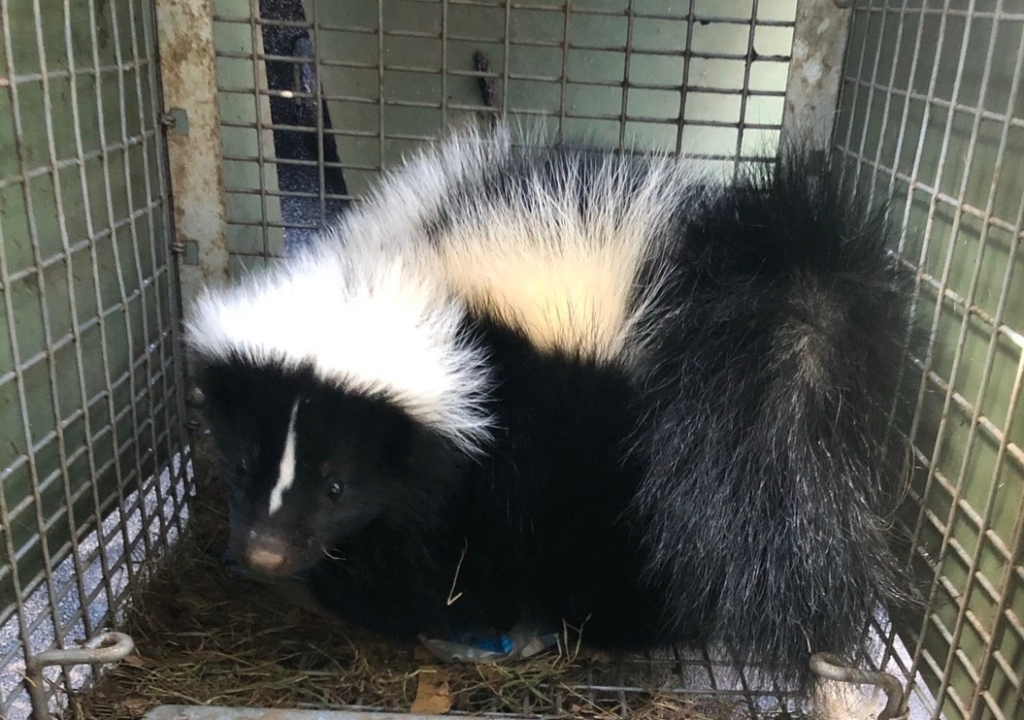
Common Skunk Problems in Litchfield, CT
- Strong, persistent odor around homes, decks, porches, and crawlspaces
- Lawn and turf damage from nightly digging for grubs and insects
- Active burrows under sheds, decks, stairs, and foundations
- Skunks living beneath structures, especially in quiet or low-traffic areas
- High risk of spraying when startled — including pets being sprayed repeatedly
- Nocturnal activity around garbage areas, compost, and pet food sources
- Increased activity during late winter and spring denning season
- Potential exposure to rabies and other wildlife-related diseases
Skunk activity in Litchfield is extremely common due to the mix of wooded properties, large yards, stone foundations, and quiet residential areas. Skunks prefer locations with minimal disturbance, which makes areas under decks, sheds, and porches ideal den sites — especially on larger or rural properties.
Most skunk problems aren’t noticed right away. Homeowners typically become aware of the issue only after strong odor develops or visible lawn damage appears. By that point, a skunk has usually already established a den and may be returning nightly. In many cases, especially during spring, there may also be young present under the structure.
Skunks are creatures of habit. Once a den site is established, it will continue to attract new animals if not properly addressed. Simply removing the skunk without sealing the area almost always results in another skunk moving into the same exact location.
For a complete breakdown of trapping, removal, and long-term prevention, visit our Litchfield County skunk removal and exclusion .
Skunk Removal & Exclusion
- Detailed inspection to locate active den sites, travel routes, and structural vulnerabilities
- Strategic trap placement designed to minimize the risk of spraying
- Humane removal in compliance with Connecticut wildlife regulations
- Identification of ALL potential entry points — not just the main den opening
- Professional sealing and reinforcement of the area to prevent re-entry
- Optional exclusion barriers for decks, sheds, and crawlspaces
- Recommendations to eliminate food sources and attractants around the property
Skunk problems do not resolve on their own. If the den is not properly removed and secured, another skunk will move back in — often within days. This is especially common in Litchfield, where properties and surroundings naturally support ongoing wildlife activity.
Proper skunk control requires more than trapping — it requires identifying why the skunk chose the location in the first place and permanently correcting those conditions.
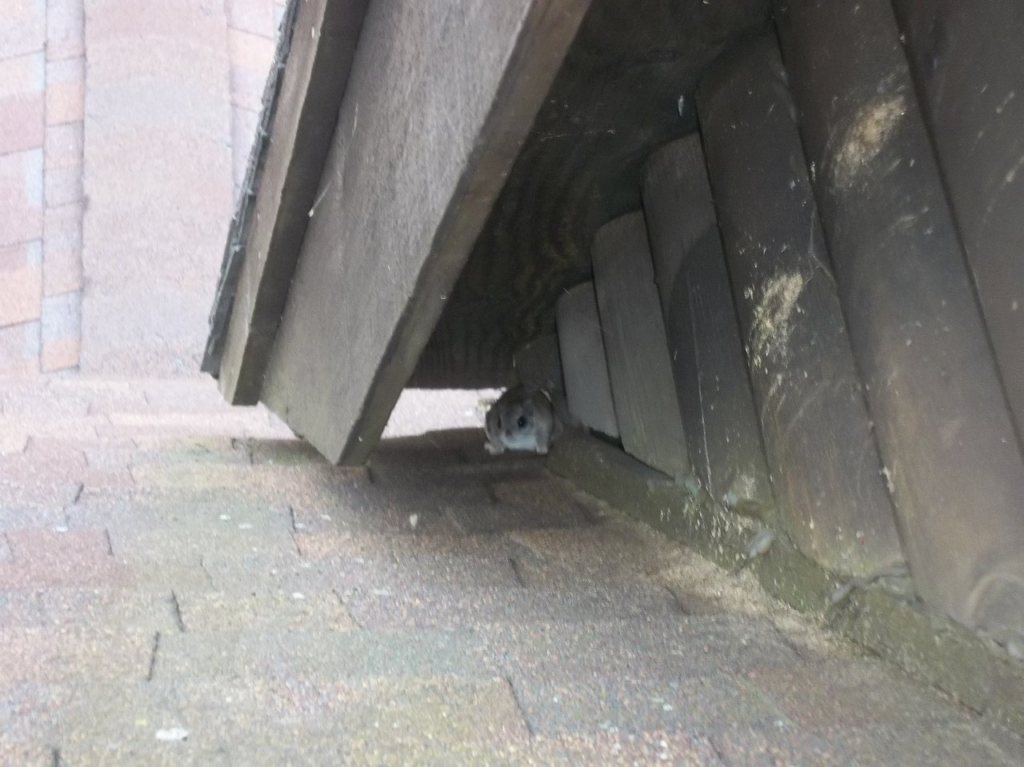
Squirrel Removal in Litchfield, CT
Squirrels frequently enter attics in Litchfield because many homes are surrounded by mature trees that give them direct access to rooflines. They commonly target soffits, fascia boards, gable vents, dormers, roof returns, and small construction gaps on older homes.
Both gray squirrels and flying squirrels are common. Gray squirrels are often heard during the day, especially in the morning and late afternoon. Flying squirrels are usually heard at night and can involve larger groups moving through attic spaces and wall voids.
Squirrels do not just use openings — they often chew their way into the structure. Once inside, they build nests, tear insulation, leave droppings, and can chew wood or wiring. If the entry point is not reinforced correctly, they may reopen the same spot again.
Most infestations occur when small gaps are left unsealed or when chewed entry points are patched with weak materials.
- Inspection of rooflines, soffits, vents, fascia, dormers, and attic spaces
- Identification of active entry holes, chew marks, nesting areas, and travel routes
- Eviction using one-way doors or targeted trapping when needed
- Careful handling of nesting situations, especially when young are present
- Sealing and reinforcement with chew-resistant materials
- Long-term prevention to stop repeat attic entry
Proper squirrel removal in Litchfield means getting them out, repairing the damage, and sealing every access point so they cannot return.
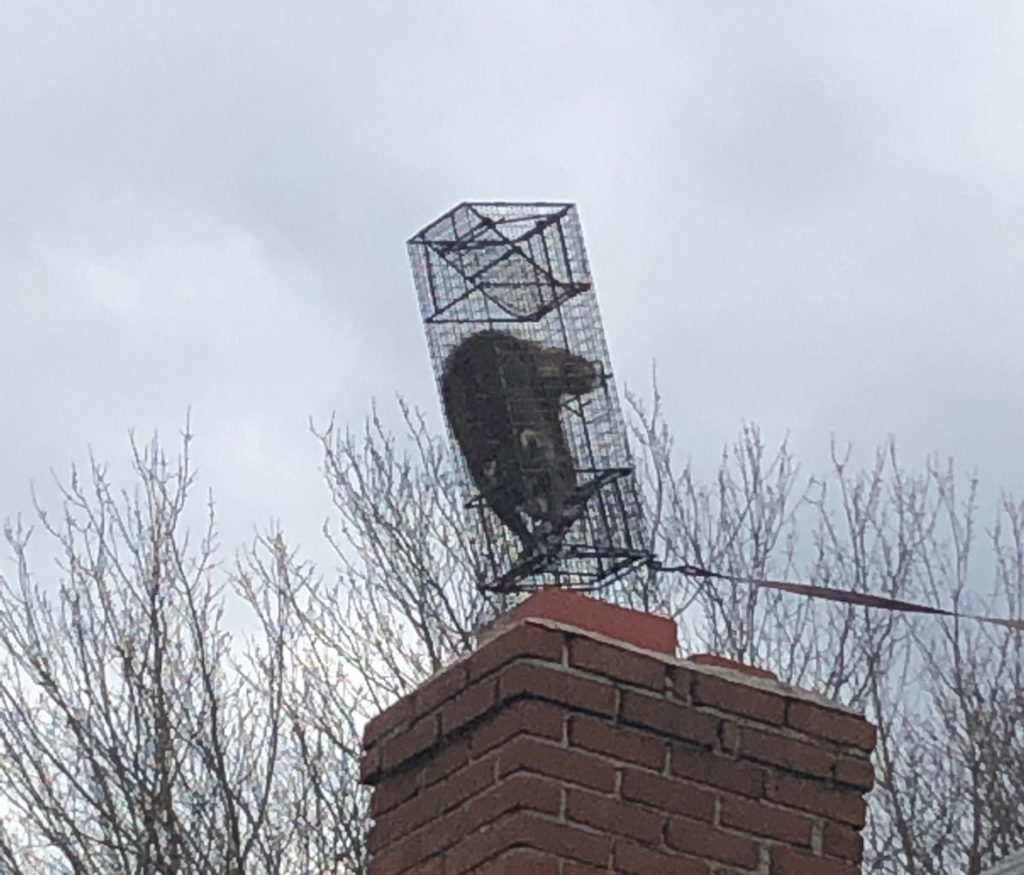
Raccoon Removal in Litchfield, CT
Raccoons are one of the most destructive wildlife problems in Litchfield. They are strong enough to tear through weak soffits, roof edges, vents, and chimney areas to reach attic spaces, crawlspaces, and wall voids.
Most break-ins occur along roof edges, soffits, and chimney areas. On older Litchfield homes, raccoons often exploit aging trim, loose boards, missing chimney caps, or gaps where rooflines meet.
It is very common for female raccoons to enter attic spaces to raise young. These jobs must be handled carefully so the adult animal is removed and any young are found before the entry point is repaired.
Once inside, raccoons can rip insulation, contaminate attic areas, damage ductwork, and create heavy nighttime noise. If the damaged access point is not repaired and reinforced, another raccoon may move into the same location.
Missing even one entry point will lead to repeat problems.
Learn more about raccoon removal in Litchfield County.
- Inspection for den sites, roof damage, chimney access, and attic entry points
- Humane trapping and eviction
- Careful handling of attic den situations, including when young are present
- Damage repair and reinforcement of the entry point
- Prevention for long-term control
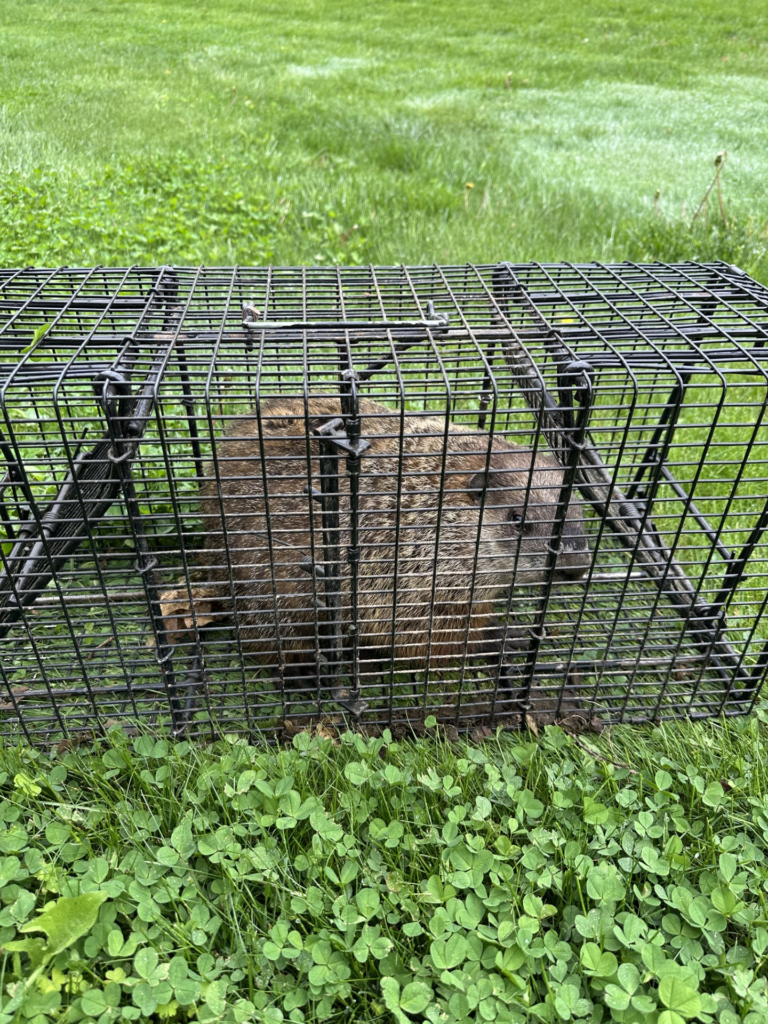
Woodchuck Removal in Litchfield, CT
- Large burrow systems undermining foundations, slabs, and retaining walls
- Multiple tunnel entrances hidden along stone walls, sheds, and structure edges
- Soil erosion and voids developing beneath patios, walkways, and steps
- Collapsing ground near burrow openings creating safety hazards
- Extensive garden and landscaping damage from feeding activity
- Repeat infestations when burrows are left open and usable
- Activity concentrated around barns, outbuildings, and rural property edges
Woodchucks are extremely common throughout Litchfield, especially on properties with open land, stone walls, barns, and older construction. The natural landscape provides ideal conditions for digging, while man-made structures offer protection and stability for long-term burrow systems.
Unlike many other nuisance animals, woodchucks cause damage at the structural level. They excavate deep, complex tunnel systems that can extend several feet underground and run directly beneath foundations, slabs, stairs, retaining walls, and outbuildings. A single burrow often includes multiple hidden entrances, making the problem easy to underestimate at first glance.
In Litchfield, it is very common to find burrow openings tucked along stone foundations, under sheds, beneath decks, and at the base of walls or landscaping features. Over time, these tunnels create empty voids beneath the surface, leading to settling soil, sinking patios, cracked walkways, and in some cases partial collapse of the surrounding ground.
Many properties experience ongoing issues because the burrow system itself is never properly addressed. Removing the woodchuck without collapsing and securing the tunnel network allows another animal to move in quickly — often within the same season.
For a complete breakdown of trapping, removal, and long-term prevention, visit our Litchfield County woodchuck removal and control .
Woodchuck Removal & Burrow Control
- Full inspection to locate all active burrow entrances and tunnel paths
- Strategic trapping placed along travel routes and primary den openings
- Humane removal in accordance with Connecticut wildlife regulations
- Identification of secondary and hidden entrances often missed by homeowners
- Collapse and backfill of tunnel systems to eliminate underground voids
- Reinforcement of vulnerable areas to prevent future burrowing
- Recommendations for property modifications to reduce long-term risk
Woodchuck problems do not go away on their own. As long as a burrow system remains intact, it will continue to attract new animals and expand over time. In areas like Litchfield, where conditions are ideal, this often leads to recurring damage year after year.
Proper woodchuck control requires more than removal — it requires eliminating the entire burrow system and correcting the conditions that allowed it to develop in the first place.
- Inspection of active burrow systems and hidden secondary holes
- Targeted trapping near den entrances and travel routes
- Burrow collapse and reinforcement to prevent reuse
- Protection of vulnerable foundations, stone walls, sheds, and gardens
- Prevention to stop re-digging and future activity
Effective woodchuck control in Litchfield means removing the animal, eliminating the burrow system, and securing the area so another woodchuck does not move back in.
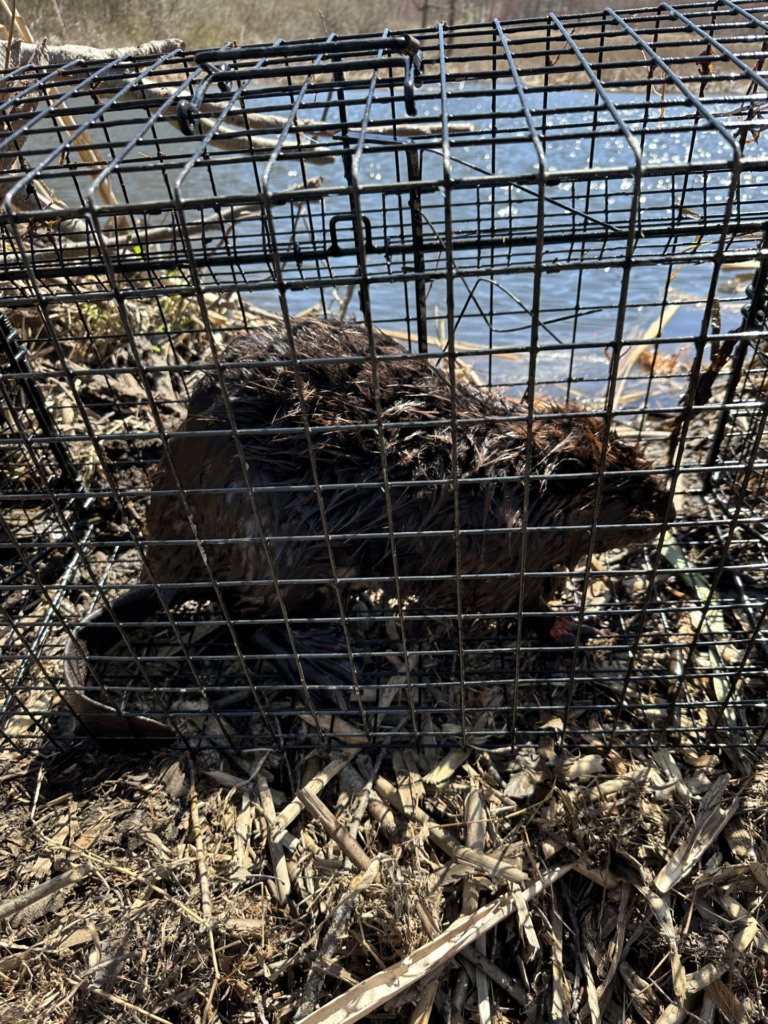
Beaver Trapping & Flood Control in Litchfield, CT
- Rapid flooding of yards, driveways, and access roads from expanding dams
- Blocked culverts and drainage systems causing water backup
- Tree loss from cutting and girdling along water edges
- Rising water levels threatening structures, septic systems, and foundations
- Washed-out roads, trails, and property access points
- Ongoing damage that escalates quickly if not controlled early
Beaver problems in Litchfield are some of the most serious and costly wildlife issues a property can face. With an abundance of streams, wetlands, ponds, and low-lying wooded areas, conditions are ideal for beaver colonies to establish and expand. What often starts as a small dam can quickly turn into a large-scale flooding issue affecting entire sections of a property.
Unlike other wildlife problems, beaver activity directly alters the landscape. As dams grow, water levels rise, flooding surrounding land, killing trees, and putting pressure on culverts, drainage systems, and nearby structures. In many cases, homeowners don’t realize the severity of the issue until water levels spike or access becomes compromised.
Simply breaking a dam is not a solution. Beavers will rebuild—often overnight—and continue expanding the problem. Long-term control requires targeting the colony itself and understanding how water is moving through the property.
Effective beaver control in Litchfield depends on a full site evaluation, including dam systems, lodges, bank dens, travel routes, slides, and water flow patterns. Without this level of detail, trapping attempts are often ineffective, allowing the colony to remain active and continue causing damage.
Learn more about beaver removal in Litchfield County .
Beaver Trapping & Site Control
- Detailed inspection of active dams, lodges, bank dens, runs, slides, and travel routes
- Evaluation of water flow, pressure points, and drainage impact across the property
- Strategic trap placement based on movement patterns and site-specific conditions
- Targeted removal in accordance with Connecticut wildlife regulations
- Assessment of culverts, drainage systems, and flood-prone areas
- Identification of expansion risks before additional damage occurs
- Recommendations to prevent repeat flooding and long-term property damage
Beaver problems do not stabilize on their own—they expand. As long as the colony remains active, dams will grow, water will continue to rise, and damage will increase. In areas like Litchfield, this can escalate quickly from a minor nuisance to a major property issue.
Proper setup is critical. Incorrect trapping or partial removal allows the colony to survive and rebuild, often making the situation worse. Effective control requires experience, planning, and a complete understanding of how beavers are using the property.
Snake Removal in Litchfield, CT
Snakes are commonly found around stone walls, woodpiles, basements, barns, crawlspaces, and wooded edges in Litchfield. Older homes and properties with gaps at foundation level are more likely to see snake activity indoors.
Most are non-venomous, but still a concern indoors. Even when the snake itself is not dangerous, its presence often points to openings around the foundation or rodent activity nearby.
Snake activity is often tied to rodent issues and structural gaps. If mice are active around a basement, garage, barn, or crawlspace, snakes may follow the food source and use the same access routes.
- Inspection to locate foundation gaps, basement openings, and access points
- Safe removal when necessary
- Sealing of gaps and openings where snakes or rodents may enter
- Rodent and habitat conditions review
- Habitat reduction recommendations around stone walls, woodpiles, and foundations
Opossum Removal in Litchfield, CT
Opossums often shelter under decks, sheds, barns, porches, and crawlspaces. In Litchfield, they are commonly found around quiet properties, older structures, and areas where food, shelter, or pet food is available.
Most problems occur in low-access areas around structures. Opossums may use existing gaps rather than creating major damage, but once they find a protected space, they can continue returning unless the area is sealed.
Opossum activity is often noticed at night, near garbage, garages, decks, or crawlspace openings. If an opossum is using a structure for shelter, removal should be paired with exclusion so the same space does not attract another animal later.
- Inspection of den areas under decks, sheds, barns, and crawlspaces
- Humane trapping when needed
- Exclusion and sealing of access points
- Removal of attractants around the structure
- Prevention of return activity
Call or text 860-318-1778 for bats, raccoons, squirrels, woodchucks, beavers, snakes, and opossums.
Local Emergency & Health Contacts in Litchfield
If you have an animal bite or possible rabies exposure, contact your local health department or 911 immediately.
- Litchfield Health Department – (860) 567-7550
- Connecticut DPH Rabies Program – (860) 509-7994
Important: If a bat is found in a room where someone was sleeping or contact may have occurred, it should be captured and tested — do not release it.
Call or text Housatonic Valley Wildlife Control at 860-318-1778 for wildlife removal in Litchfield.
