
Call or text 860-318-1778 for wildlife removal in Plymouth, CT.
Plymouth, with its mix of residential neighborhoods, wooded areas, and older homes, sees steady wildlife activity throughout the year. Areas around Terryville, Thomaston line properties, and neighborhoods near Main Street and Route 6 regularly deal with bats in attics, skunks under decks, raccoons in chimneys, squirrels in soffits, woodchucks burrowing near foundations, snakes around stone walls and basements, and opossums under sheds and porches.
Wildlife problems show up consistently across Plymouth, especially in neighborhoods near wooded edges, properties backing up to undeveloped land, and homes near the Pequabuck River and surrounding wet areas. These environments create constant pressure from wildlife looking for shelter, food, and safe nesting areas inside structures.
Work in Plymouth ranges from tighter residential sections in Terryville to larger properties with garages, sheds, and crawlspaces along the outskirts of town. Many homes have older construction, additions, or rooflines that have developed gaps over time. These conditions make it easy for animals to find entry points—and once they do, they will continue using and expanding those openings.
Homes near wooded corridors, stone wall property lines, and areas with consistent rodent activity tend to see the most repeat problems. Squirrels and raccoons commonly use roof edges and soffits, while skunks and opossums establish dens under decks and sheds. In neighborhoods near water or low-lying areas, activity can increase due to the availability of food and shelter nearby.
In many cases, what starts as a minor issue—like occasional scratching in the attic or movement under a deck—quickly turns into a larger problem once animals establish nesting areas. Without proper removal and full exclusion, these same entry points will continue to be reused, leading to ongoing infestations.
Why Wildlife Issues Develop in Plymouth
- Older rooflines, soffits, and attic vents — common in Plymouth homes and frequently used by bats and squirrels to gain access
- Decks, sheds, porches, and crawlspaces — provide ideal den areas for skunks and opossums, especially in quieter residential neighborhoods
- Wooded edges and property lines — homes near tree lines, brush, and stone walls see constant wildlife movement and pressure
- Areas near the Pequabuck River and low-lying land — support raccoons, beavers, and other wildlife that rely on water access
- Older construction and additions — gaps develop over time along rooflines, foundations, and siding transitions
- Multiple hidden entry points — especially on homes with garages, additions, or complex roof structures
Important: Most repeat wildlife problems in Plymouth come down to missed entry points or repairs that don’t hold up. If even one access point is left open—or sealed with weak materials—animals will return and reuse the same areas.
Common Entry Problems in Plymouth Homes
- Roofline gaps, soffit openings, and attic vents — one of the most common entry points in Plymouth, especially on older homes where materials have weakened or pulled apart over time
- Access under decks, sheds, porches, and additions — these low-clearance areas create ideal den sites for skunks and opossums, often going unnoticed until damage or odor appears
- Wall and attic entry points — squirrels and raccoons frequently exploit small openings along fascia boards, roof returns, and siding transitions to get into wall cavities
- Foundation gaps and crawlspace openings — even small gaps around foundations, vents, or bulkhead doors can allow animals to get underneath structures and establish nesting areas
- Stone walls, woodpiles, and property edges — common in Plymouth properties and provide cover that allows animals to move in and out of structures without being seen
- Rodent activity attracting predators — mice and chipmunks draw in snakes, raccoons, and other animals that follow the food source and end up entering the structure
Most entry problems in Plymouth aren’t obvious at ground level. Many openings are along rooflines, behind gutters, or in hidden transitions between building materials. If these areas aren’t fully inspected and sealed, wildlife will continue using the same access points.
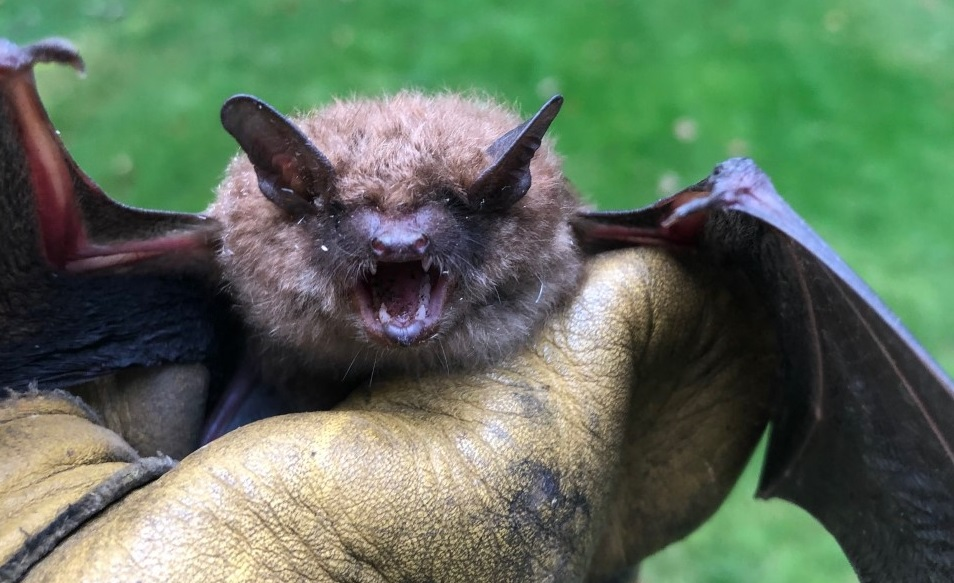
Bat Removal in Plymouth, CT
Bats are very common in Plymouth, especially in older homes, neighborhoods with mature trees, and properties near wooded edges and water sources like the Pequabuck River.
Most infestations begin along rooflines, ridge vents, soffits, and small construction gaps that are often overlooked. These entry points can be as small as 3/8 of an inch, allowing bats to move in and out without being noticed.
Two of the most common species found in Plymouth homes are little brown bats and big brown bats, and they behave differently once inside a structure.
- Little brown bats tend to form larger colonies and prefer hot attic spaces, especially during the summer months. They seek out the hottest parts of the attic—often near roof peaks and sun-exposed areas—to raise their young.
- Big brown bats are more tolerant of cooler conditions and are often found in smaller groups. They may use attics, wall voids, and even chimneys, and can sometimes be active earlier and later in the season.
Because little brown bats prefer high heat, infestations in Plymouth homes are often concentrated in the hottest sections of the attic, which can make them harder to detect early on. By the time signs like guano buildup or odor appear, a colony is usually well established.
Learn more about bat removal in Litchfield County .
- Detailed inspection to locate colony areas and all active entry points
- Installation of one-way exclusion devices (timed properly for the season)
- Guano cleanup and sanitation if buildup is present
- Full sealing of the structure to prevent re-entry
Bat removal is not just about getting them out—it’s about sealing every possible entry point. If even one gap is missed, the colony will return and reuse the same structure.
All bat work is performed in accordance with Connecticut DEEP regulations, including seasonal restrictions during maternity periods when young bats are present.
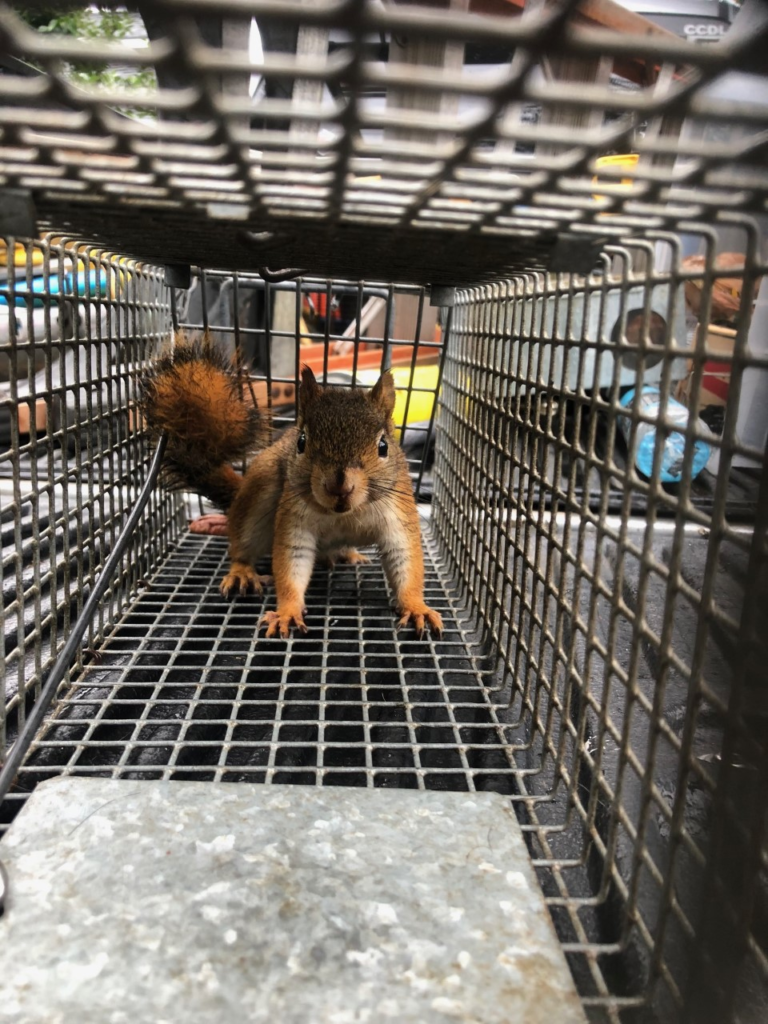
Squirrel Removal in Plymouth, CT
Squirrels frequently enter attics and wall cavities in Plymouth, especially in neighborhoods with mature trees, wooded edges, and homes with older rooflines. Entry typically occurs along soffits, roof edges, and fascia boards where materials have weakened or gaps have formed.
Most repeat squirrel problems happen when entry points are not fully identified and sealed. Even a small overlooked gap will allow squirrels to return and reestablish inside the structure.
Both gray squirrels and flying squirrels are common in Plymouth, and they behave very differently once inside a home.
- Gray squirrels are typically seen during the day and often enter attics to nest, especially in spring and fall. They can cause visible damage quickly by chewing openings larger and tearing insulation.
- Flying squirrels are a major issue in Plymouth during the winter months. They are nocturnal and often go unnoticed while forming large nesting groups—commonly 10 to 40 squirrels in a single attic or wall space.
Flying squirrels will pack into tight areas inside attics and wall cavities to stay warm, often creating ongoing noise at night and long-term contamination issues. Because they are active overnight, homeowners may hear movement but never see the animals, allowing the problem to grow.
In Plymouth homes near wooded areas or with heavy tree cover, squirrel activity is constant. Once a structure is identified as a safe nesting location, it will continue to be targeted unless properly sealed.
- Detailed inspection to locate all entry points and nesting areas
- Eviction using one-way devices or trapping when necessary
- Sealing of all openings using durable, chew-resistant materials
- Reinforcement of vulnerable areas to prevent future access
Squirrel problems do not resolve on their own. If the structure is not fully sealed, new squirrels—or the same group—will return and reuse the same entry points.
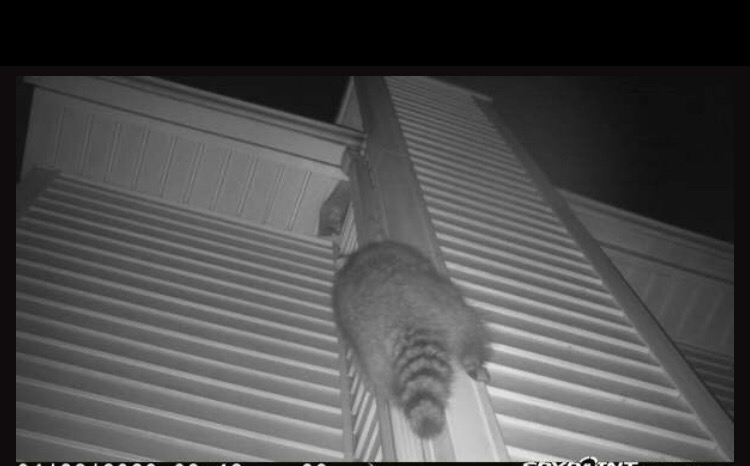
Raccoon Removal in Plymouth, CT
Raccoons are highly active in Plymouth, especially in residential neighborhoods, wooded areas, and properties near water sources like the Pequabuck River. They are one of the most common causes of attic and chimney infestations in the area.
Most break-ins occur along roof edges, soffits, ridge vents, and chimney openings. Raccoons are strong, persistent animals that can tear open weak sections of a roofline or exploit existing gaps to gain access.
Raccoons are closely related to bears and share traits with animals like the giant panda—especially their dexterity and ability to manipulate objects. This makes them particularly effective at pulling apart vents, lifting shingles, and forcing entry into structures.
In Plymouth, raccoon problems often involve female raccoons denning to raise their young. In Connecticut, litters typically range from 1 to 4 kits, usually born in the spring. Chimneys and attics provide warm, protected spaces where mothers can raise their young without disturbance.
Once a raccoon establishes a den inside a structure, it will continue using the same entry point and may return year after year if the area is not properly secured. Damage can escalate quickly, including torn roofing materials, displaced insulation, and contamination from waste.
Learn more about raccoon removal in Litchfield County .
- Inspection to locate entry points and den areas
- Humane removal of adults and young (when present)
- Repair and sealing of all damaged entry points
- Reinforcement of vulnerable roofline and chimney areas
Raccoon problems will continue unless the structure is fully secured. Simply removing the animal without sealing the entry point will result in another raccoon moving into the same space.
Woodchuck Removal in Plymouth, CT
Woodchucks are very common in Plymouth, especially around foundations, sheds, garages, decks, and stone walls. Properties with open yards, landscaped areas, and older structures provide ideal conditions for burrowing and long-term activity.
Most problems begin when a woodchuck establishes a burrow along a structure. These burrow systems often extend deep under foundations, walkways, patios, and sheds, creating hidden damage that can spread over time.
In Plymouth, woodchuck activity is especially noticeable during the spring and summer months when young woodchucks are growing rapidly. After being born, they must eat constantly to build enough fat reserves to survive hibernation. This leads to heavy feeding and aggressive digging behavior, which can quickly destroy gardens, lawns, and structural areas around the home.
Once a burrow is established, it will continue to be used and expanded. Woodchucks often maintain multiple entrances and will reuse the same locations year after year if the area is not properly addressed.
Learn more about woodchuck removal in Litchfield County .
- Inspection of burrow systems, entry points, and surrounding damage
- Humane trapping based on active travel routes and den locations
- Burrow collapse and structural reinforcement to prevent reuse
- Long-term prevention to stop future digging and return activity
Woodchuck problems will not resolve on their own. If burrows are not properly collapsed and secured, another woodchuck will move into the same area—especially in properties like those found throughout Plymouth.
Snake Removal in Plymouth, CT
Snakes are commonly found in Plymouth around stone walls, woodpiles, basements, garages, and wooded areas where they have cover and easy access to prey. Properties with older foundations, stacked stone, and nearby woods tend to see the most consistent activity.
Most snake activity is directly tied to rodent presence and structural gaps. If mice, chipmunks, or other small animals are active around a property, snakes will follow the food source and use the same entry points to access basements, crawlspaces, and other sheltered areas.
In Plymouth, one of the most commonly encountered species is the black snake (Eastern rat snake). These snakes are non-venomous but can grow large and often cause concern when found inside or around homes.
Important: Black snakes are protected under Connecticut law and cannot be relocated off the property. Proper handling focuses on safely removing them from living spaces when necessary and addressing the conditions that are attracting them.
Snake Control & Prevention
- Inspection of the property to identify entry points, hiding areas, and activity zones
- Identification of conditions attracting snakes (rodents, debris, gaps, and cover)
- Safe removal from interior spaces when necessary
- Sealing of foundation gaps, vents, and structural openings
- Recommendations to reduce rodent activity and eliminate habitat conditions
Snake problems are usually a symptom of a larger issue. If rodents and access points are not addressed, snakes will continue returning to the same areas—especially in properties throughout Plymouth with stone walls, wooded edges, and natural cover.
Opossum Removal in Plymouth, CT
Opossums often shelter under decks, sheds, porches, crawlspaces, and other low-access areas around Plymouth homes. These spaces provide dark, quiet cover where they can den without being easily noticed.
Opossums are known for getting into unusual and hard-to-reach situations. It’s not uncommon to find them inside window wells, stuck in garages, under bulkhead stairs, inside crawlspaces, or wedged into tight areas around foundations and additions.
In Plymouth, many homes have multiple low-clearance areas and older construction gaps, which makes it easy for opossums to get underneath structures and stay hidden. Once they establish a den site, they will continue using the same location unless it is properly addressed and sealed.
Opossums are generally non-aggressive, but they can create problems when living close to structures, including odor, contamination, and disturbance under decks or floors. They are also scavengers and are often attracted to pet food, garbage, and other easy food sources around the property.
- Inspection of den areas and hidden access points
- Humane trapping and removal
- Exclusion and sealing of entry points
- Recommendations to eliminate attractants and prevent return
Opossum problems won’t resolve on their own. If the entry point under a deck or structure is left open, another animal will move into the same spot—especially in residential areas throughout Plymouth.
Wildlife Removal in Plymouth, CT – Frequently Asked Questions
What wildlife problems are most common in Plymouth homes?
In Plymouth, the most common issues involve bats in attics, squirrels in walls, raccoons in chimneys, and skunks under decks. Homes near wooded areas, stone walls, and water sources tend to see the most consistent activity.
Why do wildlife problems keep coming back?
Most repeat problems happen because entry points were not fully sealed. Animals will return to the same structure if even a small gap is left open or repaired with materials they can break through.
What are the signs of an animal in the attic?
Common signs include scratching or movement noises, especially at night (flying squirrels) or early morning (gray squirrels), droppings, strong odors, and visible damage near rooflines or soffits.
Are bats dangerous to have in the house?
Bats are not aggressive, but they can pose health risks due to guano buildup and potential rabies exposure. If a bat is found in a living space, especially a bedroom, it should be handled carefully and not released.
When is the best time to remove bats?
Bat removal depends on the season. During summer, exclusion is restricted due to maternity colonies. Proper timing is critical to ensure all bats can exit safely without trapping young inside.
Do squirrels leave on their own?
No. Once squirrels establish a nesting area, they will stay and continue using the structure. Without proper removal and sealing, the problem will continue or grow.
Why are there snakes around my house?
Snakes are usually there because of a food source. If rodents like mice or chipmunks are present, snakes will follow and use the same access points to get into basements, crawlspaces, and other areas.
How do animals get under decks and sheds?
Animals use gaps along the edges or dig underneath structures. Once access is created, it becomes a reliable den site that will be reused unless properly sealed.
Do you remove baby animals too?
Yes. In cases like raccoons or squirrels, young are often present during certain times of the year. Proper removal includes addressing both the adult and the young to fully resolve the problem.
Fun Fact: Do flying squirrels really glow?
Yes — flying squirrels actually glow bright pink under ultraviolet (blacklight) conditions. This was discovered relatively recently and is thought to help with communication or camouflage at night.
Fun Fact: Why do opossums end up in strange places?
Opossums are opportunistic and will explore tight, dark spaces looking for shelter. This often leads them into unusual spots like window wells, garages, or crawlspaces where they become stuck or establish a den.
