
Wildlife problems spread fast in older homes, wooded neighborhoods, and properties near water.
Call or text
860-318-1778
for fast, professional wildlife removal.
Watertown, with its mix of residential neighborhoods, wooded edges, older homes, and commercial corridors, sees steady wildlife pressure throughout the year. The most common issues include bats in attics, skunks under decks and sheds, raccoons in chimneys and rooflines, squirrels in soffits and eaves, woodchucks burrowing along foundations, snakes around stone walls and basements, and opossums sheltering beneath porches and crawlspaces.
Wildlife activity is especially consistent in Watertown’s older neighborhoods and tree-lined sections. Homes with aging rooflines, open soffits, foundation gaps, and nearby overgrowth create ideal conditions for animals to enter, nest, and return.
On larger lots and properties near wooded edges, the issue often becomes more than a single animal problem. A property may have attic activity, burrow damage, and denning under a structure at the same time, which makes a full inspection and exclusion plan essential.
One homeowner heard movement in the chimney after dark and assumed it was a single raccoon. The actual issue was a raccoon with young using the chimney as a den site, with the roofline and nearby soffit openings providing secondary access. That kind of problem is common in Watertown because older homes often have several vulnerable entry points at once.
Why Professional Wildlife Removal Matters in Watertown
- Built for older homes and wooded neighborhoods — common wildlife pressure on roofs, attics, and crawlspaces
- Proper exclusion methods — durable materials that animals cannot chew through or reopen
- Humane and compliant — follows Connecticut DEEP regulations and nuisance wildlife rules
- Long-term solutions — focused on prevention, not temporary fixes
- Experience with mixed-property layouts — homes, outbuildings, and commercial edges all create entry risks
Important: Most repeat wildlife problems happen when one opening is sealed but the rest of the structure is left vulnerable.
Common Wildlife Removal Mistakes in Watertown
- Sealing holes before animals are removed
- Using foam or weak materials that animals reopen
- Missing secondary entry points along rooflines and foundations
- Trapping without sealing the structure afterward
- Ignoring attractants like food, nesting cover, or rodents
These mistakes are especially common in neighborhoods with mature trees, older construction, and detached garages, sheds, or additions.
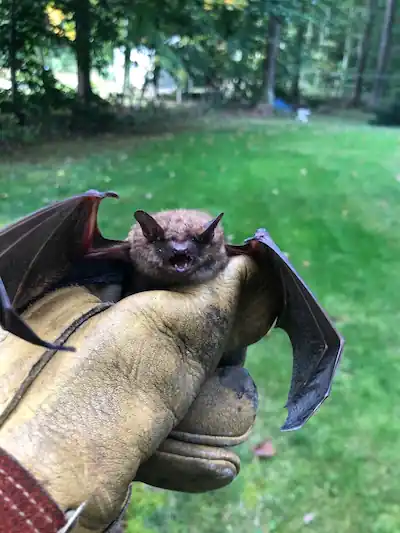
Bat Removal in Watertown, CT
Bats are common in Watertown, especially in older homes and wooded areas where roofline wear creates easy attic access. They often use ridge vents, soffits, dormers, and flashing gaps to enter attics without being noticed.
Most bat problems occur along ridge vents, soffits, and roofline gaps. Even a very small opening can be enough for a colony to enter, roost, and spread guano through the attic area.
Issues often go unnoticed until guano buildup, odor, or noise develops. By then, the colony may have been using the structure for a while, which makes proper exclusion and cleanup much more important.
Learn more about bat removal in Litchfield County.
- Inspection for colonies and entry points
- Seasonal exclusion using one-way devices
- Guano cleanup and attic sanitation as needed
- Full structure sealing and prevention
Bat exclusion is the only long-term solution. If the roofline is not fully sealed after the colony leaves, bats usually return to the same weak point or another nearby gap.
All work follows Connecticut DEEP regulations.
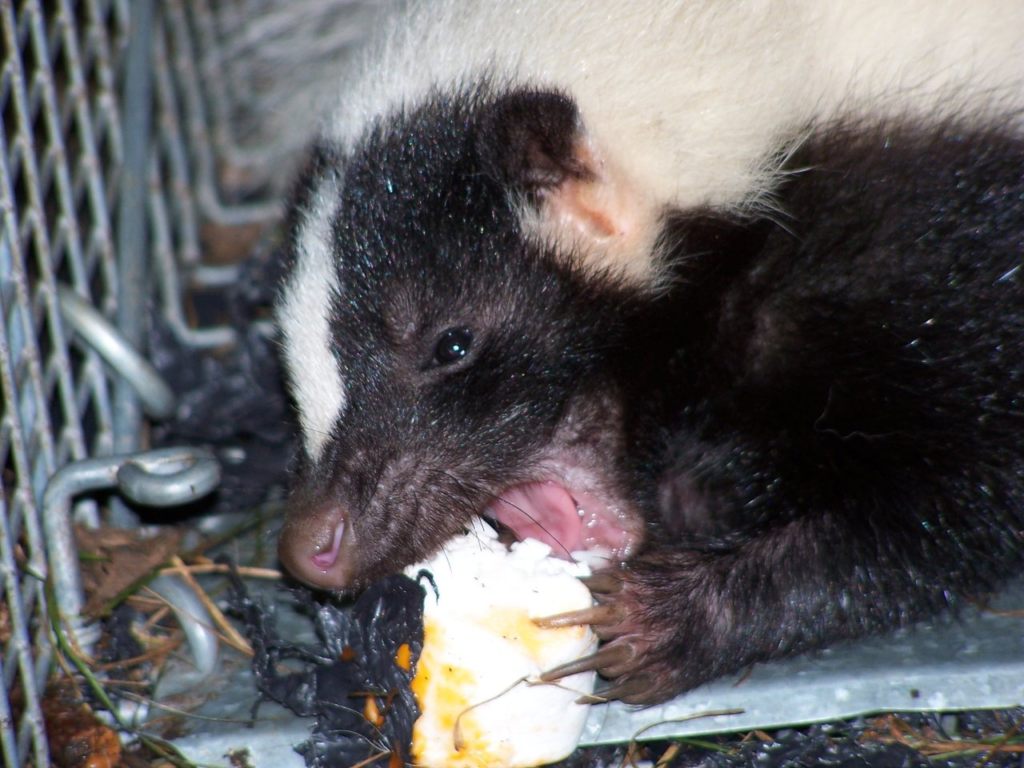
Common Skunk Problems in Watertown, CT
- Strong odor around decks, porches, and crawlspaces
- Lawn damage from digging up grubs and insects
- Burrows under sheds, stairs, and foundations
- Risk of spraying if approached or pets get too close
- Potential exposure to rabies and other diseases
In Watertown, skunks are common in both residential neighborhoods and wooded edges. Many problems aren’t noticed until the smell becomes obvious or yard damage appears, and by then a den is usually already active.
For a full breakdown of trapping, removal, and long-term prevention, visit our
Litchfield County skunk removal and exclusion services.
Skunk Removal & Exclusion
- Inspection to locate active den areas and entry points
- Humane trapping set along travel routes and den openings
- Safe removal in accordance with Connecticut regulations
- Sealing and reinforcement to prevent re-entry
- Recommendations to reduce attractants and future issues
Skunks won’t leave on their own. If the den isn’t properly removed and sealed, another skunk will move right back into the same spot — especially in areas like Watertown.
Common throughout wooded neighborhoods, older homes, and properties near water.
Call or text
860-318-1778
for professional removal and long-term exclusion.
Squirrel Removal in Watertown, CT
Squirrels frequently enter attics in Watertown, especially where mature trees overhang the roofline and give them direct access to soffits, vents, and fascia gaps. Once inside, they chew, nest, and widen the opening until the problem becomes much more expensive to fix.
Both gray and flying squirrels are common in this area. Flying squirrels can be especially difficult to detect because they are active at night and often remain hidden until damage or noise makes the issue obvious.
Most repeat problems occur when entry points are not fully sealed. If even one weak spot remains open, squirrels will usually test it again and continue using the attic.
Learn more about squirrel removal and exclusion in Connecticut.
- Inspection for entry points and nesting activity
- Eviction using one-way doors or trapping
- Sealing with proper materials
- Long-term prevention and tree-access reduction
Effective squirrel removal in Watertown means fixing the roofline, not just removing the animal. Without durable exclusion, squirrels can return to the same access point or shift to another opening nearby.
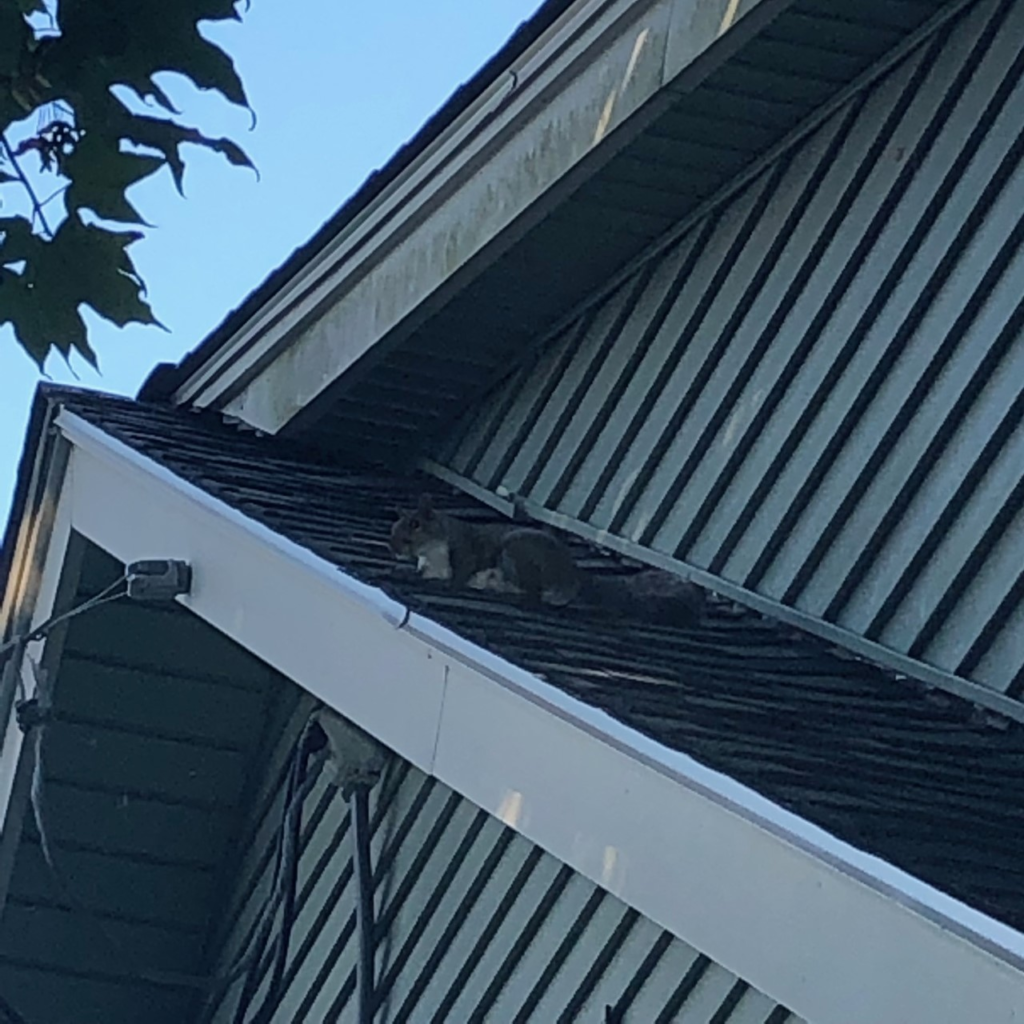
Raccoon Removal in Watertown, CT
Raccoons are highly active in Watertown, especially in residential neighborhoods with aging chimneys, open soffits, and easy roof access. They are powerful climbers and often use the highest, weakest points of a home to enter attics or chimney spaces.
Most break-ins occur along roof edges, soffits, and chimney areas. Raccoons can bend materials, widen small gaps, and force entry where other animals cannot.
It’s common for raccoons to use chimneys and attics to raise young, which makes the problem more urgent and more complicated. If a young family is involved, the site usually needs a careful removal plan followed by full repair.
Missing even one entry point can lead to repeat problems. Raccoons are persistent, and a home with multiple weak spots can keep drawing them back.
Learn more about raccoon removal in Litchfield County.
- Inspection for den sites and entry points
- Humane trapping and eviction
- Sealing and repair of damage
- Prevention for long-term control
Proper raccoon removal in Watertown requires more than trapping alone. The structure has to be repaired and sealed with durable materials so the animal cannot return and so the same opening is not used again.
Woodchuck Removal in Watertown, CT
Woodchucks are common around foundations, sheds, stone walls, and landscaped areas where they can burrow out of sight. In Watertown, they can create damage quickly in yards, especially where soil is soft and brush gives them cover.
Woodchuck burrows can undermine soil and create serious damage near structures. What starts as a small hole can turn into a larger tunnel system that weakens landscaping and causes repeat digging in the same area.
These burrows are especially frustrating because they often get deeper and wider as the animal stays active. If the den isn’t addressed, the property can end up with multiple openings and ongoing excavation damage.
Learn more about woodchuck removal in Litchfield County.
- Inspection of burrows and affected areas
- Humane trapping
- Burrow collapse and reinforcement
- Prevention to stop repeat digging
Woodchuck control works best when the burrow, the soil disturbance, and the attractants are addressed together.
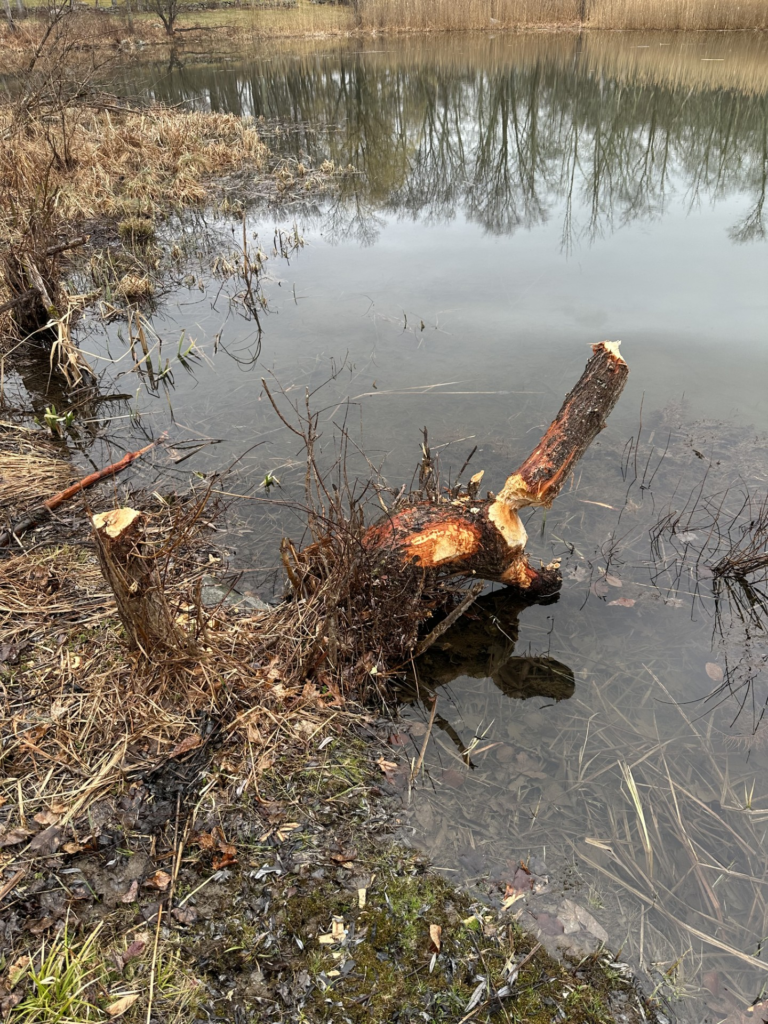
Trees were heavily damaged by active beavers while the homeowners were away for an extended period. Once established, beavers can quickly cut down multiple trees and expand damage along the waterline in a short amount of time.
Beaver Trapping in Watertown, CT
Beavers are active in Watertown, especially near streams, wetlands, and low-lying wooded areas where water access allows dam building and flooding. Even small drainage areas can become a problem once a beaver colony starts altering the flow.
Beaver activity can lead to flooding, tree damage, and drainage problems if not addressed. Dams can back water up against roads, culverts, and yards while chewing damage spreads to nearby trees and shoreline areas.
Beaver control is rarely a simple trap-and-go job. The site has to be evaluated for water movement, travel routes, and dam behavior before any effective removal plan can be set up.
Learn more about beaver removal in Litchfield County.
- Inspection of active areas and travel routes
- Strategic trap placement based on site conditions
- Removal in accordance with Connecticut regulations
- Recommendations to reduce repeat activity
Proper setup is critical—incorrect trapping attempts often fail. Beaver work depends on reading the water, the dam structure, and the movement patterns correctly from the start.
Snake Removal in Watertown, CT
Snakes are commonly found around stone walls, woodpiles, basements, and wooded areas where they can stay cool, hidden, and close to food sources. In Watertown, they often appear where rodent activity is already present or where small openings offer access to shelter.
Most are non-venomous but still a concern indoors. Even harmless species can create panic when they show up near living space, crawlspaces, or basement areas.
Snake activity is often tied to rodent presence and structural gaps. If the property has food, cover, and entry points, snakes can keep returning until those conditions are fixed.
- Inspection to locate access points
- Safe removal when necessary
- Sealing of gaps and openings
- Habitat reduction recommendations
Snake control works best when the property is made less attractive long term. Removing the snake is only part of the solution if the underlying shelter and food sources remain in place.
Opossum Removal in Watertown, CT
Opossums commonly shelter under decks, sheds, porches, and crawlspaces where they can stay protected from weather and predators. In Watertown, these low-access areas are common on both older homes and properties with open or unfinished understructure.
Most issues occur in low-access areas around structures. Opossums often use quiet, hidden spaces that are easy to overlook until odor, droppings, or night activity makes the problem obvious.
They are generally less destructive than some other wildlife, but they still create nuisance conditions when they move in close to the home. Removal and sealing need to happen together to keep the same space from being reused.
- Inspection of den areas
- Humane trapping
- Exclusion and sealing
- Prevention to stop return activity
Effective opossum control in Watertown means closing the space, not just moving the animal.
Local Emergency & Health Contacts in Watertown
If you have an animal bite or possible rabies exposure, contact your local health department or 911 immediately.
- Watertown Animal Control
- Connecticut DPH Rabies Program – (860) 509-7994
Important: If a bat is found in a room where someone was sleeping, it should be captured and tested — do not release it.
Call or text Housatonic Valley Wildlife Control at 860-318-1778 for wildlife removal in Watertown.
Wildlife Removal Near Watertown, CT
- Bat Removal Thomaston
- Raccoon Removal Plymouth
- Wildlife Removal Woodbury
- Skunk Removal Bethlehem
- Waterbury
From attic infestations to burrowing and flooding issues, wildlife problems in Watertown don’t go away on their own.
Call or text now for inspection and removal:
860-318-1778
